
Innovative Pain Therapy Arrives in Ravenna Thanks to Fondazione Lucè Donation
A New Hope for Chronic Pain Sufferers
On March 31, 2025, a ceremony marked a significant step forward in chronic pain management in Ravenna, Italy.Fondazione Lucè donated a Scrambler Therapy device to the U.O. Terapia Antalgica Romagna (Pain Management Unit of Romagna) at the S. Maria delle Croci Hospital. This donation, spearheaded by Dr. Massimo Innamorato, director of the pain Management Unit, promises to bring relief to countless individuals battling persistent pain.
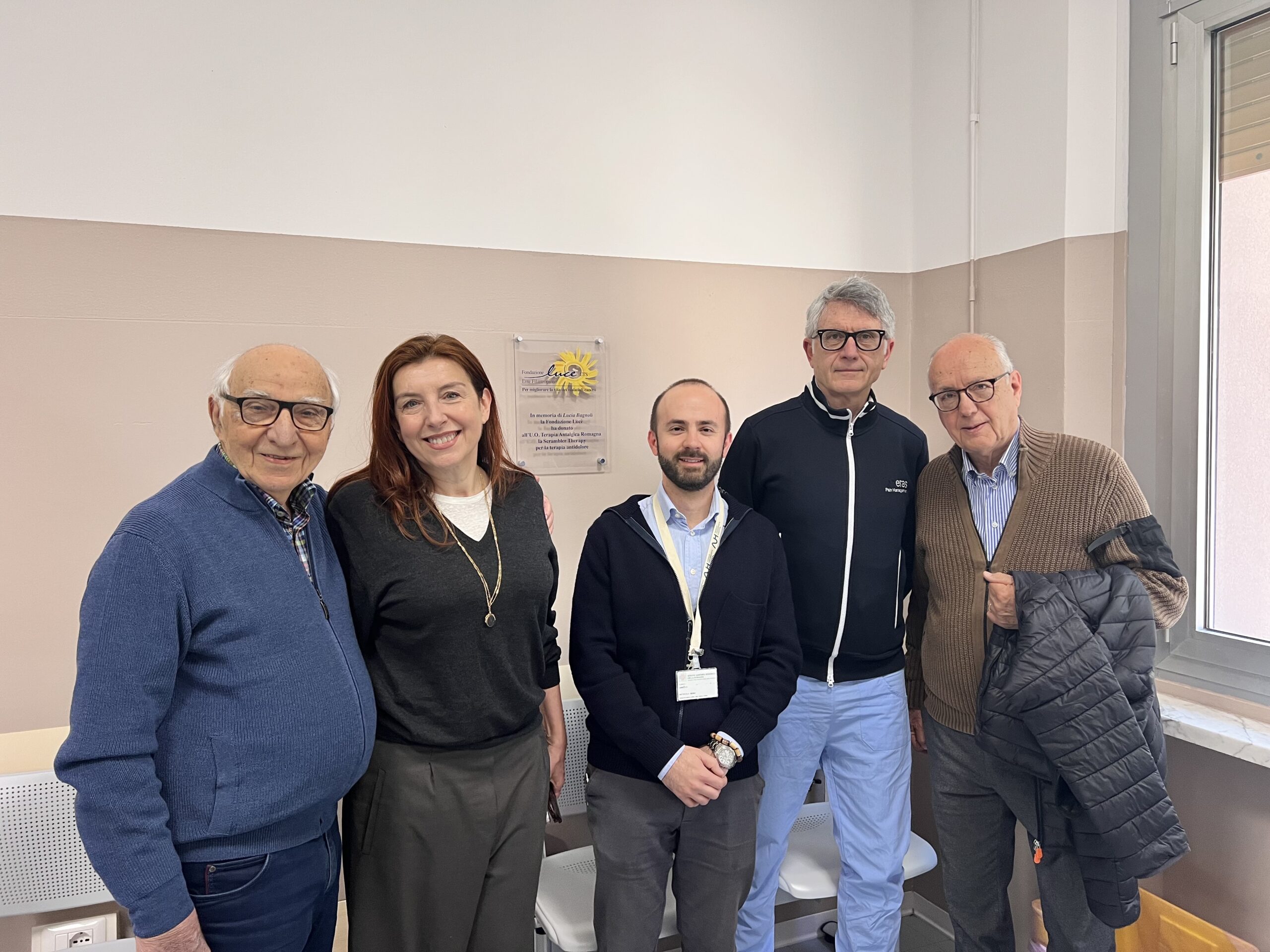
The event was attended by key figures including Dr. Massimo Innamorato, Umberto Carioli, a physician from the Presidio Directorate, Laura ruocco, president of Fondazione Lucè, and Atos Bagnoli, the foundation’s vice president.
For Americans grappling with chronic pain, this news from Ravenna offers a glimpse into innovative therapies gaining traction worldwide. Chronic pain affects an estimated 20% of U.S. adults, costing the nation billions in healthcare expenses and lost productivity. The introduction of Scrambler Therapy in Ravenna highlights the global effort to find effective, non-invasive solutions for this widespread issue.
Fondazione Lucè: A Legacy of Support
Fondazione Lucè has a long-standing commitment to supporting the Ausl (Local Health Authority) in Ravenna. Their previous contributions include implementing a rapid-response nursing service for homebound patients and donating an ultrasound machine to the breast cancer screening center. This latest donation of the Scrambler Therapy device underscores their dedication to improving patient care and access to cutting-edge treatments.
In the U.S., philanthropic organizations play a vital role in healthcare, often bridging the gap between research, innovation, and patient access. Foundations like Fondazione Lucè serve as a model for how community-based organizations can make a tangible difference in the lives of those in need.
Understanding Scrambler Therapy: A Non-invasive Approach to Pain Relief
Scrambler Therapy is an innovative treatment designed to alleviate chronic pain, particularly neuropathic pain resulting from nerve damage. The therapy utilizes a device that delivers painless electrical signals through the skin. The goal is to “scramble” the pain signals being sent to the brain, effectively interrupting the pain pathway.
This approach is particularly relevant in the U.S., where the opioid crisis has highlighted the urgent need for non-pharmacological pain management strategies. Scrambler Therapy offers a potential option or adjunct treatment for individuals seeking to reduce their reliance on pain medications.
Benefits of Scrambler Therapy:
- Treatment of chronic pain conditions, including neuropathies, back pain, post-operative pain, and fibromyalgia.
- Potential reduction in the use of pain medications and associated side effects.
Conditions Commonly Treated with scrambler Therapy:
- Neuropathic pain (e.g., post-herpetic neuralgia, diabetic neuropathy)
- Post-operative or post-traumatic pain
- Fibromyalgia
- Chronic muscle and joint pain
typically, Scrambler Therapy involves a series of sessions, ranging from 10 to 20, depending on the severity of the pain and the patient’s response. It’s crucial to note that this therapy isn’t suitable for all types of pain, and a thorough medical evaluation is necessary before starting treatment.
in the U.S., pain management clinics are increasingly exploring alternative therapies like Scrambler Therapy to provide comprehensive care to patients. The availability of such treatments can significantly improve the quality of life for individuals struggling with chronic pain.
A Personal Connection: The Legacy of Lucia bagnoli
Laura Ruocco, president of Fondazione Lucè, shared a poignant perspective on the foundation’s mission: “There are events in life that, although dramatic, give you the prospect to see the world through different lenses and to feel responsible for putting the usefulness born from the lived experience at the service of others.”
She continued, “This is who we are, Fondazione Lucè, treasuring the experience of Lucia Bagnoli, a 40-year-old young woman who died of breast cancer, strives to improve the quality of life of cancer patients. Scrambler Therapy is part of one of our projects, and it’s move from Villa Adalgisa to the U.O. Pain Therapy in Ravenna is precisely the presentation of its effectiveness and the desire to make it available to as many citizens as possible. Doing our part: this is the meaning, reinforced by the importance of a past and constant dialog with the public structure and with the commitment to work together in the interest of patients.”
This personal connection underscores the foundation’s commitment to providing compassionate care and innovative solutions for those affected by cancer and chronic pain. In the U.S., many charitable organizations are driven by similar personal experiences, channeling grief and loss into meaningful action.
Expanding Pain Management Capabilities in Ravenna
Dr. Massimo Innamorato, director of the U.O.Terapia Antalgica Romagna, expressed his gratitude for the donation: “The Pain Management Unit of Ravenna will begin to use scrambler Therapy thanks to the generous donation of the Fondazione Lucè, and the possibility of using advanced equipment in the management of chronic pain will increase the potential of the center.”
The introduction of Scrambler Therapy represents a significant enhancement of the pain management capabilities in Ravenna, offering patients access to a cutting-edge treatment option. this development mirrors the ongoing efforts in the U.S. to expand access to comprehensive pain management services, including both traditional and alternative therapies.
Scrambler Therapy: A Closer Look at the Science
Scrambler Therapy, also known as Calmare Therapy, operates on the principle of “non-painful facts theory.” The device delivers synthetic “non-pain” signals to the brain via cutaneous electrodes. These signals are designed to replace the body’s existing pain signals, effectively rewriting the neural pathways associated with pain perception.
While the exact mechanisms of action are still being investigated, research suggests that Scrambler Therapy can lead to a significant reduction in pain levels and improved quality of life for patients with chronic pain conditions. A 2009 study published in the Journal of Pain and symptom Management found that Scrambler Therapy resulted in a clinically significant reduction in pain intensity in patients with chemotherapy-induced peripheral neuropathy.
However, it’s crucial to acknowledge that Scrambler Therapy is not a one-size-fits-all solution. The effectiveness of the therapy can vary depending on the individual patient, the underlying cause of the pain, and other factors. Further research is needed to fully understand the long-term benefits and optimal applications of Scrambler Therapy.
The Future of Pain Management: A Global perspective
The donation of the Scrambler Therapy device to the hospital in Ravenna highlights the growing global interest in innovative pain management strategies. As the U.S. continues to grapple with the challenges of chronic pain and the opioid crisis, it’s essential to stay informed about advancements in pain management happening around the world.
by embracing a multidisciplinary approach that incorporates both traditional and alternative therapies, healthcare providers can offer patients more personalized and effective pain relief. Scrambler Therapy represents one promising tool in the fight against chronic pain, offering hope for a future where individuals can live fuller, more active lives, free from the burden of persistent pain.
Scrambler Therapy: Rewriting Pain Pathways and Offering New Hope for Chronic Pain Sufferers
Senior Editor, World-Today-News.com: Welcome, Dr.Anya Sharma. We’re thrilled to have you with us today.Chronic pain affects millions,and the news from ravenna about the introduction of Scrambler therapy is generating a lot of interest. To start, could you share a surprising fact about chronic pain that might shock our readers?
Dr. anya Sharma, Pain Management Specialist: Absolutely. Did you know that chronic pain is often undertreated, leading to meaningful impacts on quality of life, and is more prevalent than diabetes, heart disease, and cancer combined? It’s a pervasive problem with deep and far-reaching consequences.
Understanding Scrambler Therapy
Senior Editor: Let’s dive into Scrambler Therapy. For those unfamiliar, could you explain in simple terms how this treatment works and what makes it different from traditional pain management approaches?
Dr. Anya Sharma: Scrambler Therapy is an innovative, non-invasive treatment that uses a device to deliver painless electrical signals through the skin. The core idea is to “rewrite” the pain signals being sent to the brain. The device doesn’t mask the pain; rather, it helps the brain interpret the pain differently. Unlike many traditional methods relying on medications,Scrambler Therapy works by interacting directly with the nervous system. It’s a form of neuromodulation that can be used on its own or alongside treatments like physical therapy or medication.
Senior Editor: The article mentions the opioid crisis in the U.S. and the need for non-pharmacological solutions. How does Scrambler Therapy fit into addressing the opioid crisis?
Dr. Anya Sharma: Scrambler Therapy offers a crucial non-pharmacological alternative. Many patients rely on opioids for pain management,which can lead to addiction and other issues.Scrambler Therapy provides a potential option for individuals seeking to reduce their reliance on pain medications, reducing the risk of adverse effects and improving long-term health. It can also be useful for those who haven’t found relief with traditional treatments.
Benefits and Applications
Senior Editor: What specific types of chronic pain conditions can Scrambler Therapy help with?
Dr. Anya Sharma: Scrambler Therapy is versatile and can be applied to various chronic pain conditions. These include:
Neuropathic pain: Nerve damage-related pain conditions like post-herpetic neuralgia (shingles pain), diabetic neuropathy, and nerve injuries.
Post-operative or Post-traumatic pain: Pain following surgery or injury.
Fibromyalgia: A chronic widespread pain condition that causes fatigue and sleep disturbances.
Chronic muscle and joint pain: Persistent pain in muscles and joints that can result from myriad factors.
Senior Editor: The article notes that Scrambler Therapy isn’t a “one-size-fits-all” solution. What factors influence the effectiveness of Scrambler Therapy, and who might be the best candidates for this therapy?
Dr. Anya Sharma: You’re right; individual responses vary. The effectiveness of Scrambler Therapy is influenced by several factors, including:
The underlying cause of the pain: Identifying the root cause is crucial.
The duration of the pain: Patients with chronic pain of shorter duration might respond better.
The patient’s overall health and medical history: Other health issues and medications can affect outcomes.
Individual Pain Sensitivity: Each person will have a different sensory profile and perception of pain.
It’s best suited for individuals with neuropathic pain, post-operative pain, or those looking for alternatives to traditional pain treatments, and the best candidates are those who receive a thorough medical evaluation.
The Role of Philanthropy and the Future of Pain Management
Senior Editor: The news from Ravenna highlights the role of organizations like Fondazione Lucè in supporting healthcare. How do philanthropic donations impact advancements in pain management, and what is the model for effective community support?
Dr. Anya Sharma: Philanthropy plays a vital role, especially in funding innovative treatments and research, bridging the gap between advancements and access. Organizations like Fondazione Lucè demonstrate how community-based groups can significantly improve patient care and accelerate treatment access. They often focus on specific underserved or under-resourced areas,allowing patients to seek better care without financial burdens or long commutes; that is essential.
Senior Editor: What are your thoughts on the future of pain management and how therapies, such as Scrambler Therapy, fit into this evolving landscape?
dr. Anya Sharma: The future of pain management holds the promise of a more holistic and personalized approach.We are seeing more and more integration of non-pharmacological treatments like Scrambler Therapy. A multidisciplinary approach, using the various pain interventions and specialists—physicians, physical therapists, psychologists—is crucial. Advancements will continue to improve the quality of life for individuals struggling with chronic pain, allowing them to live more active and engaged lives.
Senior Editor: Dr. sharma,this has been incredibly informative. thank you for sharing your expertise with us. Our readers will undoubtedly benefit from your insights into Scrambler Therapy.
Dr. anya Sharma: Thank you for having me. It’s vital to share facts about options for overcoming pain so more people can benefit.
Senior Editor, world-Today-News.com: we encourage our readers to share their thoughts and experiences in the comments below, and to consider discussing Scrambler Therapy with their healthcare providers if they are experiencing chronic pain. This is an area of ongoing research, and the collective wisdom of our community is invaluable.
