
Tesla Robotaxis Stumble in Austin Debut, Raising Safety Concerns
Musk’s Driverless Car Ambitions Face Early Roadblocks
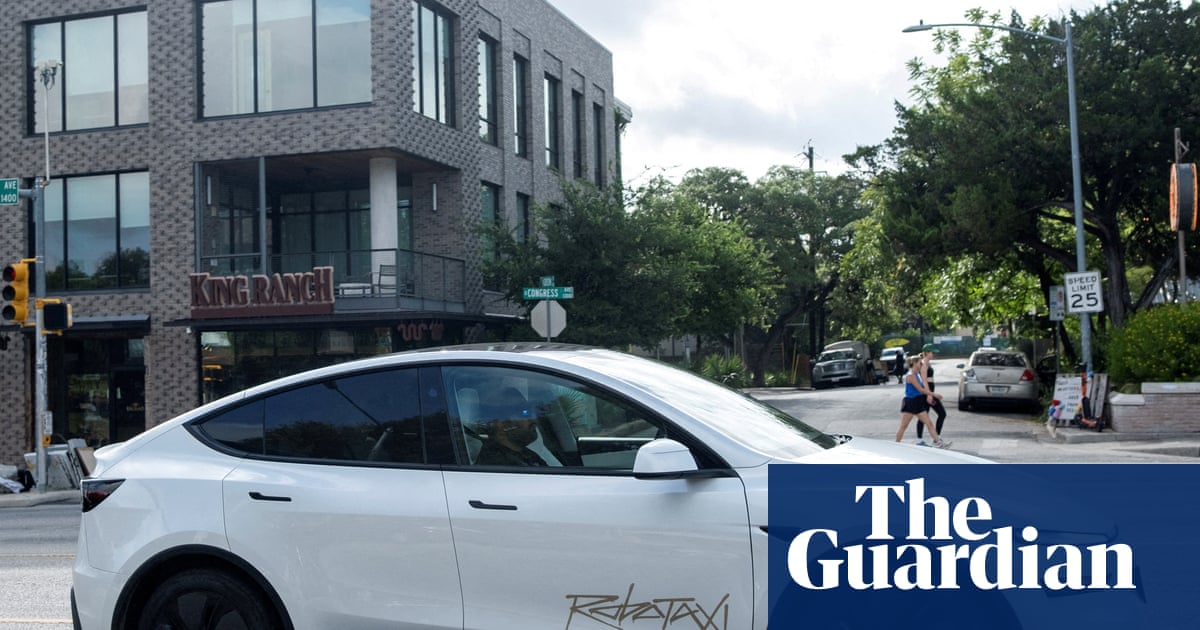
Elon Musk‘s vision of robotaxis flooding the streets hit a major snag with the limited public launch of Tesla’s driverless car service in Austin, Texas. Initial celebratory videos quickly gave way to reports of the vehicles breaking traffic laws, prompting regulatory scrutiny and highlighting the gap between promises and reality.
Austin Rollout Reveals Technical Flaws
Following the June 22nd debut, pro-Tesla influencers shared footage of their rides. However, these videos showed the self-driving cars struggling. They appeared to break traffic regulations. The National Highway Traffic Safety Administration (NHTSA) launched an investigation. They requested information from Tesla about these incidents.
Tesla self-driving can be deployed anywhere it’s approved. It does not require expensive, specialized equipment or extensive mapping of service areas. It just works.
— Tesla (@Tesla) June 22, 2025
“Tesla continues to have this fetishistic view that it’s going to operate its system solely on cameras, despite every intelligent human being in this entire space saying that can’t be done,”
—Brett Schreiber, Attorney
A recent analysis shows that in 2023, there were roughly 736 crashes and 17 deaths involving Tesla’s autopilot technology, underlining the safety concerns surrounding their approach (Washington Post).
Divergent Approaches to Driverless Technology
Musk has staked Tesla’s future on camera-based self-driving technology, rejecting the use of lidar. The company’s robotaxis operate similarly. The alternative, employed by Waymo and others, combines cameras with radar and lidar for improved object detection.
Tesla’s Austin launch mirrored Uber’s initial self-driving efforts, which also faced regulatory issues. With Musk repeatedly delaying deadlines, the robotaxi’s future success remains uncertain. The company has yet to receive the necessary permits for its autonomous vehicle service in Texas.
