
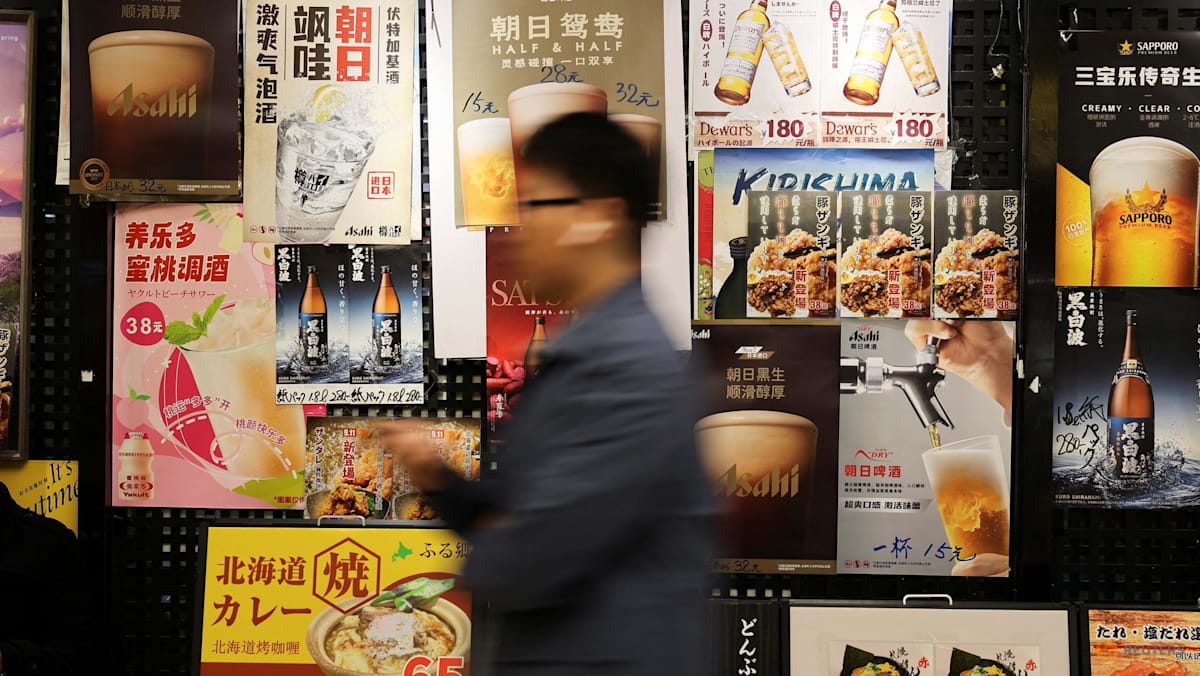
Japanese restaurant Owners in China Lament Renewed Diplomatic Tensions
Table of Contents
Published november 21, 2024
SHANGHAI – Takashi Ito, proprietor of the merase Japanese seafood restaurant in Shanghai, experienced a swift reversal of fortune this week. Hopes buoyed by China’s recent lifting of a ban on Japanese seafood imports were dashed as diplomatic relations between Beijing and Tokyo rapidly deteriorated.
Escalating Tensions Over Taiwan
The renewed friction stems from recent statements made by Japan‘s new Prime Minister, Sanae Takaichi. Prime minister Takaichi indicated that a Chinese military action against Taiwan, perceived as a threat to Japan’s national security, could warrant a military response from Japan.
China views Taiwan as a renegade province and has consistently opposed any external interference in what it considers an internal matter. The Prime Minister’s comments triggered a strong reaction from Beijing.
Economic Fallout: Seafood Ban and Travel Boycott
In response to Takaichi’s statements, China has reinstated its ban on all imports of Japanese marine products. Furthermore, a de facto boycott of travel to Japan has been initiated, and numerous planned meetings and cultural exchanges have been cancelled.
Impact on Businesses Like Merase
The escalating tensions are directly impacting Japanese businesses operating in China. “Every time a major incident like this happens, we are in great pain because our hearts rise and fall as the relationship between Japan and China rattles every time. It’s very painful,” Ito explained to Reuters.
On Wednesday, November 19th, Merase experienced a noticeable increase in cancellations, though the reasons provided by customers were not explicitly stated.Chinese patrons typically comprise approximately 50% of the restaurant’s clientele.
“Every time a major incident like this happens, we are in great pain because our hearts rise and fall as the relationship between Japan and China rattles every time. It’s very painful.”
Takashi Ito, Owner of Merase Restaurant
The situation remains fluid, and the long-term economic and diplomatic consequences are yet to be fully understood. The impact on businesses reliant on cross-border relations, like Merase, highlights the vulnerability of economic ties to geopolitical shifts.
