
japan’s nikkei Soars to Record High Following LDP Leadership Vote
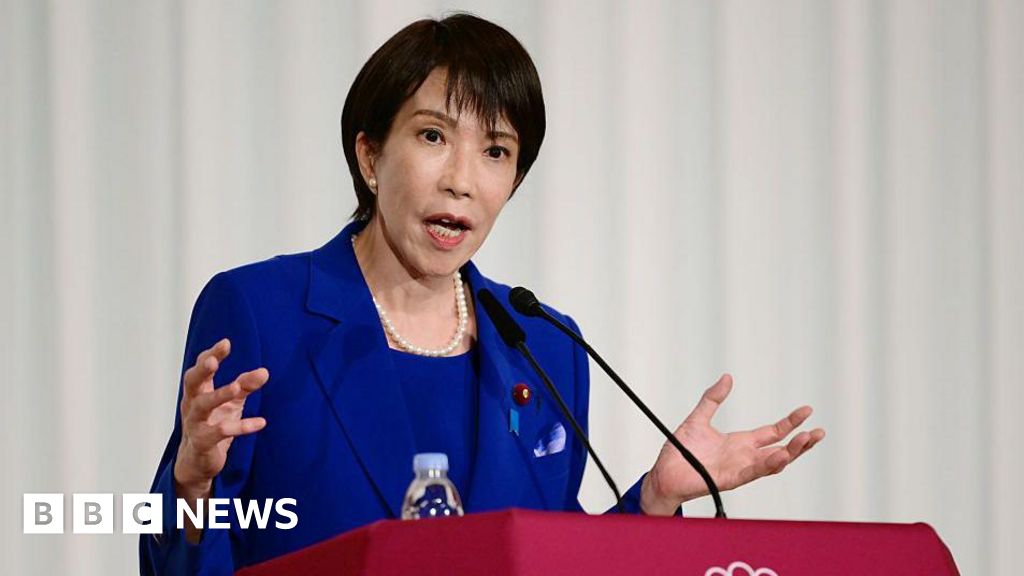
tokyo, Japan – Japanese stocks surged to an all-time high on Monday afternoon, with the benchmark Nikkei 225 index surpassing 48,000 for the first time, after the ruling Liberal Democratic Party (LDP) elected Sanae Takaichi as its new leader. The rally signals investor confidence in the pro-business politician, widely expected to become Japan’s next prime minister.
Takaichi’s victory has been met with enthusiasm in the markets, with shares rising across key sectors including real estate, technology, and heavy industry. The gains reflect expectations that Takaichi will pursue policies favoring increased government spending and lower borrowing costs, echoing the “Abenomics” approach championed by her mentor, the late Prime Minister Shinzo Abe. However, the positive market reaction was accompanied by a weakening of the yen, wich hit a record low against the euro and dropped 1.7% against the US dollar.
A long-time advocate for free market economics and a noted admirer of former UK Prime Minister Margaret Thatcher, Takaichi has held senior government positions including minister for economic security and internal affairs.Analysts suggest her proposed economic stimulus measures, while potentially beneficial for businesses, could exacerbate Japan’s existing debt and further depreciate the yen.
“Monday’s market response was largely a ‘knee-jerk reaction’ to the potential appointment of Takaichi as prime minister,” explained Japan economist Jesper Koll to the BBC.He added that Takaichi will likely prioritize negotiating a new trade agreement with US president Donald Trump, anticipated to visit Japan later this month, with the goal of strengthening the yen.
if confirmed later this month as the successor to Shigeru Ishiba, Takaichi will make history as Japan’s first female prime minister. She will inherit a challenging economic landscape, including a sluggish economy and households struggling with rising costs and stagnant wage growth, alongside navigating the complexities of the US-Japan relationship and existing trade agreements.
