
Soldiers Detail Controversial Tactics and Moral Distress in Gaza Conflict
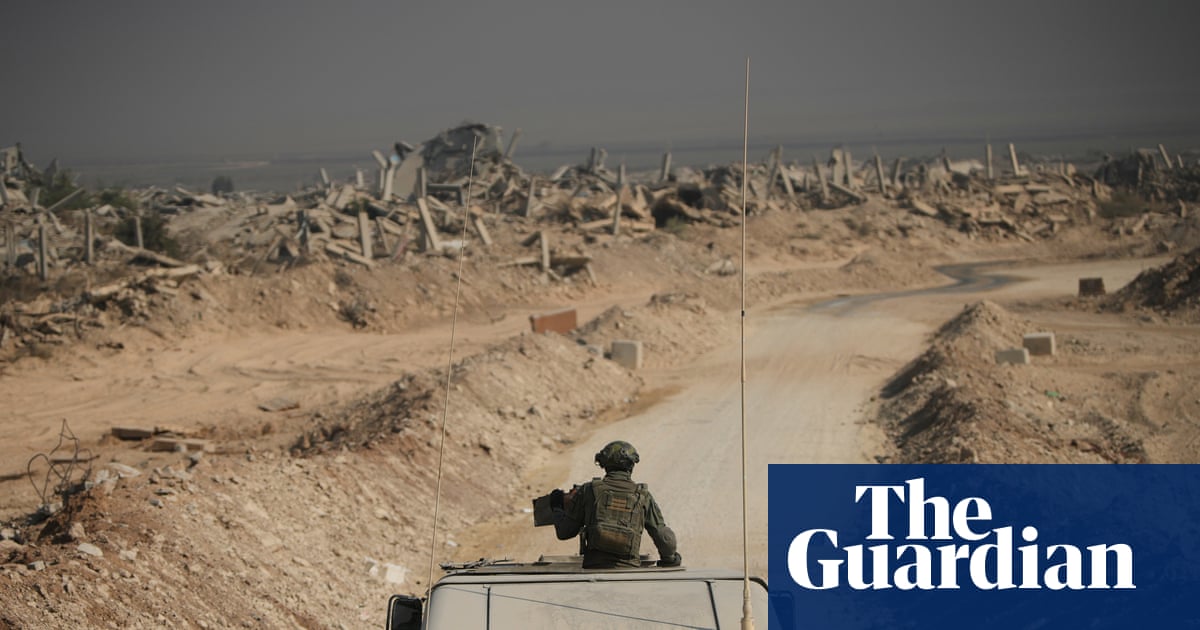
A new documentary, “Breaking ranks: Inside Israel’s War,” features Israeli soldiers detailing practices employed during the two-year conflict in Gaza that raise serious ethical and legal concerns. The film presents accounts of widespread demolition of Palestinian neighborhoods, the alleged use of Palestinian civilians as human shields, and instances of civilian deaths during aid distribution.
Major Neta Caspin, featured in the documentary, defends the extensive demolition, stating it was necessary because “the army doesn’t discriminate, and that this is the only way.” This perspective is echoed by Rabbi Avraham Zarbiv, a cleric who spent over 500 days in Gaza, who claims, ”Everything there is one big terrorist infrastructure.” Zarbiv goes further, asserting he actively participated in the demolition efforts, even operating military bulldozers and claiming credit for initiating a large-scale purchase of armored bulldozers by the IDF. He states, “The IDF invests hundreds of thousands of shekels to destroy the Gaza Strip. We changed the conduct of an entire army.”
perhaps the most disturbing allegations center around the “mosquito protocol,” an informal practice of utilizing Palestinian civilians as human shields to map Hamas tunnels. Tank commander Daniel describes the process: “You send the human shield underground. As he walks down the tunnel, he maps it all for you. He has an iPhone in his vest and as he walks it sends back GPS information.” He claims the tactic quickly became widespread, wiht “every company” adopting its own version.
The IDF denies these allegations, issuing a statement that “the IDF prohibits the use of civilians as human shields or coercing them in any way to participate in military operations.” The statement adds that allegations of misconduct are investigated, with ongoing inquiries by the Military Police Criminal Inquiry Division (MPCID).
The documentary also includes testimony from “Sam,” a contractor who worked at food distribution sites run by the Global Humanitarian Foundation (GHF). He recounts witnessing IDF soldiers shoot unarmed civilians seeking aid. He describes two young men being shot and killed while attempting to reach a distribution site, and another incident where a car with four civilians inside was destroyed by an IDF tank. UN figures indicate at least 944 Palestinian civilians were killed while seeking aid near GHF sites. Both GHF and the IDF deny targeting civilians at aid distribution points, maintaining they operate in accordance with international law and strive to minimize civilian harm. The IDF was contacted for comment on the specific allegations raised in the documentary.
Despite internal investigations into civilian deaths, the report notes a lack of disciplinary or legal accountability.
“Breaking ranks” also highlights the psychological toll the conflict took on some Israeli soldiers. Daniel expresses profound disillusionment, stating, “I feel like they’ve destroyed all my pride in being an Israeli – in being an IDF officer. All that’s left is shame.”
