
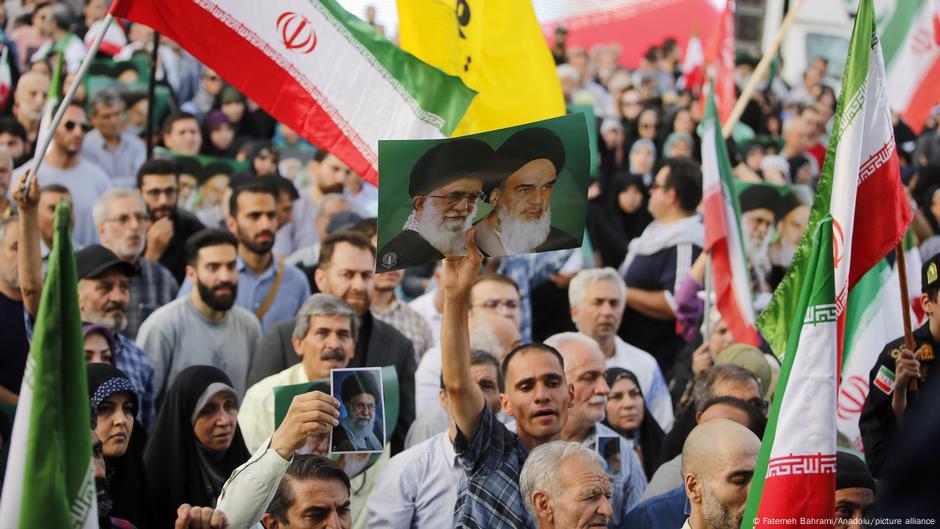
Israel Intensifies Attacks on Iran: Tehran and Key cities Targeted
Table of Contents
- Israel Intensifies Attacks on Iran: Tehran and Key cities Targeted
- Israeli Strikes Hit Tehran and Other Iranian Cities
- Escalation Timeline: Attacks Since June 13
- casualties and Impact
- What are the potential long-term consequences of this conflict? How can international diplomacy help de-escalate the situation?
- Evergreen Insights: Background and Context
- Frequently Asked Questions About the Israel-Iran Conflict
- Why has Israel increased its attacks on Iran?
- What areas in Iran have been targeted by Israeli strikes?
- What is the current casualty count from the Israel-Iran conflict?
- What military assets have been targeted in the Israeli attacks?
- What role is the United States playing in the conflict between Israel and Iran?
- How has the international community responded to the escalating tensions between Israel and Iran?
In a meaningful escalation of tensions, Israeli forces have launched a series of attacks targeting key locations within Iran, including the capital city of Tehran. The strikes, which began on June 13, are reportedly aimed at military objectives, nuclear facilities, and infrastructure linked to Iran’s nuclear program (Nuclear threat Initiative). The ongoing conflict has resulted in casualties on both sides and raised concerns about regional stability.
Israeli Strikes Hit Tehran and Other Iranian Cities
According to reports from AFP, EFE, and Iranian news agency NourNews, strong explosions were heard in Tehran as Israeli forces targeted “objectives of the regime” and “bodies of repression” within the city. Israeli Defense Minister Israel Katz stated that these attacks are a direct response to perceived threats against Israel and will continue with full force (The Jerusalem Post).
The Red Crescent in Iran confirmed that Israeli attacks occurred near their building in Tehran, while the Fars news agency reported that the city of Karaj, located west of Tehran, was also struck by Israeli rockets.
targeting Military Objectives and Iranian Air Force
The Israeli army has announced additional attacks on “military objectives” in various parts of Iran. Six Iranian airports in the west, east, and center of the country were targeted, with the IDF (Israel Defense Forces) claiming these strikes aimed to degrade Iran’s aerial capabilities. Specific targets included landing strips, underground hangars, a refueling plane, and Iranian Air Force aircraft, including F-14, F-5, and AH-1 planes (GlobalSecurity.org).
Israel asserts that the destroyed aircraft were intended for use against Israeli fighters conducting bombing raids on Iranian military and nuclear facilities. The Israeli Air Force (IAF) claims to have considerably impaired the takeoff capacity of these airports, hindering the Iranian army’s ability to operate its Air Force.
Did you Know? The F-14 Tomcat, while iconic, has been retired by the U.S. Navy since 2006, but remains in service with the Iranian air Force.
Escalation Timeline: Attacks Since June 13
The recent surge in Israeli military actions began in the early hours of Friday, June 13.israel justified these attacks by citing advancements in Iran’s nuclear program and the perceived threat posed by its ballistic missile development. Since then, Israeli aviation has targeted military infrastructure, including air defense systems, ballistic missile stores, and nuclear plants such as Natanz and Isfahan. High-ranking members of the Iranian Revolutionary guard and nuclear scientists have also been targeted.
The conflict has resulted in a growing number of casualties. Iranian authorities report over 400 deaths within Iran, with the majority being civilians, including at least 54 women and minors. In Israel, retaliatory missile attacks from Iran have caused 24 civilian deaths, according to Israeli authorities.
U.S.Involvement: Bombing of Nuclear Centrals
The united States has also entered the conflict, conducting a series of bombings against Iran’s three main nuclear centrals: Natanz, Isfahan, and Fordo. The U.S. government stated that the objective of these strikes is to prevent Tehran from manufacturing an atomic bomb, aligning with its non-proliferation policy (U.S.Department of State).
Pro Tip: Monitoring international news sources and government statements can provide a more thorough understanding of the complex dynamics of this conflict.
casualties and Impact
The ongoing conflict has resulted in significant casualties and damage to infrastructure on both sides. The table below summarizes the reported casualties as of June 23, 2025.
| Location | Deaths | Details |
|---|---|---|
| Iran | Over 400 | Majority civilians,including at least 54 women and minors |
| Israel | 24 | All civilians |
The attacks have also caused widespread disruption to daily life and raised concerns about the potential for further escalation and regional instability. The long-term consequences of the conflict remain uncertain.
What are the potential long-term consequences of this conflict? How can international diplomacy help de-escalate the situation?
Evergreen Insights: Background and Context
The current conflict between Israel and Iran is rooted in decades of geopolitical tensions and mutual distrust. israel views iran’s nuclear program as an existential threat, while Iran sees Israel as a destabilizing force in the region.The involvement of other global powers, such as the United States, further complicates the situation.
The development of nuclear technology in the Middle East has been a source of international concern for many years. The potential for nuclear proliferation and the risk of armed conflict have prompted numerous diplomatic efforts to address these issues. Though, these efforts have frequently enough been hampered by political divisions and a lack of trust among the key players.
Frequently Asked Questions About the Israel-Iran Conflict
Why has Israel increased its attacks on Iran?
Israel’s increased attacks on Iran are primarily motivated by concerns over Iran’s nuclear program and the perceived threat posed by its ballistic missile development. israeli officials have stated that these actions are necessary to prevent Iran from developing nuclear weapons.
What areas in Iran have been targeted by Israeli strikes?
Israeli strikes have targeted various locations within Iran, including the capital city of Tehran, the city of Karaj, and six airports across the west, east, and center of the country.These attacks have focused on military objectives, nuclear facilities, and infrastructure.
What is the current casualty count from the Israel-Iran conflict?
According to Iranian authorities, the attacks have resulted in over 400 deaths in Iran, with a majority being civilians, including at least 54 women and minors. In israel, retaliatory missile attacks from Iran have caused 24 civilian deaths, according to Israeli authorities.
What military assets have been targeted in the Israeli attacks?
The Israeli military has targeted a range of military assets in Iran, including air defense systems, ballistic missile stores, nuclear plants (such as Natanz and Isfahan), and aircraft at Iranian airports. The goal is to degrade Iran’s military capabilities and prevent the use of these assets against Israel.
What role is the United States playing in the conflict between Israel and Iran?
The United States has directly intervened in the conflict by conducting bombings against Iran’s main nuclear centrals, including natanz, Isfahan, and Fordo. The official objective of these strikes is to prevent Iran from manufacturing an atomic bomb, aligning with U.S.non-proliferation goals.
How has the international community responded to the escalating tensions between Israel and Iran?
The international community has expressed growing concern over the escalating tensions between Israel and Iran. Many countries and organizations are calling for de-escalation and diplomatic solutions to prevent further conflict and potential regional instability. However, specific responses vary depending on geopolitical alignments and national interests.
Disclaimer: This article provides a summary of recent events and does not constitute legal, financial, or medical advice. Consult with qualified professionals for specific guidance.
Share your thoughts and join the discussion! What steps should be taken to de-escalate this dangerous situation?
