
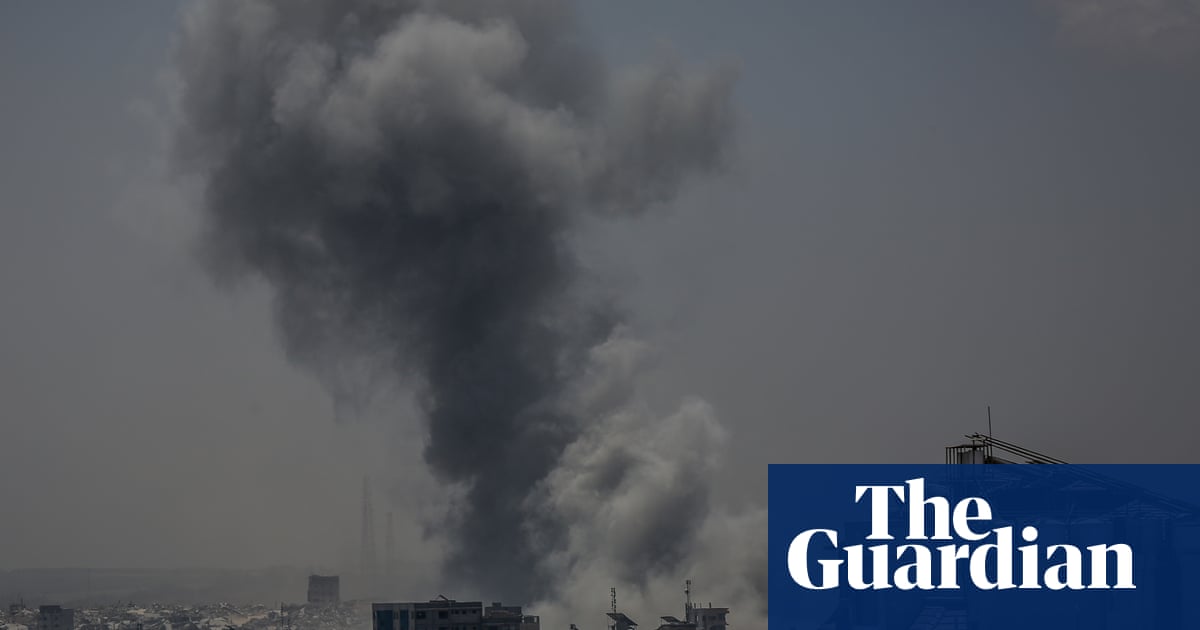
Gaza Airstrikes Persist Amid Ceasefire Talk Hopes
Despite increased optimism for a potential ceasefire, Israel continues its airstrike campaign in Gaza, even after Hamas signaled readiness for US-brokered negotiations. News of renewed fighting tempers hopes to end the 21-month conflict.
Ceasefire Negotiations Loom
Hamas announced its willingness to immediately engage in talks regarding a US-proposed 60-day ceasefire, raising hopes for a swift resolution. Despite this, Benjamin Netanyahu stated Israel would send negotiators to Qatar on Sunday, even while deeming Hamas’ requested changes unacceptable.
Saturday’s Casualties
Though Saturday was reportedly calmer than previous days, hospital officials reported 24 Palestinians killed, including 10 seeking aid. Airstrikes hit tents in Mawasi, a coastal area in southern Gaza, killing seven. Among the dead were a Palestinian doctor and his three children. According to reports, four more individuals died in Bani Suheila, while Khan Younis saw three fatalities from separate strikes.
The Israel Defense Forces (IDF) has not yet released an official statement on these attacks.
Humanitarian Aid Disrupted
Two US contractors associated with the Gaza Humanitarian Foundation (GHF) sustained injuries in southern Gaza after unknown assailants threw grenades at a food distribution site, the organization reported. Amidst security concerns, the World Food Programme has paused aid distribution in Gaza, citing rising risks to humanitarian staff (WFP 2024).
Controversy Surrounds Aid Group
The GHF, a US-backed private entity distributing food in Gaza since last month, faces controversy. António Guterres, the UN secretary general, previously labeled it “inherently unsafe”
and claimed it was “killing people.”
The GHF refutes these allegations, asserting the safe delivery of tens of millions of meals.
Tammy Bruce, US state department spokesperson, attributed the attack to “Hamas terrorists,”
decrying their “depravity”
for targeting those providing relief to Gazans.
Dire Humanitarian Conditions
Aid workers in Gaza reiterate calls for an immediate cessation of hostilities, warning that dwindling fuel stocks could trigger the “complete collapse”
of humanitarian operations, the health system, and communications. Power supplies heavily rely on diesel for generators.
“We are pretty much down to about half a day’s worth. When that is gone, everything has to shut down,”
said one humanitarian worker in Deir al-Balah.
Blockade Impact
Following the collapse of the most recent ceasefire in March, Israel imposed a strict 11-week blockade on Gaza. Though partially lifted for limited food and medical supplies, no fuel has entered. Existing supplies remain inaccessible due to location in Israeli-controlled areas or active combat zones.
Diplomatic Efforts
Netanyahu is scheduled to meet with US president Donald Trump in Washington on Sunday. Trump has expressed his desire to end the Gaza war in recent social media posts.
Drafts of the proposed deal suggest Trump would personally announce any ceasefire during Netanyahu’s visit.
Sticking Points
Hamas seeks greater assurance that the initial truce will lead to a permanent end to the war and the full withdrawal of Israeli troops. Disagreements also persist over who will deliver “sufficient aid.”
Hamas wants the GHF shut down, while Israel prefers a distribution system independent of the UN or other countries.
Trump expressed optimism about a potential “Gaza deal”
next week. Israeli media, however, suggest that separate delegations traveling to Qatar and Egypt and Steve Witkoff’s (Trump’s personal envoy) trip to the Middle East could cause delays.
Conflict Context
The Gaza war began after a Hamas-led attack into Israel in October 2023, resulting in 1,200 deaths, primarily civilians, and the abduction of 251 individuals. Currently, fifty hostages remain in Gaza, with fewer than half still alive.
Israel’s military response has reportedly killed at least 57,000 people in Gaza, most of whom were civilians, according to the territory’s health ministry, which is considered a reliable source by the UN and western governments.
