
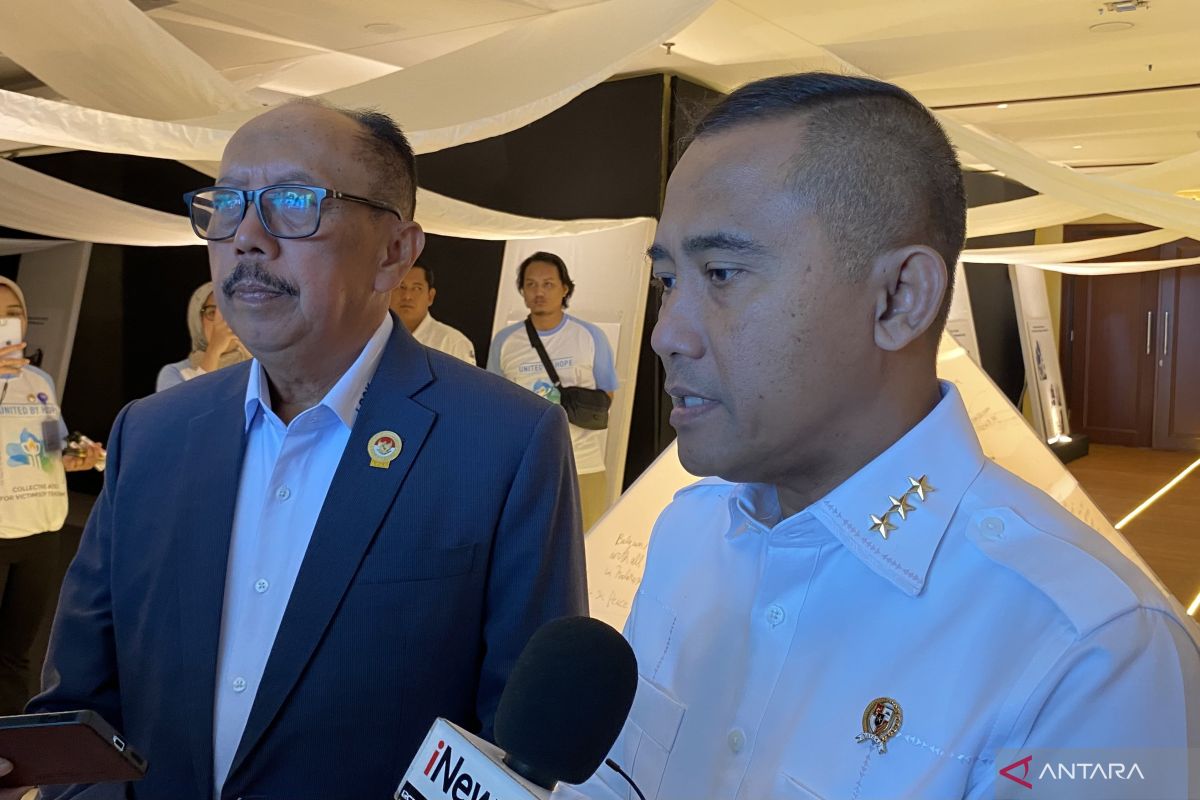
Indonesia Advances Prisoner Transfer Bill, Eyes Repatriation of Terrorism Convicts
Table of Contents
Jakarta – Indonesia is nearing the enactment of a landmark law that will streamline the process of transferring prisoners between countries, potentially paving the way for the return of Indonesian citizens currently incarcerated overseas for terrorism-related offenses. The move comes as the government responds to increasing requests from both foreign nations and Indonesian families seeking to resolve cross-border detention issues.
New Legislation to Formalize Prisoner Transfers
Currently, Indonesia lacks a comprehensive legal framework for international prisoner transfers, relying rather on ad-hoc agreements with partner countries. Coordinating Minister for Law, Human Rights, Immigration, and Corrections, Yusril Ihza Mahendra, emphasized the urgent need for the new legislation. “This bill is urgently needed,” he stated on Tuesday, adding that the government has agreed to submit the draft to the president through the State Secretariat.
the bill’s finalization follows a surge in requests from foreign governments to transfer their nationals held in Indonesian prisons, alongside a growing number of Indonesian citizens abroad seeking repatriation. This shift reflects a broader international trend toward formalized prisoner exchange programs, aiming for more humane and efficient correctional systems.
Did You Know?
Indonesia’s existing legal system, outlined in the Criminal Procedure Code, does not explicitly address international prisoner transfers, creating complexities in handling such requests.
Case of Taufiq Highlights Repatriation Concerns
The review of potential repatriations includes the case of Taufiq, an Indonesian national serving a life sentence in the Philippines for his involvement in a hotel bombing in Cotabato. Eddy Hartono, Head of the National Counterterrorism Agency (BNPT), confirmed that the agency is assessing Taufiq’s case in light of the pending legislation. “This will be formalized into law,and we’ll assess whether Indonesian nationals detained overseas can be processed under its provisions,” Hartono said Thursday.
While Taufiq’s family has formally requested his return, any official submission to the Philippine government will originate from the Indonesian government. BNPT is currently compiling data on all Indonesian citizens imprisoned abroad on terrorism-related charges to determine eligibility under the new law.
Key Details of the Proposed Legislation
| Aspect | Details |
|---|---|
| Purpose | To establish a legal framework for the transfer of prisoners between Indonesia and other countries. |
| Current Status | Draft law awaiting Presidential approval. |
| Key Driver | Increasing requests from partner countries and Indonesian citizens abroad. |
| Notable Case | Review of repatriation request for Taufiq, serving a life sentence in the Philippines. |
The progress comes amid ongoing efforts to address the challenges of dealing with Indonesian citizens who have joined foreign terrorist groups and are later imprisoned abroad. The repatriation process is complex, involving security assessments and rehabilitation considerations.
Pro Tip:
Understanding the legal nuances of international prisoner transfer agreements is crucial for ensuring a smooth and lawful repatriation process.
What factors will be most critical in determining which Indonesian citizens are eligible for repatriation under the new law? And how will the Indonesian government balance security concerns with the rights of its citizens seeking to return home?
Context: Indonesia’s Counterterrorism Efforts
Indonesia has been actively combating terrorism for decades, particularly following the 2002 Bali bombings. The country’s counterterrorism strategy involves a multi-pronged approach, including law enforcement, deradicalization programs, and international cooperation. The potential repatriation of citizens involved in terrorism raises complex questions about rehabilitation and reintegration into society. according to a 2021 report by the Institute for Policy Analysis of Conflict (IPAC), the number of Indonesian fighters joining ISIS and other foreign terrorist groups has decreased in recent years, but the threat of radicalization remains a concern [[source not provided in original text]].
Frequently Asked Questions
- What is the purpose of the prisoner transfer bill? The bill aims to create a clear legal process for transferring prisoners between Indonesia and other countries.
- Who is Taufiq and why is his case meaningful? Taufiq is an Indonesian citizen serving a life sentence in the Philippines for terrorism, and his case is being reviewed for potential repatriation.
- What challenges does Indonesia face with repatriating terrorism convicts? Challenges include security assessments, rehabilitation programs, and ensuring public safety.
- What was the previous process for handling prisoner transfer requests? Previously, requests were handled on an ad-hoc basis through agreements with individual countries.
- What is the current status of the bill? The bill has been finalized and is awaiting Presidential approval.
This is a developing story. Stay tuned to world-today-news.com for updates.
We’d love to hear your thoughts! Share this article with your network, leave a comment below, or subscribe to our newsletter for the latest news and insights.
