
Indonesia to End Corn Imports for Animal Feed in 2025 Amid Surging Domestic Production
Table of Contents
- Indonesia to End Corn Imports for Animal Feed in 2025 Amid Surging Domestic Production
Indonesia will halt corn imports for animal feed in 2025 due to increased domestic production, aiming for self-sufficiency and potential exports.">
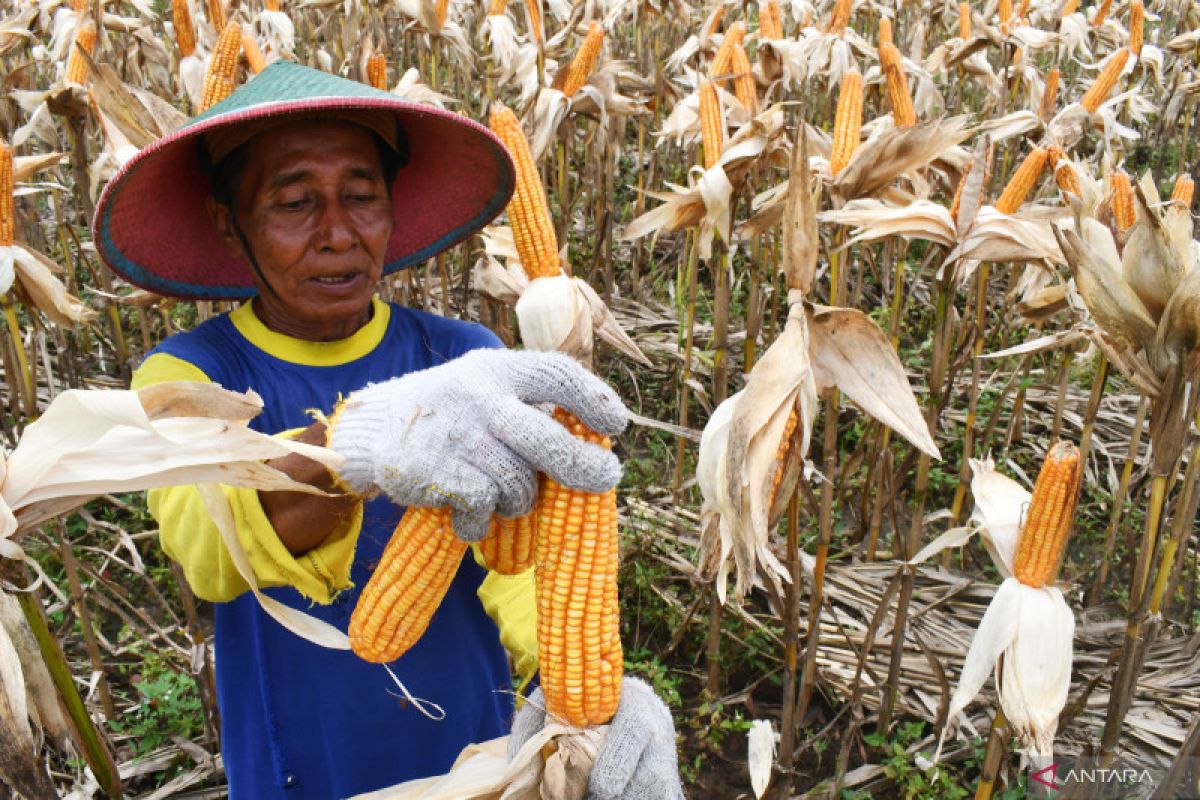
BANTUL, Yogyakarta – Indonesia is set to eliminate corn imports for animal feed by 2025, driven by a significant boost in domestic production that is projected to meet national demand. Yudi Sastro, Director General of Food Crops at the Ministry of Agriculture, announced the decision following a corn harvest in Bantul, emphasizing the country’s commitment to food self-sufficiency.
Corn Production Surges, Eliminating Import Needs
The Indonesian government is confident that domestic corn production will satisfy the country’s requirements for animal feed, negating the need for imports. Sastro highlighted that the majority of corn grown in Indonesia is specifically for animal feed, ensuring a stable supply for the livestock industry.
Did You Know? Indonesia’s corn production has seen a substantial increase, with some reports indicating a doubling of output in recent years.
This decision aligns with President Prabowo’s aim to halt corn imports, with projections indicating a 48% surge in local output [2]. The increased production is attributed to collaborative efforts, including the involvement of the National Police (Polri) in cultivating corn across one million hectares of land nationwide.
National Police Play Key Role in Corn Cultivation
The collaboration with the National Police (Polri) has been instrumental in expanding corn cultivation areas and boosting overall production. This initiative demonstrates a unified approach to achieving food self-sufficiency, involving various government bodies and local communities.
Sastro affirmed that the national corn feed supply remains secure, with domestic production targeting 16 to 17 million tons annually, exceeding the annual demand of approximately 15 million tons. This surplus positions Indonesia to potentially become a corn exporter.
Indonesia Already Exporting Corn
Indonesia has already commenced exporting corn, facilitated by the collaboration with the National Police (Polri). Exports have been initiated from regions such as West Kalimantan (through Surabaya), west Nusa Tenggara, and Gorontalo, showcasing the country’s growing capacity in corn production.
Pro Tip: Supporting local farmers and investing in agricultural technology are crucial for sustaining and increasing corn production in Indonesia.
While imports of corn for animal feed are being eliminated, Indonesia continues to import food-grade corn. Though, this imported corn undergoes downstream processing and is later re-exported, adding value to the Indonesian economy.
government-Wide Effort for Food Self-Sufficiency
The Indonesian government emphasizes that achieving food self-sufficiency is a collective responsibility, involving various ministries and institutions in corn cultivation programs.The National Armed forces (TNI) is assisting with rice production, while the National Police (polri) focuses on corn, with local governments playing a crucial role across the board.
Indonesia’s move to end corn imports reflects a broader strategy to bolster domestic agricultural production and reduce reliance on foreign sources. This initiative aims to improve farmer welfare, stabilize food prices, and enhance the country’s overall food security.
| Metric | Value |
|---|---|
| Annual Corn Feed Demand | 15 million tons |
| Targeted domestic Production | 16-17 million tons |
Future Outlook
Indonesia’s commitment to ending corn imports signals a significant shift towards agricultural independence. By focusing on increasing domestic production and supporting local farmers, the country aims to secure its food supply and potentially become a major player in the global corn market.
What impact will this have on Indonesia’s poultry industry? How will this affect global corn prices?
Evergreen Insights: Background,Context,Past Trends
Indonesia’s journey towards agricultural self-sufficiency has been a long-term goal,with various initiatives implemented over the years to boost domestic production. The country’s tropical climate and fertile soil provide favorable conditions for corn cultivation, but challenges such as limited access to technology and infrastructure have hindered progress. The current governance’s focus on empowering local farmers and promoting sustainable agricultural practices represents a renewed effort to overcome these obstacles and achieve lasting food security.
Frequently Asked Questions About indonesia’s Corn import Policy
- Why is Indonesia halting corn imports for animal feed?
- Indonesia is halting corn imports for animal feed due to a significant increase in domestic corn production, which is expected to meet the national demand.
- how much corn does indonesia need for animal feed annually?
- The annual demand for corn feed in Indonesia is approximately 15 million tons.
- what is the role of the National Police (Polri) in boosting corn production?
- The National Police (Polri) is collaborating with the Ministry of Agriculture to cultivate corn across 1 million hectares of land throughout Indonesia.
- Is Indonesia exporting corn, and if so, to which regions?
- Yes, Indonesia has started exporting corn in collaboration with the National Police (Polri) to regions such as West Kalimantan, West Nusa tenggara, and Gorontalo.
- What types of corn is Indonesia still importing?
- While Indonesia is ceasing imports of corn for animal feed, it continues to import food-grade corn, which is then re-exported after processing.
- How is the Indonesian government ensuring food self-sufficiency?
- The Indonesian government is involving various ministries and institutions in corn cultivation programs to ensure food self-sufficiency.
Share your thoughts on Indonesia’s move to end corn imports! Subscribe for more updates on global agriculture.
