
IMF Chief: Global Economy resilient Despite Trade Tensions
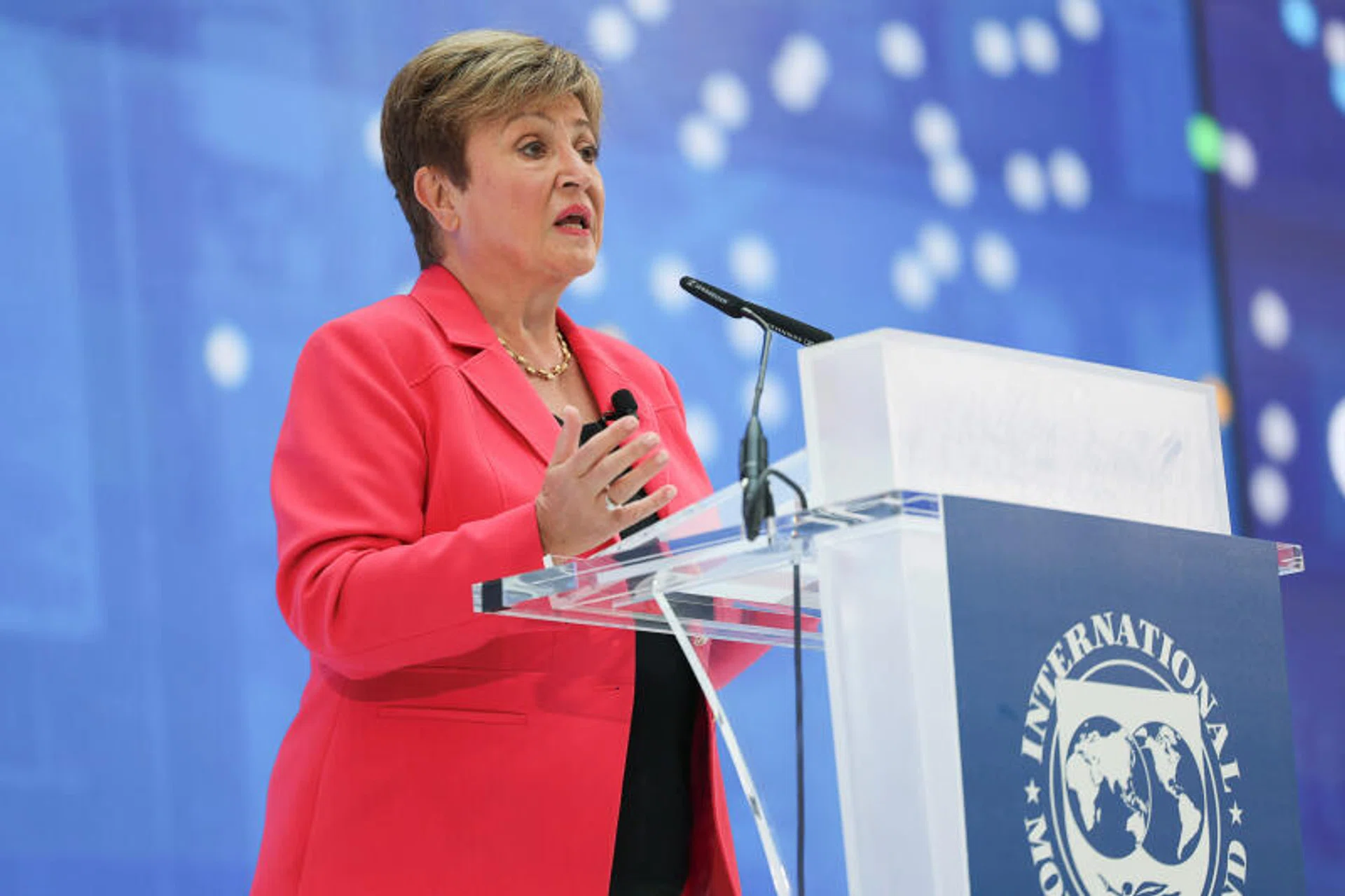
Washington—The global economy is projected to avoid a recession,even as growth faces headwinds from trade policies,according to the international Monetary Fund (IMF). Kristalina Georgieva, the IMF’s managing director, addressed reporters in washington, emphasizing that while trade disruptions will impact growth, a full-blown recession is not anticipated.
Market Volatility and Economic Impact
The IMF acknowledges that recent trade tensions have contributed to market volatility, reminiscent of levels seen during the Covid-19 pandemic. Economists largely agree that new import levies could hinder economic expansion and drive up inflation, especially in the short term. Georgieva stated that trade disruptions incur costs,
and the IMF expects notable
markdowns to growth, but maintains that a recession is unlikely.
Navigating a World of shifts
Georgieva highlighted the unpredictable nature of the current economic landscape, describing it as a world of sudden and sweeping shifts.
Her remarks preceded the Spring Meetings, an annual gathering of global financial leaders co-hosted by the IMF and the World Bank in Washington. She urged a wise
response to the ongoing market volatility.
Revised Growth Forecasts
The IMF is expected to revise its previous forecast for global growth, which projected a rate of 3.3% for 2025 and 2026, in its upcoming World Economic Report. this adjustment reflects the anticipated impact of trade-related uncertainties on the global economy.
Consequences of tariff Tensions
Georgieva outlined three major consequences of current tariff tensions, noting that smaller advanced economies and most emerging markets are likely to be disproportionately affected due to their reliance on trade for growth:
- Uncertainty:
Uncertainty is costly,
making it difficult for businesses to plan due to unpredictable input costs. - Rising Trade Barriers:
Rising trade barriers hit growth upfront.
She added thattariffs, like all taxes, raise revenue at the expense of reducing and shifting activity.
- Protectionism:
Protectionism erodes productivity over the long run, especially in smaller economies.
Policy Recommendations
Georgieva emphasized the need for countries to strengthen their economic foundations. She called on all countries to put their own houses in order
by:
- Gradually adjusting fiscal policies to lower debt levels.
- Maintaining an
agile and credible
monetary policy with astrong commitment
to central bank independence. - Prioritizing the tackling of internal and external macroeconomic imbalances.
Specific Country Recommendations
The IMF provided specific recommendations for major economies:
- China: Enact policies
to boost chronically low private consumption
and shift away from its export-driven model. - United States: Work to put rapidly rising government debt
on a declining path.
- European Union: Focus on improving competitiveness
by deepening the single market.
In trade policy, the goal must be to secure a settlement among the largest players that preserves openness and delivers a more level playing field.
Kristalina Georgieva, Managing Director, IMF
the Path Forward
Georgieva, leading an association that champions free trade and open economies, urged major countries to navigate the current trade uncertainty by aiming to restart a global trend toward lower tariff rates while also reducing nontariff barriers and distortions.
She concluded, We need a more resilient world economy, not a drift to division. And, to facilitate the transition, policies must allow private agents time to adjust and deliver.
