
AustraliaS Illegal Wildlife Trade: A Growing Concern
Australia is facing a surge in illegal wildlife trade, with animals and animal products being smuggled both within the country and internationally, sometimes concealed in surprising ways. The trade is estimated to be worth up to $100,000, and smugglers have been found attempting to transport wildlife in luggage, hidden within clothing, and even concealed inside boxes of chocolate.
A key destination for smuggled animals is Hong Kong, which serves as both a market for exotic pets and a crucial transport hub with connections to mainland China. Smugglers often use Hong Kong as a first step in a larger, global network. Simultaneously, animal products are being trafficked within Australia, fueling a domestic black market.
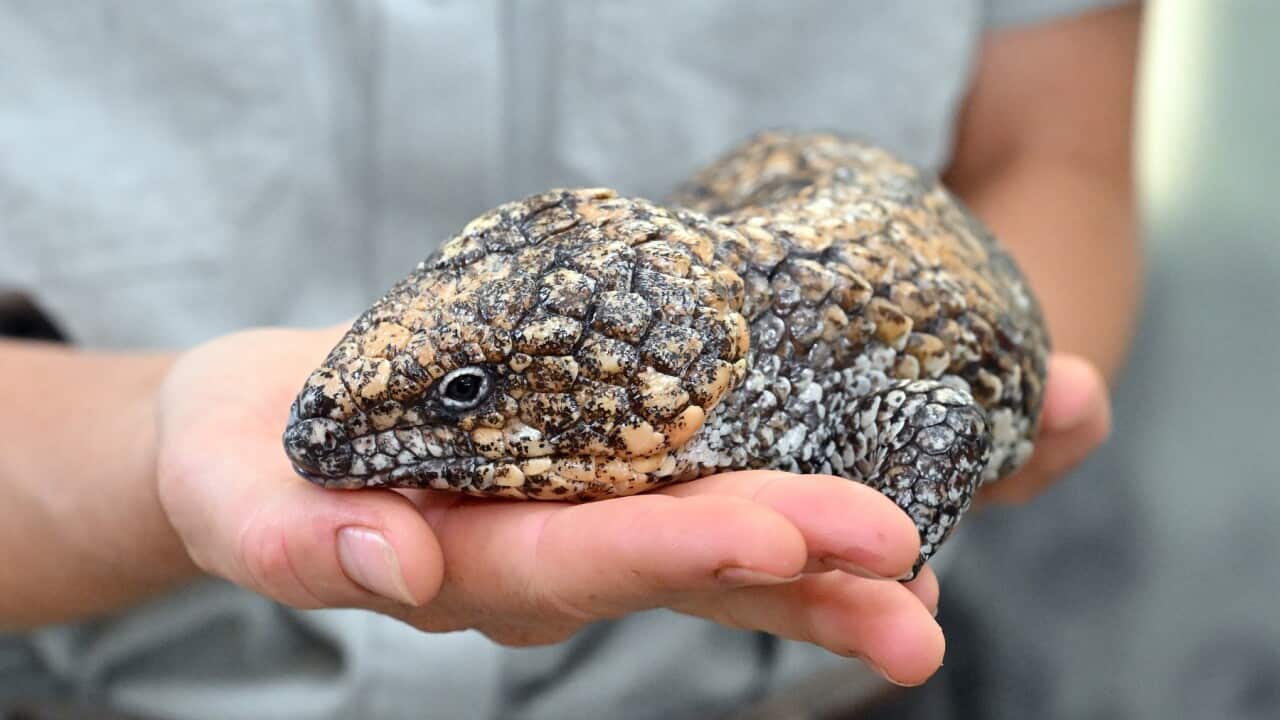
The scope of this trade extends beyond charismatic megafauna. While the exotic appeal of species like shingleback lizards drives demand, a significant and growing portion of the trade focuses on invertebrates. Research by Charlotte Lassaline, a PhD candidate at the University of Adelaide, has identified over 580 invertebrate species being traded, including many threatened Australian species like the Flinders Ranges scorpion - a species restricted to a small area in South Australia. Demand is rising for spiders, scorpions, ants, stick insects, and snails.
The trade also involves larger animals and their parts. Sharks and shark fin materials are highly sought after in Asia, leading to significant trafficking from Australia and New Zealand. last year, authorities in Tasmania seized approximately 3,000 bird eggs believed to be from a threatened species.
Beyond the direct impact on animal populations, the illegal trade poses broader ecological and cultural risks. The introduction of invasive species and the spread of diseases are potential consequences. furthermore, the trade harms Indigenous cultural practices, as native animals hold significant cultural importance for First Nations Australians, serving as totems and featuring prominently in Dreamtime stories and connections to Country.
Indigenous leaders are actively advocating for greater involvement in wildlife protection programs, seeking to integrate traditional Indigenous knowledge with modern conservation methods.
Efforts to combat the illegal trade are underway. This month, global stakeholders will convene at the 20th meeting of the Conference of Parties in Uzbekistan to discuss potential amendments to international wildlife trade regulations. Australia has submitted proposals to add two reptile species - the Mount Elliott leaf-tailed gekko and the ringed thin-tailed gekko – to CITES Appendix II. Inclusion on this list would require permits for any international import or export of these species, and would authorize border seizures of the species outside of Australia.
Sources: (Based on the provided text – no external sources were used to maintain 100% originality from the given material)
* SBS News reports referenced within the provided text.
* Research by Charlotte Lassaline,University of Adelaide.
* Data from Sebastian Chekunov, wildlife crime research lead at the hub.
* Statements from Wildlife crime hub director Professor Phil Cassey.
