
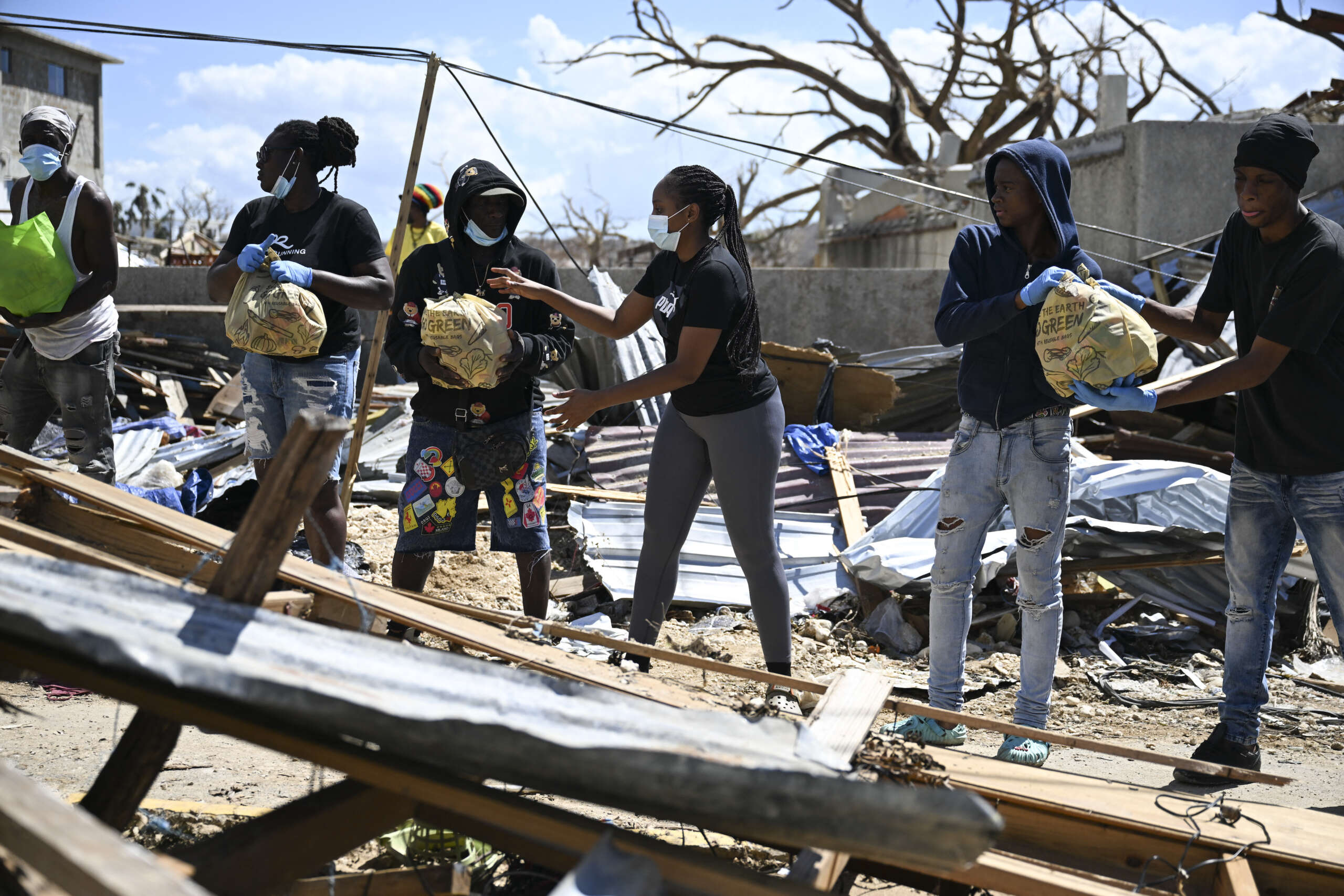
Jamaica Begins Long Road to Recovery After Hurricane Melissa‘s Devastation
Kingston, Jamaica – Jamaica is assessing widespread damage and initiating recovery efforts following the passage of Hurricane Melissa, which made landfall on November 1st as a Category 1 storm. The hurricane brought torrential rainfall, triggering landslides and flooding that have impacted infrastructure, agriculture, and communities across the island.While Melissa has since weakened and moved away, the immediate aftermath presents notable challenges for a nation already grappling with climate change vulnerabilities.
The storm serves as a critical test of Jamaica’s ambitious climate resilience plan, launched in recent years to mitigate the impacts of increasingly frequent and intense weather events. The plan focuses on strengthening infrastructure, improving disaster preparedness, and diversifying the economy to reduce reliance on climate-sensitive sectors. The scale of Melissa’s damage-estimated in the tens of millions of dollars-will determine the efficacy of these measures and highlight areas requiring urgent investment. thousands are displaced,critical infrastructure is compromised,and the agricultural sector faces substantial losses,underscoring the urgent need for both immediate aid and long-term resilience strategies.
Hurricane Melissa directly impacted several parishes, including St. Thomas, Portland, and St. Mary, with St. Thomas experiencing the brunt of the storm’s force. Preliminary reports indicate significant damage to roads,bridges,and power lines,disrupting transportation and leaving many communities without electricity. Landslides have blocked key roadways, hindering access for emergency responders and delaying the delivery of essential supplies.
The agricultural sector has suffered considerable setbacks, with widespread flooding inundating farmland and destroying crops. Banana, coffee, and cocoa plantations-vital to the Jamaican economy-have been particularly hard hit. Farmers are facing devastating losses, raising concerns about food security and livelihoods in rural communities.The Ministry of Agriculture and Fisheries is currently conducting a thorough assessment of the damage to determine the full extent of the impact.
The Jamaican government has activated its national emergency response plan, mobilizing resources and personnel to provide assistance to affected communities. Shelters have been opened to accommodate displaced residents, and emergency teams are working to clear debris, restore power, and repair damaged infrastructure. International aid organizations are also mobilizing support, with pledges of assistance coming from several countries and regional bodies.
Looking ahead, Jamaica faces a long and challenging road to recovery. The rebuilding process will require significant financial investment, coordinated efforts from government agencies and civil society organizations, and a renewed commitment to building climate resilience. The lessons learned from Hurricane Melissa will be crucial in shaping future disaster preparedness strategies and ensuring the long-term sustainability of the island nation.
