
Human Protein Atlas Considerably Expanded with Version 25 Release
A major update too the freely accessible Human protein Atlas (HPA) was unveiled last week at the HUPO World Congress in Toronto,substantially broadening the scope of this key biological resource. version 25 now encompasses data for all human protein-coding genes,detailing protein expression across cells,tissues,organs,and blood.
The HPA integrates over 10 million manually curated bioimages and more than 6 billion assay measurements derived from approximately 300,000 biological samples. This information is organized into nine distinct sub-resources, each focusing on a different facet of human protein biology.
A central component of this release is a significantly enhanced Human Disease Blood resource. This expansion incorporates large-scale proteomics data from Olink Explore HT and SomaScan assays, analyzing 32 cohorts and 71 diseases – including cancers, autoimmune disorders, infectious diseases, neurological conditions, and cardiovascular ailments. Longitudinal studies examining health,childhood advancement,aging,and pregnancy are also included,providing comprehensive blood protein profiles across a range of conditions and life stages.
“We are proud to release this new version of the open-access HPA, containing a wealth of new data generated both internally and through collaborations,” stated Dr. Mathias Uhlen, Director of the HPA, in a recent interview with Technology Networks. “The expanded Human Disease Blood resource will be notably valuable for researchers in translational medicine and those working to advance precision medicine.”
The update also strengthens the HPA’s focus on protein structure and location. The Interaction resource, mapping protein-protein interactions for over 15,000 proteins, now features 23,000 predicted interaction structures generated in-house using AlphaFold3.
Furthermore, the Single Cell resource has grown to include data from 34 tissues, with the addition of information from the adrenal gland, pituitary gland, epididymis, and urinary bladder.
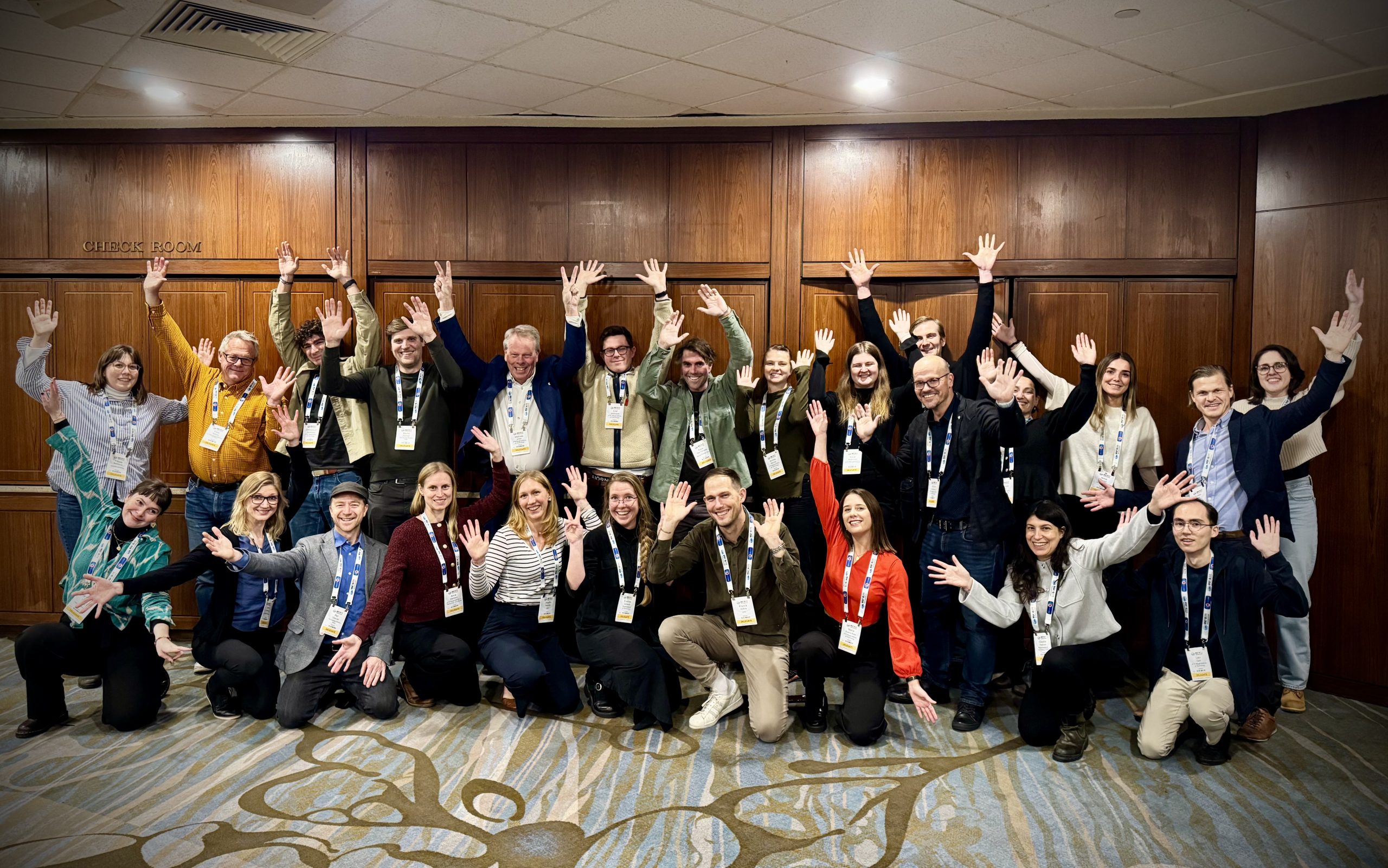
the increasing importance of spatial and single-cell proteomics was highlighted at HUPO, with the HPA’s extensive data in thes areas attracting significant attention. Jennifer Van Eyk, Professor of biomedical Sciences at Cedars-Sinai and past president of HUPO, noted in an interview with GenomeWeb the strong interest in these datasets at the meeting.
All data within the Human protein Atlas remains freely available, with downloadable files including detailed metadata for each resource, and the complete dataset accessible in XML format. The Human Protein Atlas is funded by the Knut and Alice Wallenberg Foundation.
