
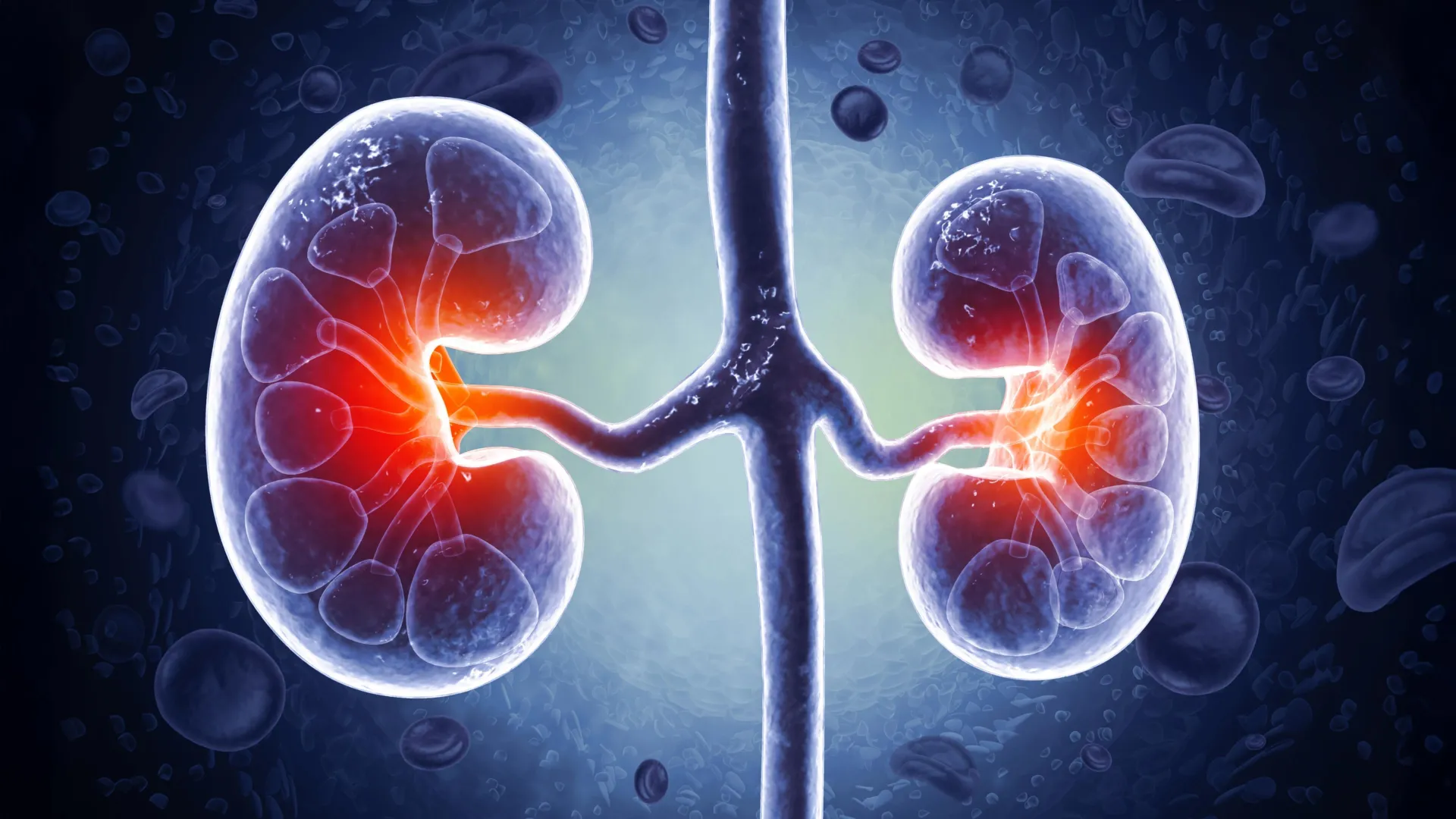
Summary of Research on Corisin and Diabetic Kidney Fibrosis:
This research identifies corisin, a peptide produced by Staphylococcus bacteria in the gut, as a potential key driver of diabetic kidney fibrosis – a major cause of kidney failure wiht currently limited treatment options.
Here’s a breakdown of the key findings:
* Corisin Levels & Kidney Damage: patients with diabetic kidney disease have significantly higher levels of corisin in their blood and urine, and these levels correlate with the severity of kidney damage. This was also observed in mice.
* How Corisin Damages Kidneys: Corisin accelerates aging in kidney cells, triggering inflammation, cell death, and ultimately, scar tissue buildup (fibrosis) leading to kidney dysfunction.
* Gut-to-Kidney transport: Corisin hitches a ride to the kidneys by attaching to albumin (a common blood protein). It detaches from albumin once it reaches the kidneys to attack filtering structures.
* Antibody Treatment Shows Promise: Treating mice with antibodies that neutralize corisin dramatically reduced kidney damage and scarring.
* Future directions: Researchers plan to test anti-corisin treatments in larger animal models (pigs) to assess their potential for safe human use. they have filed a joint invention disclosure for corisin antibodies.
In essence,the study suggests that blocking corisin could be a novel therapeutic approach to prevent or slow down kidney scarring in diabetic patients,potentially improving their quality of life.
