
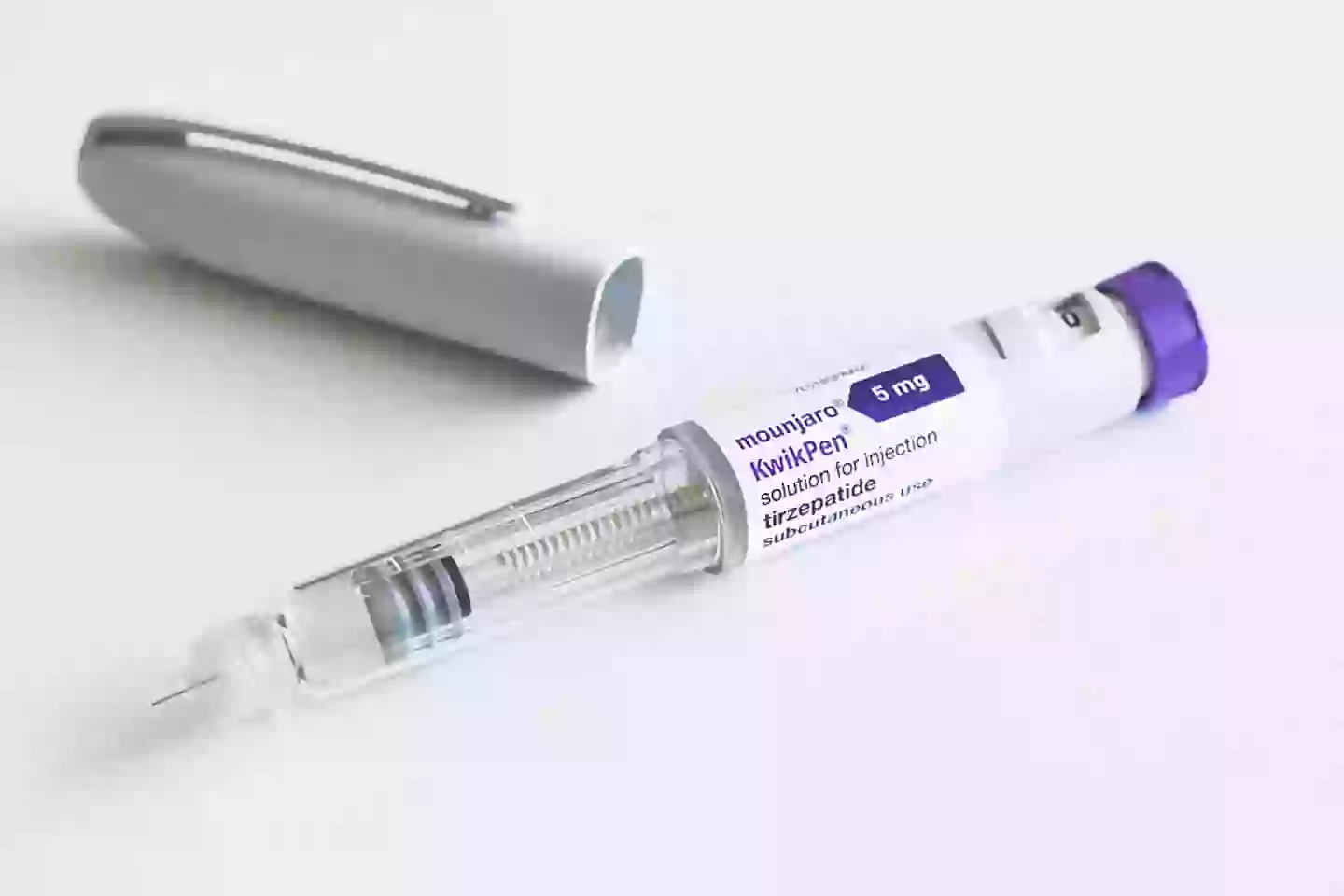
Mounjaro Users Face Change to Pen Design, Health Expert Warns of Impact to ‘Golden Dose’ Practice
A modification to the Mounjaro KwikPen, a popular medication for type 2 diabetes and weight loss, is prompting concern among users who seek a larger-than-prescribed dose, frequently enough referred to as the “golden dose.” Eli Lilly, the manufacturer, is altering the pen to reduce residual medication left after four doses, effectively eliminating the practice of extracting extra medicine. Health experts caution this change could frustrate individuals attempting to circumvent prescribed dosages and perhaps impact treatment efficacy for those relying on the hack.
The alteration stems from the amount of solution remaining in the pen after four weekly injections. While the pen is designed to deliver four doses plus a priming volume, some users have been extracting additional medicine from the device-the “golden dose”-believing it enhances the drug’s effects. Eli Lilly states both the original and modified kwikpens contain the necessary volume for priming and delivering four prescribed doses, but the new design minimizes leftover medication. This change impacts individuals utilizing the pen for off-label weight loss, where higher dosages are frequently sought.
According to a statement from Eli Lilly, “The initial Mounjaro KwikPen and the modified Mounjaro KwikPen both contain the volume of solution necessary for priming before each injection and the delivery of 4 doses (one dose given weekly). The KwikPen has been modified to reduce the amount of leftover medicine that remains in the KwikPen after 4 doses have been administered.” The company has not commented directly on the “golden dose” practice, but the modification clearly addresses its feasibility.
