
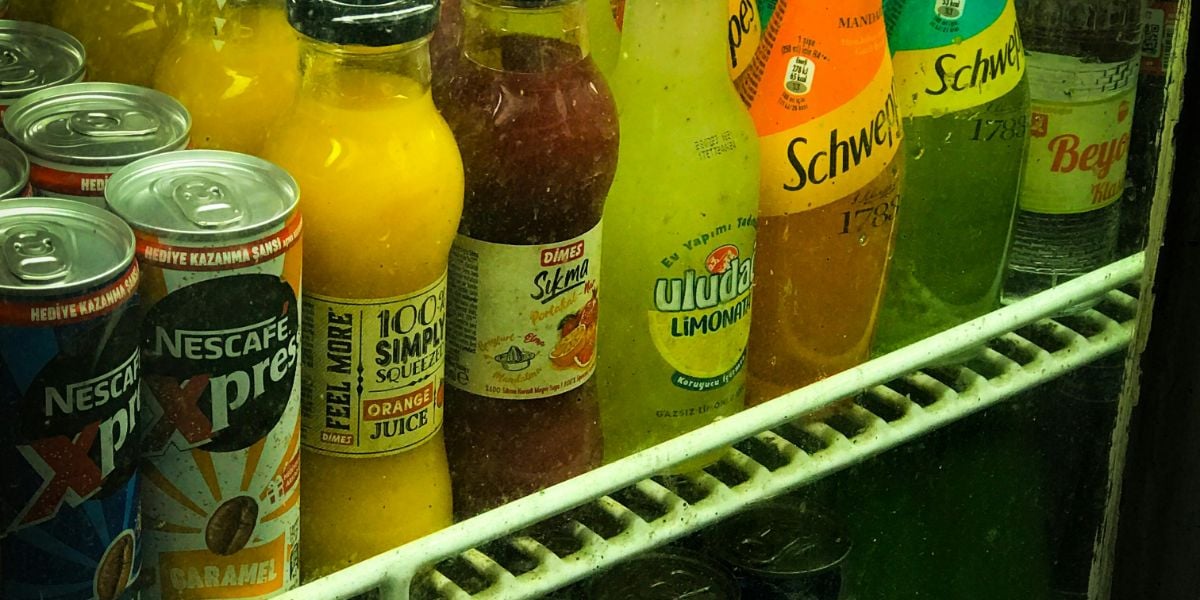
Sugary Drink Consumption linked to Increased Hair Loss,New Research Finds
breaking News: A new analysis of nearly 62,000 participants suggests a strong link between high consumption of sugary drinks and an increased risk of hair loss. The research, published in Nutrition and Health, adds to a growing body of evidence highlighting the impact of diet on hair health.
Hair loss, medically termed alopecia, can stem from various factors including genetics, stress, medical conditions, and autoimmune diseases like alopecia areata. While some shedding – up to 100 hairs daily – is normal, important hair loss or the advancement of bald patches warrants medical attention.
The study, a systematic review of 17 peer-reviewed studies, investigated the relationship between specific foods and nutrients and hair outcomes. Researchers found that high intake of sugary drinks, classified as ultra-processed foods, was associated with a greater risk of hair loss, according to one study originating from China.
Excessive alcohol consumption was also linked to increased hair loss and premature hair depigmentation. Conversely,the research identified several factors associated with improved hair health. These included eggshell membrane, INVERSION Femme, persimmon leaf extract, and marine protein complex, all of which were linked to increased hair density and gloss.
Nutrient deficiencies and excesses also played a role. Participants with protein deprivation showed reduced hair bulb diameter and pigmentation. Lower serum vitamin D levels and high retinol (vitamin A) intake were associated with more severe alopecia areata. However, dietary iron intake was linked to improved hair growth specifically in women.
“The present systematic review underscores nutrition’s critical role in maintaining healthy hair,” the findings state. “Current scientific evidence suggests that ensuring adequate levels of key nutrients, notably vitamin D and iron, is a beneficial strategy for preventing and managing alopecia.”
The research concludes that limiting sugary drink and alcohol intake may help protect against hair loss, while sufficient protein and intake of soy and cruciferous vegetables may also be beneficial – though further research is needed to confirm these associations.You can read the full study in the journal Nutrition and Health: https://journals.sagepub.com/doi/10.1177/02601060251367206
