
Gut Bacterium Shows Promise in Combating Obesity, Diabetes, and Osteoporosis
COPENHAGEN, Denmark – A newly discovered gut bacterium is demonstrating remarkable potential in addressing some of the world’s most pressing health challenges: cardiovascular disease, obesity, diabetes, and osteoporosis. Researchers at the University of Copenhagen have identified a specific bacterial strain that influences hormonal balance, leading to reduced weight gain, lower blood sugar levels, and increased bone density.
The Microbiome and Human Health
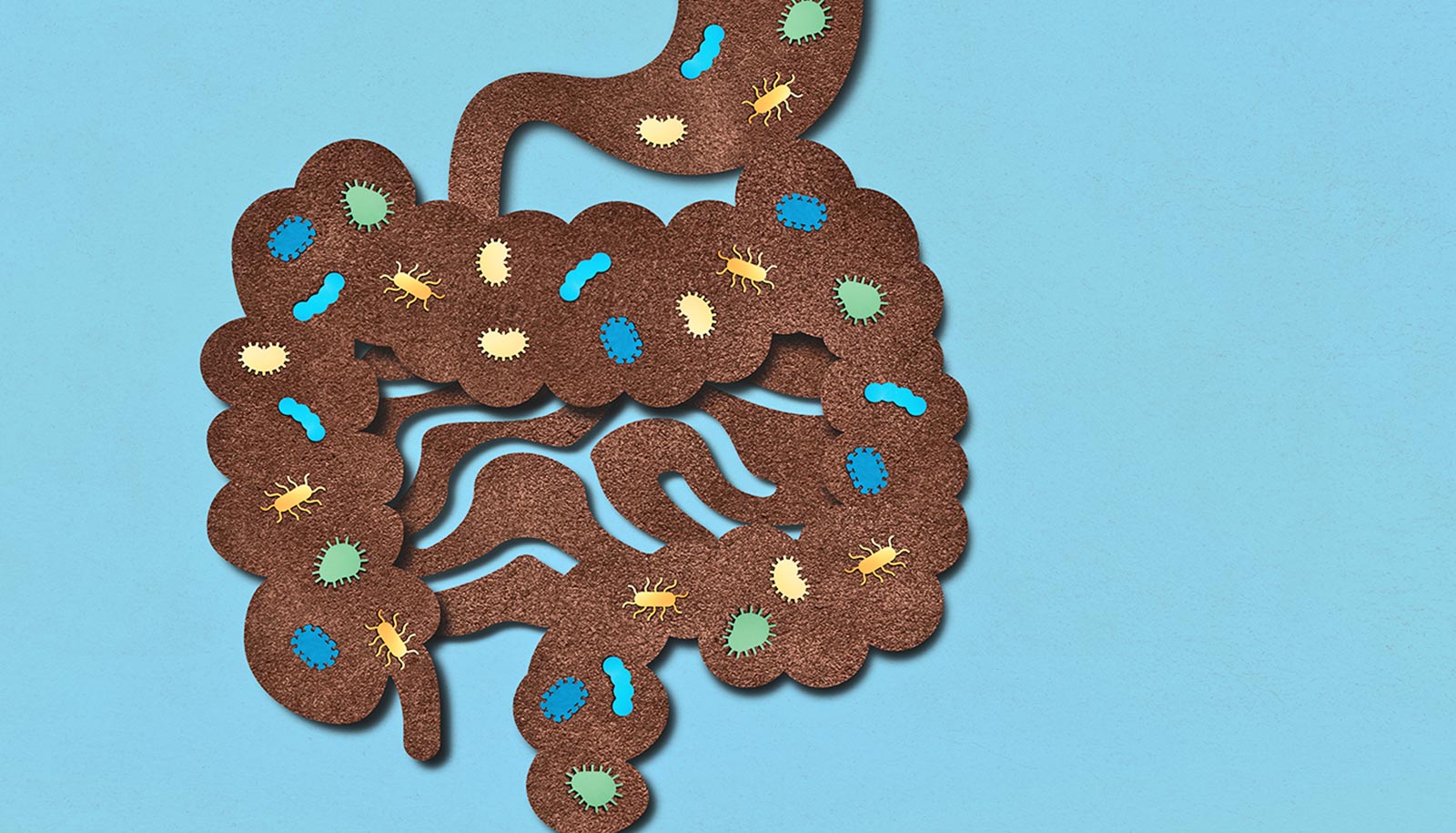
The human gut is home to trillions of microorganisms, collectively known as the microbiome. These microbes produce compounds that can regulate various bodily functions through the bloodstream and the gut’s nervous system.
Did You Know?
The gut microbiome contains more genes than the human genome, highlighting its immense complexity and influence on our health.
Despite the vastness of the microbiome,the effects of many bacterial species remain largely unknown. This recent study sheds light on the potential of a specific bacterium to substantially impact metabolic health.
RORDEP Proteins: A Novel Signaling Pathway
The identified bacterium produces two proteins, RORDEP1 and RORDEP2, which share similarities with the hormone irisin.Irisin is released during exercise and plays a role in fat metabolism. These newly discovered proteins exert influence over the body’s hormonal equilibrium,affecting weight,bone density,and blood sugar regulation.
“We found that the number of RORDEP-producing bacteria can vary by up to 100,000 times between individuals, and that people with high levels of these bacteria tend to be leaner,” explained Yong Fan, assistant professor at the Novo nordisk Foundation Center for Basic Metabolic Research at the University of Copenhagen, and lead author of the study published in Nature Microbiology.
How RORDEP Proteins Impact the body
The study revealed that RORDEP proteins stimulate the body’s production of hormones like GLP-1 and PYY, which regulate appetite and blood sugar. They also enhance insulin production, crucial for maintaining stable glucose levels. Together, RORDEP proteins suppress the hormone GIP, which can contribute to weight gain, and directly promote fat burning.
“In experiments with rats and mice that received either RORDEP-producing gut bacteria or the RORDEP proteins themselves, we observed reduced weight gain and lower blood sugar levels, along with increased bone density. What’s exciting is that this is the first time we’ve mapped gut bacteria that alter our hormonal balance,” Fan stated.
From Research to Real-World Applications
The University of Copenhagen researchers established GutCRINE two years ago to translate this research into tangible therapies. The company received financial support from the university to accelerate the development process.
Initial clinical trials are currently underway. One study is evaluating the effects of administering live RORDEP-producing bacteria to healthy participants. A separate trial is investigating the impact of the RORDEP1 protein itself.
“We’re now translating our basic research into human studies to explore whether RORDEP-producing bacteria or the RORDEP proteins-either in their natural or chemically modified form-can serve as the foundation for a new class of biological drugs known as pharmabiotics,” said Professor Oluf Pedersen, project leader and senior author of the study.
Looking ahead, the research team envisions a future where RORDEP-producing bacteria could be used for both prevention and treatment.
Pro Tip:
Maintaining a diverse gut microbiome through a balanced diet and lifestyle is crucial for overall health and well-being.
“Looking 10 to 15 years ahead, our goal is to test the potential of RORDEP-producing bacteria for both prevention and treatment. We want to investigate whether they can function as a second-generation probiotic-used as a dietary supplement to prevent common chronic diseases-and whether RORDEP-proteins in modified forms can be developed into future medicines for cardiovascular disease,obesity,diabetes,and osteoporosis,” Pedersen added.
Key Study Findings
| Finding | Details |
|---|---|
| Bacterial Strain | A common gut bacterium produces RORDEP1 and RORDEP2 proteins. |
| Hormonal Impact | Increases GLP-1, PYY, and insulin; suppresses GIP. |
| Observed Effects | Reduced weight gain, lower blood sugar, increased bone density. |
| Clinical Trials | Phase 1 trials underway with both live bacteria and RORDEP1 protein. |
researchers from the University of Copenhagen, Herlev-Gentofte Hospital, Zealand University Hospital, Novo Nordisk A/S, the Technical University of Denmark, Steno Diabetes Center, and Chongqing Medical University contributed to this groundbreaking work.
Source: University of Copenhagen
What role do you think the gut microbiome will play in personalized medicine in the future? And how can individuals proactively support a healthy gut microbiome through diet and lifestyle choices?
The evolving Understanding of the Gut Microbiome
Research into the gut microbiome has exploded in recent years, revealing its profound impact on nearly every aspect of human health. From immune function and mental well-being to chronic disease risk and drug metabolism,the gut microbiome is increasingly recognized as a critical regulator of overall health. The discovery of RORDEP proteins adds another layer of complexity and prospect to this rapidly evolving field. The potential for manipulating the microbiome to improve health outcomes is a major focus of current research, with promising avenues including probiotics, prebiotics, fecal microbiota transplantation, and now, targeted therapies based on bacterial metabolites like RORDEP proteins.
Frequently Asked Questions about Gut bacteria and Health
- What is the gut microbiome? The gut microbiome is the community of microorganisms living in your digestive tract.
- How does gut bacteria affect weight? Certain gut bacteria can influence metabolism,appetite,and fat storage.
- Can probiotics help with diabetes? Some probiotic strains may improve blood sugar control and insulin sensitivity.
- What is a pharmabiotic? A pharmabiotic is a biological drug derived from or targeting the gut microbiome.
- How can I improve my gut health? Eating a diverse diet rich in fiber, limiting processed foods, and managing stress can support a healthy gut microbiome.
We’re excited to follow the progress of these clinical trials and share updates as they become available. If you found this article insightful, please share it with your network and join the conversation in the comments below! Don’t forget to subscribe to our newsletter for the latest breakthroughs in health and science.
