
“`html
Wildfires and Water Supplies: A Growing Crisis Across the American West
Table of Contents
A toxic atmosphere descended upon crews battling the Dragon Bravo Fire on the North rim of the Grand Canyon in july 2025.The blaze triggered a chlorine gas leak from the park’s water treatment facility, forcing firefighters too retreat and exposing the vulnerability of critical infrastructure to escalating wildfire threats. This incident underscores a rapidly emerging pattern: wildfires are no longer simply a forest management issue, but a direct and escalating threat to the nation’s water security.
The Dragon Bravo Fire: A Case Study in Intertwined Crises
The chlorine leak originated at a water treatment facility serving both rims of the Grand Canyon, drawing water from a fragile spring. This vital system provides water for visitor lodging and park service housing. Beyond the immediate hazard, the Dragon Bravo Fire damaged water pipes and equipment, compelling fire crews to rely on water tankers and raising concerns about potential contamination of the water supply.

Grand Canyon National Park via Flickr
By mid-August, the Dragon Bravo Fire had consumed over 140,000 acres, becoming one of the largest fires in Arizona’s history. More than 70 structures, including the iconic Grand Canyon Lodge, were destroyed, and smoke blanketed the region. The fire’s impact extended beyond immediate destruction, highlighting the interconnectedness of natural resources and critical infrastructure.
A Pattern of Water System Vulnerability
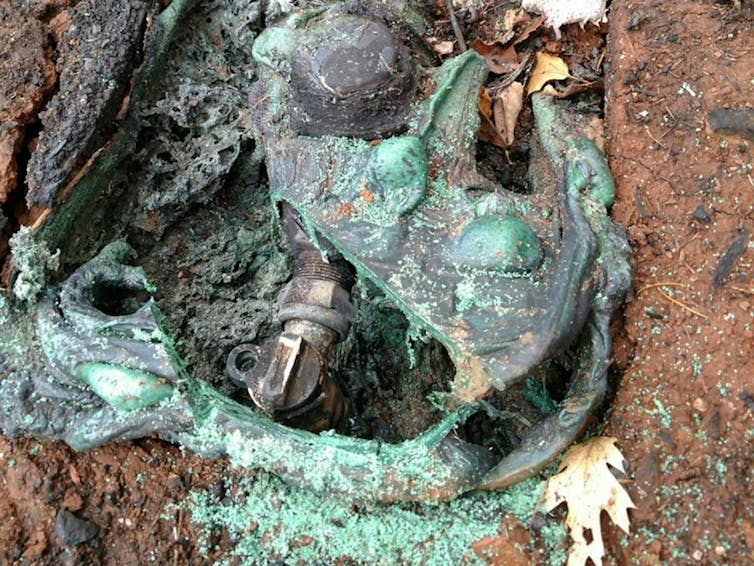
The challenges faced at the Grand Canyon are not isolated. Prior to 2017, research on the relationship between wildfires and water primarily focused on drought and ecosystem impacts. Though, the Tubbs Fire in Santa Rosa, California, in 2017 revealed a new dimension of the problem: the direct damage to water infrastructure. the fire melted plastic water pipes, introducing contaminants, including benzene-a known carcinogen-into the public water system.
Similar incidents followed. The 2018 Camp Fire, which devastated the town of Paradise, California, also contaminated the local water supply. Fires in Oregon and Colorado further demonstrated this pattern, damaging pipes, disrupting water pressure, and introducing contaminants. In January 2025, the Los Angeles fires underscored these concerns, with hydrants running dry and water systems experiencing depressurization, impacting firefighting efforts and damaging over 16,000 structures with an estimated $45 billion in insured losses.
Did You Know? Wildfires can introduce a range of contaminants into water systems, including heavy metals, volatile organic compounds, and disinfection byproducts, posing important health risks to communities.
| Fire Event | Location | Year | Water System Impact |
|---|---|---|---|
| Tubbs Fire | Santa Rosa, CA | 2017 | Melted plastic pipes, benzene contamination |
Camp
 |