
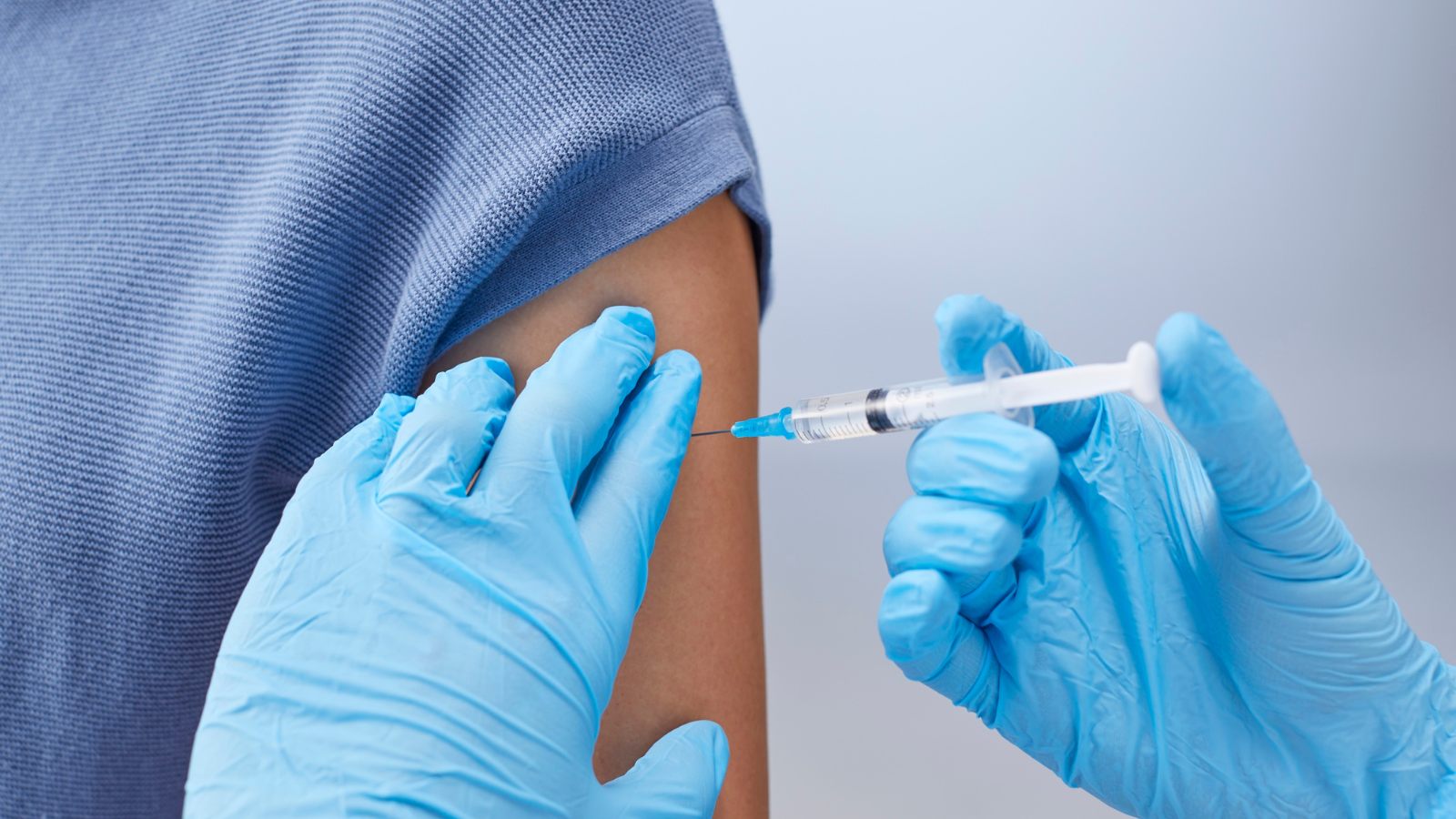
Meningitis Vaccines Show Promise in Gonorrhea Prevention: A New Strategy?
Public health officials are cautiously optimistic about a potential new tool in the fight against gonorrhea.Emerging research indicates that certain meningococcal B (MenB) vaccines may offer a degree of protection against the sexually transmitted infection (STI). In response, health authorities in England are now offering the vaccine to individuals at higher risk of exposure.
Did You Know?
Gonorrhea is the second most common bacterial STI in the United States. The centers for Disease Control and Prevention (CDC) estimates that there are 1.6 million cases each year,though many go unreported due to a lack of symptoms.
In the United States, gonorrhea remains a meaningful public health concern. In 2023,over 600,000 cases were officially diagnosed. However, due to the often asymptomatic nature of the infection, the actual number of cases is likely much higher. The Centers for Disease Control and Prevention (CDC) estimates the true figure to be around 1.6 million cases annually.
The Growing Threat of Antibiotic resistance
For nearly a century, gonorrhea has been treatable with antibiotics. Though, the bacterium responsible for the infection, Neisseria gonorrhoeae, has demonstrated a remarkable ability to develop resistance to various drugs. This escalating resistance poses a serious challenge to effective treatment.
- As early as the 1940s, resistance to sulfanilamides emerged.
- By the 1980s, penicillins and tetracyclines were rendered less effective.
- In 2007, the CDC ceased recommending fluoroquinolones due to widespread resistance.
Currently, cephalosporins are the primary class of antibiotics still effective against gonorrhea. This dwindling arsenal underscores the urgent need for enhanced prevention strategies.
Existing Prevention Methods
While the threat of antibiotic resistance looms, several effective prevention tools are already available:
- Condoms: These physical barriers effectively block the exchange of bodily fluids, preventing the spread of the bacteria.
- Doxy-PEP: Doxycycline post-exposure prophylaxis (Doxy-PEP) involves taking an oral antibiotic after unprotected sex to prevent STIs. Studies have shown it to be approximately 50% effective against gonorrhea and 80% effective against chlamydia and syphilis.
Meningococcal Vaccines: A Potential Game Changer?
Currently, there is no vaccine specifically designed to prevent gonorrhea. However, scientists have been exploring the potential of meningococcal vaccines, which target the bacterium Neisseria meningitidis, the cause of meningococcal meningitis. Given the genetic similarities between Neisseria meningitidis and neisseria gonorrhoeae, researchers have investigated whether meningococcal B (MenB) vaccines could offer cross-protection against gonorrhea.
Pro Tip
Understanding the genetic similarities between different bacteria can lead to innovative approaches in vaccine development. Cross-protection, were a vaccine for one disease offers protection against another, is a promising area of research.
Two recent reviews of existing research suggest that MenB vaccines may indeed provide some protection.
Analyzing the Research
Researchers from Hungary and Greece conducted separate reviews of multiple studies to assess the potential impact of MenB vaccines on gonorrhea incidence. Their findings indicate a promising trend.
Both reviews found that individuals who received the 4CMenB vaccine experienced a lower incidence of gonorrhea compared to those who were unvaccinated or received other types of meningococcal vaccines.
A key component of the 4CMenB vaccine is OMV,or outer membrane vesicles. These vesicles are naturally released by both Neisseria meningitidis and Neisseria gonorrhoeae. OMV mimic the exterior of the bacteria, presenting a pathogen-like structure to the immune system without the risk of causing disease. This makes them an effective vaccine delivery system.
The Hungarian researchers analyzed seven studies, with six focusing on the 4CMenB vaccine.Their analysis revealed a pooled vaccine effectiveness (VE) of 38% against gonorrhea infection. When they narrowed their focus solely to the 4CMenB vaccine studies, the pooled VE increased slightly to 41%.
Similarly, the Greek researchers analyzed nine studies, with eight specifically examining the 4CMenB vaccine. They reported a pooled VE of 30% against gonorrhea. The researchers concluded:
While randomized clinical trials are necessary, the findings of this systematic review and meta-analysis highlight the potential effectiveness of OMV-based vaccines in terms of gonorrhea prevention.Researchers in Greece
frequently Asked Questions (FAQ)
Reader Question
If MenB vaccines show promise, why aren’t they widely recommended for gonorrhea prevention?
While the research is encouraging, more rigorous studies, including randomized clinical trials, are needed to confirm the effectiveness and determine the optimal use of menb vaccines for gonorrhea prevention. Public health recommendations will likely evolve as more data becomes available.
