
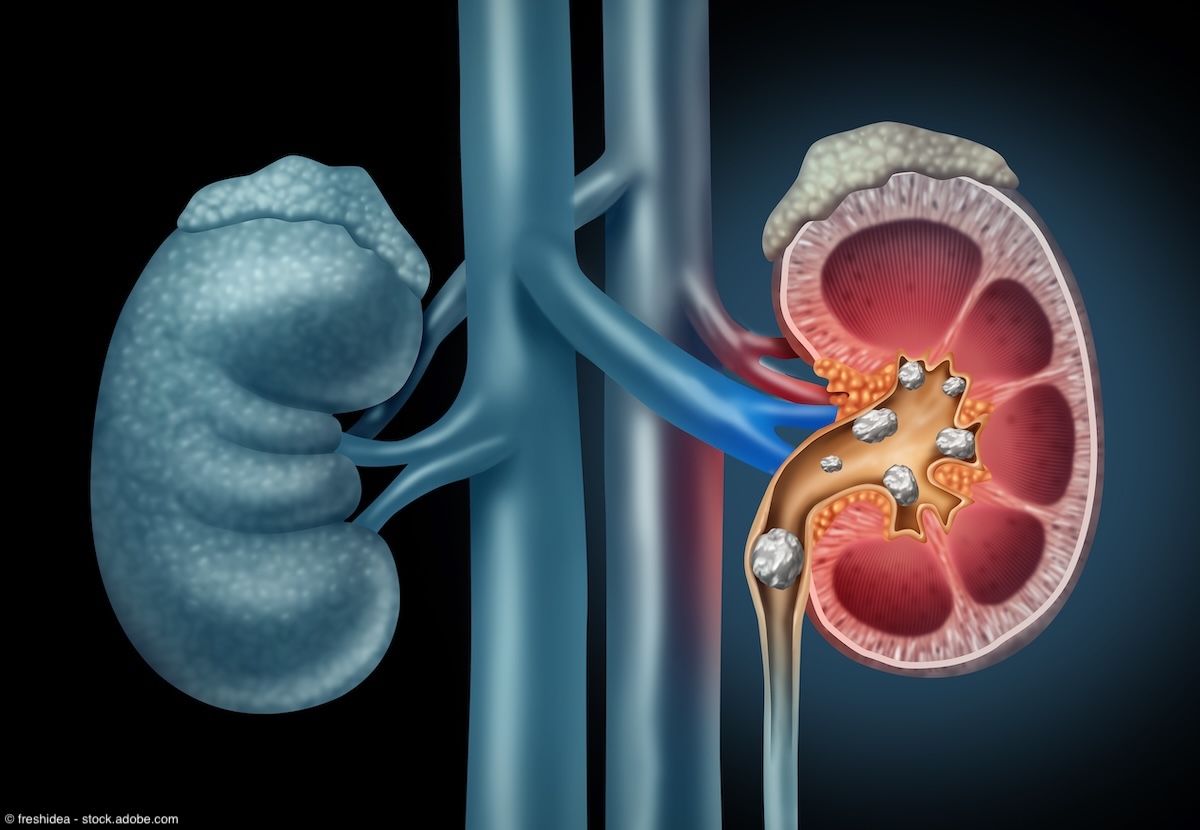
urolithiasis on the rise globally, despite Declining Age-Standardized rates
The global incidence and mortality rates of urolithiasis-commonly known as kidney stones-have increased substantially over the past three decades, presenting a growing healthcare challenge worldwide. However, a new study reveals a more nuanced picture, showing that while overall numbers are up, age-standardized rates are actually decreasing.
Study Findings: A Global Analysis
Researchers assessed data from the global Burden of Diseases, Injuries, and Risk Factors Study (GBD) 2021, analyzing trends from 1990 to 2021 across 204 countries and territories. the analysis showed an overall increase in the total number of urolithiasis cases, disability-adjusted life years (DALYs), and deaths during this period.
Despite the overall increase, age-standardized rates (ASRs) demonstrated a decline. From 1990 to 2021, the estimated annual percentage change (EAPC) in age-standardized incidence was -0.87 (95% CI, −0.91 to −0.84), and the EAPC in age-standardized DALY rates was −1.15 (95% CI, −1.28 to −1.02). this suggests improvements in prevention or treatment are partially offsetting the increased overall burden.
Meaningful disparities were observed based on age, sex, and socioeconomic status. In 2021, both age-standardized incidence and mortality rates were notably higher in males than in females. Interestingly, data indicated an increasing trend in age-standardized mortality rates among females from 2009 to 2019 (APC, 1.57%).
Did You Know?
Urolithiasis is recognized as the second most expensive urological disease,with its economic burden projected to continue growing. 1
Regional Variations and socioeconomic Factors
The study highlighted regional variations in urolithiasis burden. While age-standardized incidence rates decreased globally,certain areas-including Trinidad and Tobago,the United States Virgin Islands,and Grenada-experienced significant increases during the study period. East Europe had the highest age-standardized incidence, disability, and mortality rates in 2021.
Tropical Latin America showed the greatest increases in age-standardized rates from 1990 to 2021. Researchers attribute this to economic progress, increased access to medical care, and greater use of medical imaging, leading to higher diagnosis rates of asymptomatic stones. “therefore, countries and regions experiencing rapid economic development must be vigilant against the rapid rise in urolithiasis and implement preventive measures,” the authors explained.1
| Region | ASIR (per 100,000) – 2021 | ASDR (per 100,000) – 2021 | ASMR (per 100,000) – 2021 | ASIR EAPC (1990-2021) |
|---|---|---|---|---|
| East Europe | 3557.08 | 22.82 | 0.62 | -0.87 |
| Tropical Latin America | 2388.91 | 16.11 | 0.44 | 1.57 |
| Global Average | 1788.51 | 11.78 | 0.32 | -0.87 |
China’s Progress and Potential Strategies
The study also noted the significant progress made by China in reducing the burden of urolithiasis. In 2021, China’s age-standardized incidence rate was markedly lower than the global average, at 964.70 per 100,000 population (95% UI, 801.26 to 1175.09). The decline in age-standardized rates was also more pronounced in China compared to the global average.
Professor tianxin Lin suggests this success is due to improvements in dietary habits, health education, advancements in healthcare infrastructure, and optimized public health strategies. 2 Thes strategies, the authors argue, should be promoted worldwide.
Pro Tip: Staying well-hydrated is one of the most effective ways to prevent kidney stones. Aim for at least eight glasses of water per day.
The authors concluded that addressing the inequities in urolithiasis burden, particularly in low-SDI countries and among the female population, is crucial.What role can global health organizations play in supporting preventative measures in these regions? and how can healthcare systems better address the rising incidence of kidney stones in women?
REFERENCES
1. Zheng J, Zhang W, Zhang J, et al. Trends and sex disparities in the burden of urolithiasis in 204 countries and territories, 1990-2021. Chin Med J (Engl). 2025. doi:10.1097/CM9.0000000000003622
2.Chinese Medical Journal study reports on the sex disparity and global temporal trends in the disease burden of urolithiasis. News release. Chinese Medical journals Publishing House co., Ltd. August 18,2025. Accessed August 19, 2025. https://www.eurekalert.org/news-releases/1095002
Understanding Urolithiasis: A Long-Term Viewpoint
Urolithiasis, or kidney stones, has been recognized as a health concern for centuries. Historically, the condition was ofen linked to dietary factors and inadequate hydration. Modern understanding emphasizes the role of genetics, metabolic disorders, and certain medical conditions in stone formation.The increasing prevalence of obesity and diabetes is also thought to contribute to the rising incidence of kidney stones globally. Preventative measures, including dietary modifications (reducing sodium and animal protein intake), increased fluid intake, and management of underlying medical conditions, remain the cornerstone of treatment.
Frequently Asked Questions About Kidney Stones
- What are the main symptoms of kidney stones? Severe pain in the side and back, often radiating to the lower abdomen and groin, is a hallmark symptom. Other symptoms include blood in the urine, nausea, and vomiting.
- How is urolithiasis diagnosed? Diagnosis typically involves imaging tests such as X-rays, CT scans, or ultrasounds, along with urine and blood tests.
- What are the common treatment options for kidney stones? Treatment depends on the size and location of the stone. Small stones may pass on their own with increased fluid intake and pain medication. Larger stones may require procedures like shock wave lithotripsy or surgery.
- Can diet prevent kidney stones? Yes, dietary modifications, such as increasing fluid intake and reducing sodium, animal protein, and oxalate-rich foods, can help prevent kidney stone formation.
- Is urolithiasis more common in men or women? Historically, urolithiasis has been more common in men, but recent data suggests the gap is narrowing, with increasing rates observed in women.
This article provides data for general knowledge and informational purposes only, and does not constitute medical advice.It is essential to consult with a qualified healthcare professional for any health concerns or before making any decisions related to your health or treatment.
We hope you found this article insightful. Please share it with your network, leave a comment below, or subscribe to our newsletter for more updates on global health trends!
