
A Shift to teh Right in Germany: Economic Policies and Social Welfare Under Scrutiny
Germany is experiencing a rise in poverty,with the percentage of the population living below the poverty line increasing from 14.5% to 16.3%. This trend appears unlikely to reverse under the current government, a coalition led by the Christian Democrats (CDU).
The new Chancellor, Friedrich Merz, presents himself as representing the upper-middle class, but his personal wealth – including ownership of a private jet and a background as a manager at BlackRock – paints a different picture. His proposed solution to stimulate economic growth, echoed by Economy Minister Katherina Reiche, centers on increasing working hours and extending the length of working lives for german citizens.
Early economic decisions by the government have sparked criticism. Subsidies aimed at lowering energy prices were initially directed towards agriculture and industry, leaving small businesses and households without relief – a move described as a redistribution of wealth from the bottom to the top and a broken promise made upon forming the government.
The internal dynamics of the governing coalition raise questions about whether the Social Democrats (SPD) will effectively counter the CDU’s more conservative policies. While labor minister Bärbel Bas, a co-leader of the SPD with a working-class background, has pledged to avoid major social cuts, her fellow co-leader, Finance Minister and Vice-Chancellor Lars Klingbeil, aligns with the conservative Seeheimer Kreis faction within the SPD and has appointed loyalists to key government positions.
Bas faces a critically important challenge as the government prepares to revisit the Citizens’ allowance program – Germany’s welfare system for those with insufficient income - after the summer parliamentary recess. The program is under attack from right-wing and far-right politicians and the influential tabloid Bild, who focus on instances of alleged fraud. Critics demand stricter sanctions for those who decline job offers that don’t match their qualifications and reductions in housing support.
However, the debate overlooks the growing number of employed individuals relying on Citizens’ allowance due to stagnant wages failing to keep pace with inflation. Despite the intense scrutiny, fraud within the program accounts for only €260 million annually, a minuscule amount compared to the estimated €100 billion lost each year to tax avoidance by multinational corporations utilizing offshore accounts and loopholes.
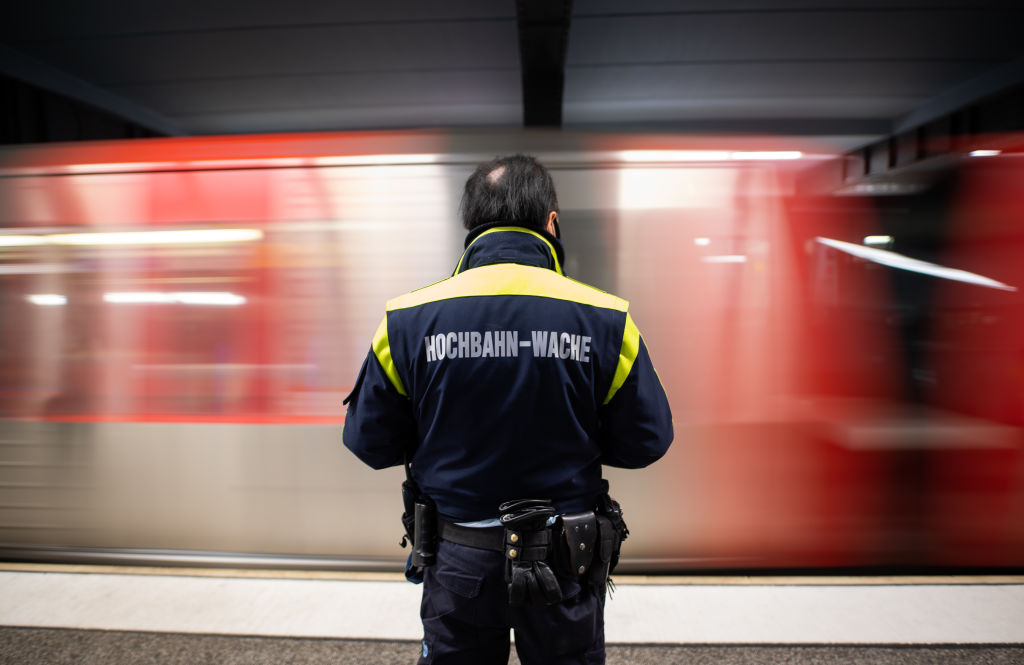
Meanwhile, a push to decriminalize fare evasion, a cause championed by the Freedom organization, hinges on the SPD’s commitment to its stated position. The SPD controls the Justice Ministry and has previously advocated for abolishing the outdated law.
In a provocative act of protest, Freedom plans to commemorate the ninetieth anniversary of the law criminalizing fare evasion this September by raising funds to pay the fines of imprisoned tax dodgers, aiming for what they call “the largest prisoner liberation in the history of the Federal Republic of Germany.”
