
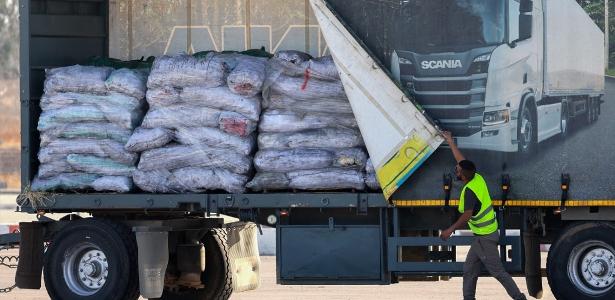
Aid Delivery to Gaza Faces Delays Despite Massive Food Stockpiles
The Urgent Need for Humanitarian Assistance
Despite the critical need for humanitarian aid in Gaza, delivery of essential supplies faces important delays. United Nations (UN) teams report that the first trucks from the World Food Program (WFP) only arrived in Gaza last night, delivering flour to some bakeries. This initial delivery marks a small step in addressing the widespread food shortages, but the scale of the crisis demands a much larger and more consistent flow of aid.
Initial Relief Efforts and Ongoing Challenges
The limited aid reaching Gaza includes contributions from various UN agencies. The United Nations ChildrenS Fund (UNICEF) and the World Health Organization (WHO) are providing special foods, vaccines, and surgical supplies. While these efforts are crucial, they represent only a fraction of what is required to meet the needs of the population.
We were able to distribute the first aid supplies in Gaza.This is a small glimpse of hope, but very little in view of necessity. Hundreds of trucks would be needed every day. They are on the other side of the border.
Martin Frick, head of the UN World Food Program, to deutsche Welle
The Bottleneck: Where Are the Supplies?
A significant amount of aid is currently held up at border crossings. the WFP has over 116,000 tons of food in Egypt, Jordan, and Israel, enough to feed one million people for about four months. Additionally, the United Nations Relief and Works Agency for Palestine Refugees in the Near East (UNRWA) has almost 3,000 trucks loaded and ready to proceed once authorization is granted.
Obstacles to Aid Delivery
Several factors contribute to the delays. Only one border passage is open for aid entry. Furthermore, the aid must be transferred to other trucks at the border. These convoys must also await Israeli military coordination to ensure safe passage along the planned routes.
