
Jamaica Faces Long Road to Recovery as Mothers Navigate Life After Hurricane Melissa
Kingston, Jamaica – In the wake of Hurricane Melissa, hundreds of thousands of Jamaicans are grappling with widespread devastation, with families forced to rebuild their lives from the ruins of their homes. The hurricane left 36 percent of houses in the western part of the country damaged or destroyed,displacing nearly half a million people and creating a humanitarian crisis demanding urgent attention.
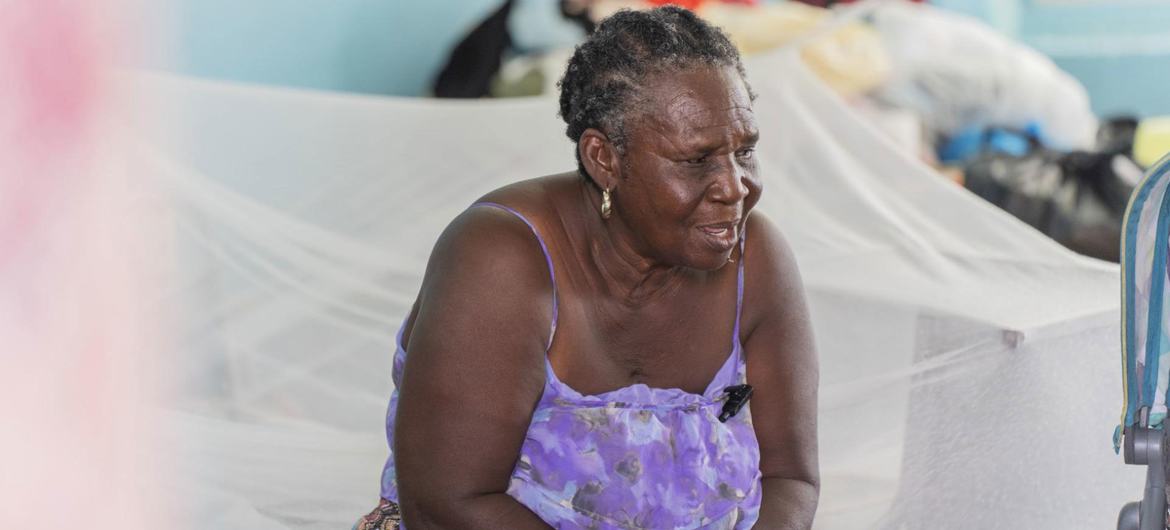
The storm transformed schools into emergency shelters, severing access to essential services like power and clean water for days. Amidst the wreckage, stories of resilience are emerging, notably from mothers like Rose, Sharon, and Sonia, whose lives were irrevocably altered by the disaster.
Rose,who lived in a donated wooden home for nine years,now stands with only a foundation remaining. “I have a key to the house but no house,” she lamented, describing the scene as reeking of mud and decay, with nothing salvageable.She, along with her son, also lost their jobs in the tourism sector when businesses in Negril were forced to close.
Sharon, now sheltering with her two young children, experienced the collapse of both her home and her father’s. Her position as a gas station supervisor is indefinitely suspended, and her children are sleeping on desks in the heat of the shelter.
Sonia,fleeing her coastal home with her grandson who has a heart condition,recounted a desperate escape. “I can’t swim, so I grabbed him and ran,” she said.
As of December 4, 2025, more than 1,100 people remain in 88 shelters across jamaica, and over 120,000 households require urgent repairs. The International Institution for Migration (IOM) is actively supporting the Jamaican government and the broader UN response, providing critical aid including tarpaulins, shelter repair materials, hygiene kits, and generators.
Despite the immense loss and uncertainty, a spirit of community and shared support is emerging within the shelters, with families offering what little they have to one another. The road to recovery will be long, but for Rose, Sharon, Sonia, and countless others, the support of their communities offers a fragile hope for rebuilding their futures.
