
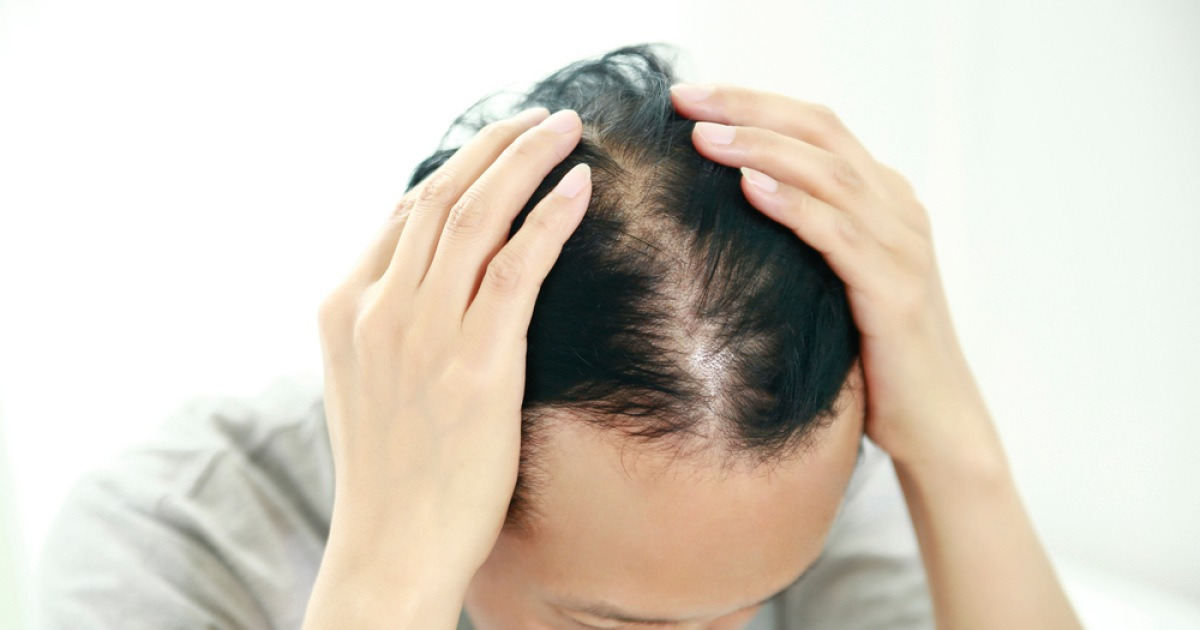
Stem cell Therapy Offers New Hope for Hair Loss Sufferers
Seoul, South Korea – As the number of individuals experiencing hair loss reaches an estimated 10 million in South Korea, a groundbreaking approach using self-derived stem cells is gaining traction as a potential solution.Researchers are exploring stem cell therapy‘s ability to regenerate hair follicles, offering a new avenue for those seeking to combat thinning hair and baldness.
The Science Behind Stem cell Hair Restoration
According to a recent study by the 365mc hospital, growth factors secreted by stem cells can positively influence the scalp’s regenerative environment, aiding in the restoration of hair follicle function. This process involves injecting stem cells,typically harvested from the patient’s own fat tissue,into the scalp [1].
Did You Know? Stem cells derived from fat tissue contain approximately 500 times more stem cells than bone marrow and 25,000 times more than umbilical cord blood.
Traditional hair loss treatments, such as minoxidil and finasteride, often come with drawbacks like long-term use requirements, potential side effects, and cost considerations. Hair transplantation,while effective,can be invasive and expensive. stem cell therapy presents a less invasive alternative by stimulating cell regeneration around the hair follicles, potentially leading to thicker and healthier hair growth.
How Adipose Stem Cells are Revolutionizing Hair Loss Treatment
Huh Chang-hoon, a dermatology professor at Seoul National University Hospital, explains that stem cells release various growth factors that support cell growth around hair follicles, ultimately promoting thicker hair. Adipose stem cells, easily extracted from areas like the abdomen or thighs, are proving notably effective due to their high stem cell concentration [2].
Pro Tip: Maintaining a healthy diet rich in vitamins and minerals can further support hair follicle health during stem cell therapy.
Beyond hair loss, research indicates that adipose stem cells are showing promise in treating other conditions, including arthritis, soft tissue damage, and even reduced reproductive function. Studies have demonstrated improved pain and function in knee osteoarthritis patients following stem cell injections, and some research suggests potential benefits for women experiencing early menopause [3].
The Future of Stem Cell Therapy
Kim Jong-un, head of the 365mc Ol-New Nam Headquarters, emphasizes the need for stem cells to be considered a thorough treatment option for systemic diseases, including hair loss, soft tissue damage, and diminished ovarian function. As research progresses, stem cell therapy holds the potential to become a valuable asset in regenerative medicine.
| Treatment | Pros | Cons |
|---|---|---|
| Minoxidil | Over-the-counter, easy to use | Requires long-term use, potential side effects |
| Finasteride | Effective for male pattern baldness | Prescription required, potential side effects |
| Hair Transplantation | Permanent results | Invasive, expensive |
| Stem Cell Therapy | Less invasive, utilizes patient’s own cells | Still under research, long-term effects unknown |
Understanding Hair Loss: An Evergreen Perspective
Hair loss, or alopecia, affects millions worldwide and can stem from various factors, including genetics, hormonal imbalances, medical conditions, and stress. While aging is a natural contributor, hair loss can substantially impact self-esteem and quality of life.The pursuit of effective treatments has led to ongoing research and innovation in the field of dermatology.
Historically,treatments have focused on slowing hair loss or transplanting existing hair follicles.However, regenerative medicine, particularly stem cell therapy, offers a new paradigm by aiming to stimulate the growth of new hair follicles and restore scalp health. As research continues, stem cell therapy may become a cornerstone in the fight against hair loss.
Frequently Asked Questions about stem Cell Therapy for Hair Loss
This section addresses common questions about stem cell therapy for hair loss, providing clear and concise answers based on current research and expert opinions.
Disclaimer: This article provides facts about stem cell therapy for hair loss and should not be considered medical advice. Consult with a qualified healthcare professional for personalized guidance and treatment options.
What are your thoughts on stem cell therapy for hair loss? Would you consider this treatment option? Share your comments below!
