
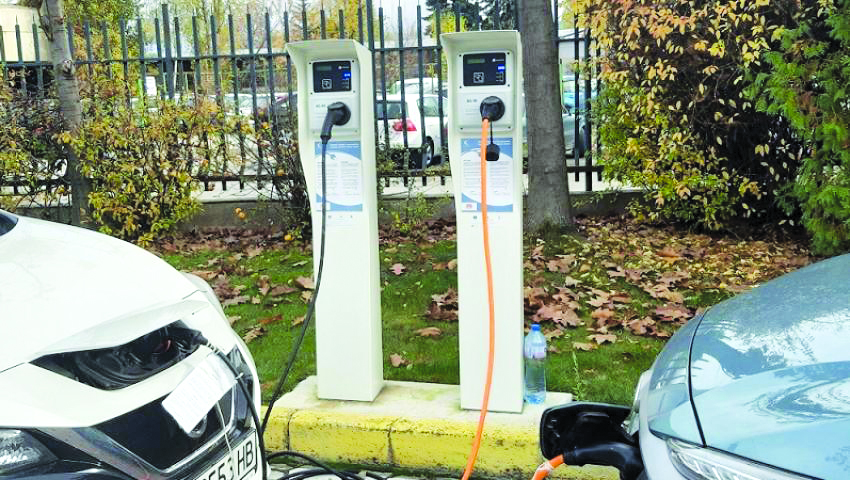
EU Backtracks on 2035 Combustion Engine Ban, Considers Biofuels and Hybrid Options
brussels – The European Commission is poised to revise its ambitious plan to effectively ban the sale of new gasoline and diesel cars by 2035, signaling a important shift in policy driven by slowing electric vehicle (EV) adoption and growing industry concerns. Reuters reports the EC will present a revised strategy by year-end, potentially allowing for continued use of internal combustion engines powered by CO2-neutral fuels like biofuels, and extending a role for plug-in hybrid vehicles.
The move follows a Friday meeting between EC president Ursula von der Leyen and leaders from major automotive companies, grappling with weak EV demand in Europe, US tariffs, and increasing competition from Chinese electric vehicles. The original plan, aiming for a 100% reduction in CO2 emissions from new vehicles, was widely interpreted as phasing out internal combustion engines.
The review,slated to begin in 2026,will particularly focus on the van sector,where electric vehicles currently hold only an 8.5% market share – roughly half that of passenger cars. deputy Commission Chairman Stefan Sjurve highlighted this disparity.
“The industry should not be restricted to one decision,” stated German Chancellor Friedrich Merz at the IA Mobility show in Munich, Europe’s largest automotive display.
Volkswagen, Europe’s largest automaker, supports the overall zero-emissions goal but is advocating for greater flexibility and transitional measures. The company is seeking inclusion of CO2-neutral fuels, relief for smaller manufacturers, and a more phased approach.
the Commission is also considering linking the revised CO2 targets to legislation on decarbonizing corporate fleets, which account for approximately 60% of new car sales in the EU.A new regulatory category for smaller electric vehicles, potentially benefiting from lower taxes and additional subsidies, is also under consideration.
Alongside the shift in emissions standards, the EU is prioritizing the development of local battery production and automotive component manufacturing. While investment from China has increased following the introduction of duties on Chinese EV imports, Brussels aims to prevent a scenario where European assembly lines rely heavily on Chinese-made parts and batteries. The EU seeks to establish clear conditions for foreign investment and equipment suppliers to ensure a more localized supply chain.
