
Dutch Woman Dies of Alzheimer’s as Promising Drug Remains Unreimbursed
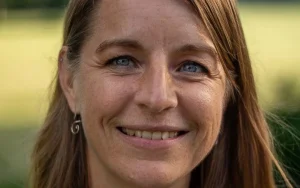
Amsterdam, Netherlands - Esther, a dutch woman, died at the age of 39 after a battle with Alzheimer’s disease, while the drug Lecanemab – shown to slow the disease’s progression – remained unavailable to her through basic health insurance due to ongoing cost-effectiveness assessments. her story highlights growing frustration over delays in accessing potentially life-altering treatments for Alzheimer’s in the netherlands, as patients in Germany and Austria are already receiving the medication.
lecanemab, described as “not a miracle cure, but…an critically important step” towards treating Alzheimer’s, has been under review by the Dutch Healthcare Institute as January. A decision on reimbursement by basic insurance is pending,leaving eligible patients in a difficult position.
“The disease is not waiting for a decision,” writes Jetske van der Schaar,who shared Esther’s story. “How long will we wait while our patients are already being treated abroad? How far behind do we have to fall before we too gain knowledge and experience? How many patients are we willing to lose in the meantime?”
Esther, aware her condition was deteriorating, pre-planned her end-of-life care, even selecting a card for her funeral. According to van der Schaar, Esther expressed regret over lost time, stating, “If all else fails, take me to the nursing home. I’m even working on the card for my funeral.”
The delay in access to Lecanemab mirrors past experiences with other conditions like MS, where initial expensive therapies eventually led to more affordable alternatives. A successor drug, Donanemab (Kisulna), was approved in Europe after more than two years of consideration.
An estimated ten to fifteen thousand patients in the Netherlands are eligible for Lecanemab. The case underscores the urgency for streamlined decision-making processes regarding innovative Alzheimer’s treatments, as the disease continues to progress while patients await access to potentially beneficial therapies.
