
Teh Growing Threat of Cyberattacks on Aviation: A Looming Domino Affect
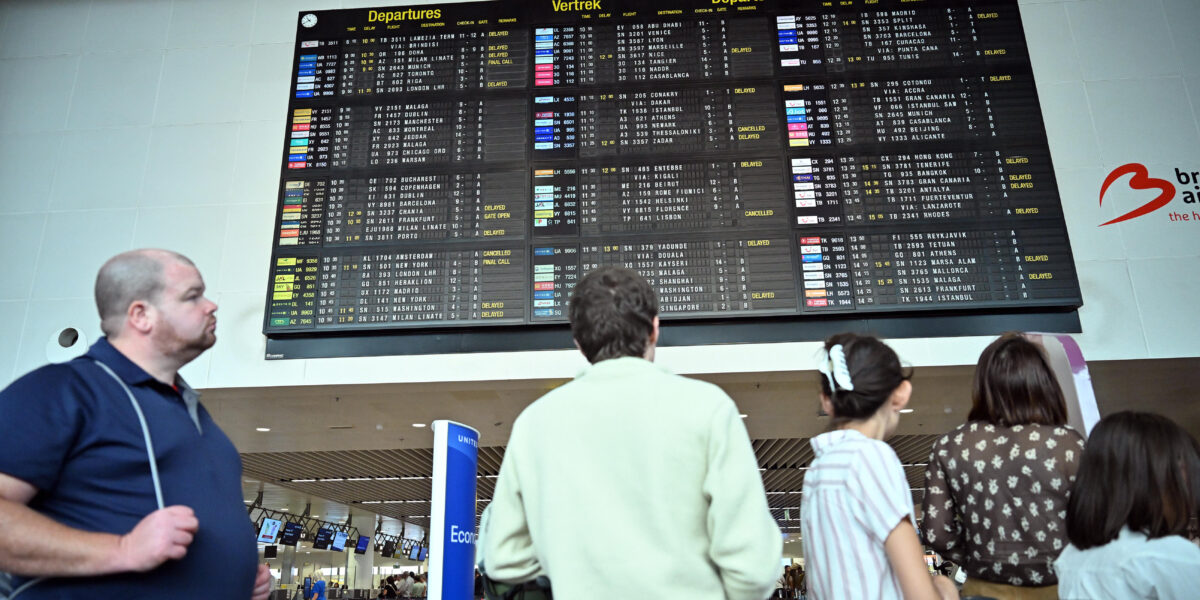
The recent disruptions at major European airports, stemming from a cyberattack, highlight a critical vulnerability within the aviation industry and underscore the escalating threat landscape facing critical infrastructure globally. The incident,impacting flight details displays and check-in systems,serves as a stark warning: the interconnected nature of modern aviation,reliant on a network of IT service providers,creates a potential for cascading failures wiht far-reaching consequences.
The inherent complexity of the aviation ecosystem is a key factor. A single provider can have cross-border effects, and the demand for real-time data availability only amplifies the risk.Any delay in data flow directly impacts crucial operations, from fleet planning too passenger management. This sensitivity makes aviation a notably attractive target for malicious actors.
Cyberattack Pattern: The domino Effect
the threat of sophisticated attacks, like the SolarWinds hack of 2020, has brought this vulnerability into sharp focus. Attackers increasingly target IT service providers whose software is utilized by a vast number of clients. Within aviation,a compromise at a key provider like Collins Aerospace can trigger widespread disruption.
Cybercriminals employ a variety of tactics. These include distributing malware through infected software updates, exploiting stolen privileged administrator credentials to gain system access, deploying ransomware to encrypt systems for extortion, and launching Distributed Denial of Service (DDoS) attacks to overwhelm cloud servers and cause outages.
While the specific technology used in the recent attack remains under inquiry, early indications point towards a ransomware group targeting Collins Aerospace, according to reports based on statements from the European Union Agency for Cybersecurity (ENISA). This incident aligns with a disturbing trend of increasing attacks on critical infrastructure. A report by Thales reveals a staggering 600% increase in cyberattacks targeting the air traffic sector, impacting not only passenger handling systems but also vital navigation and communication infrastructure.
This surge in attacks is fueled by escalating geopolitical tensions, the increasing professionalism of cybercriminal organizations, and the central role aviation plays in both the global economy and national security. The industry is, thus, a prime target.
How Can Aviation Protect Itself?
Experts are advocating for a fundamental shift in approach: cybersecurity must be integrated into operational safety protocols,moving beyond a purely IT-focused perspective.
Essential measures include:
* Patch Management: Promptly addressing and closing identified security vulnerabilities.
* Multi-Layered Defence: Implementing robust security layers, including firewalls, intrusion detection systems, and zero-trust architectures.
* Redundant Systems: Establishing backup servers and offline fallback options for critical applications.
* Training: Equipping employees with the knowledge and skills to respond effectively to cyber emergencies through comprehensive training programs.
* Cooperation: Fostering real-time threat intelligence sharing between airports, airlines, and relevant authorities.
“IT emergency plans are ineffective if they remain solely on paper, lacking practical application or completeness,” emphasizes security expert Ross. “Especially concerning risks originating from external cloud providers,greater resilience is paramount.” A robust cybersecurity strategy must detail the potential failure of critical third-party IT services and outline measures to mitigate the impact of system failures. ”Business Continuity Management (BCM) is key – the ability to maintain operations even during cyberattacks, including those stemming from suppliers,” Ross explains. The current situation demonstrates a clear need for advancement in this area among affected airports.
The Inevitable Next Attack
The recent attack, while primarily impacting check-in procedures, serves as a potent reminder of the fragility of digital infrastructure. What causes inconvenience today - waiting times - could possibly compromise flight safety, navigation systems, or air freight operations tomorrow.This vulnerability isn’t confined to aviation; sectors like energy, healthcare, and finance are equally reliant on complex, globally networked IT service providers, making every weak point a potential systemic risk. The next cyberattack is not a question of if, but when.
