
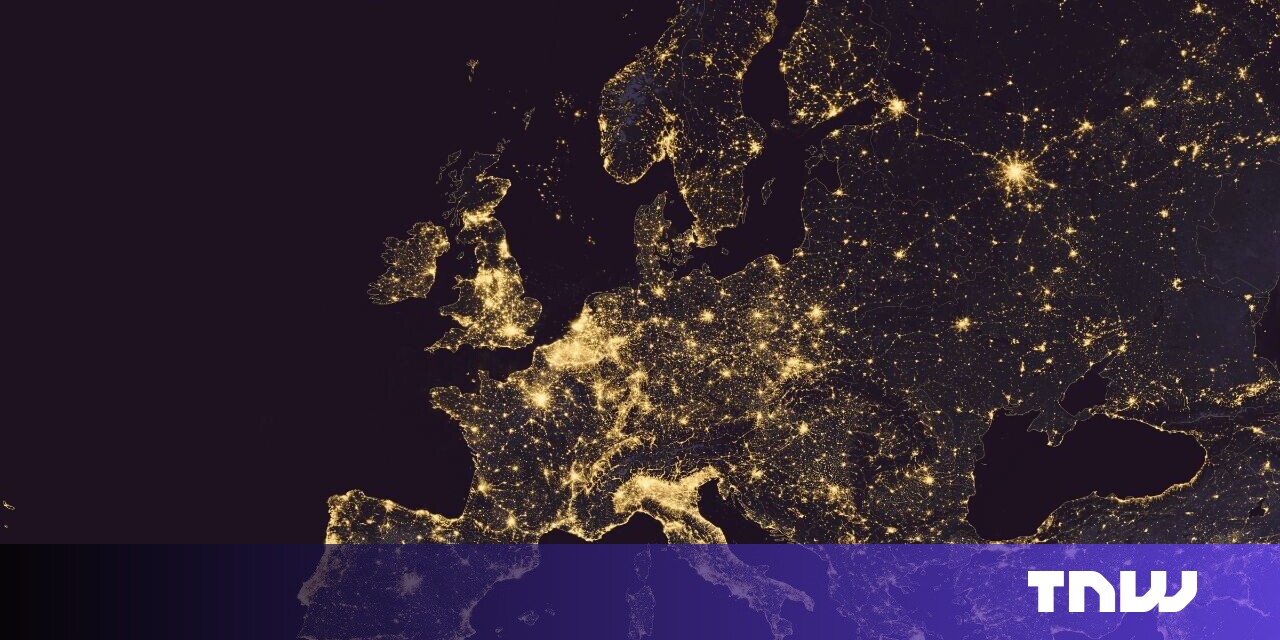
Europe‘s Ascent: A New Hub for Tech Innovation
For decades, Silicon Valley has dominated the global technology landscape. However, a significant shift is underway, with Europe positioning itself as a compelling alternative – and potentially a leader – in the future of tech innovation. This isn’t about replicating the rapid, sometimes unsustainable growth of the US model, but forging a path built on enduring progress, impactful research, and a commitment to core values.
Investment in European deep tech startups is demonstrably increasing, with Germany, France, and the Netherlands experiencing notable upticks in venture capital funding. This financial support, coupled with pan-European initiatives like Horizon Europe and the European Innovation Council, is channeling billions into high-impact research and tech transfer. Thes programs are actively addressing historical gaps in funding and support, fostering a more robust ecosystem for innovation.
While Europe’s approach may differ from the “move fast and break things” ethos of Silicon Valley, it prioritizes scalable, real-world impact.however, acknowledging areas for betterment is crucial. A cultural shift is needed to cultivate a greater sense of ambition, optimism, and relentless drive – qualities historically associated with US entrepreneurship. Europe needs to accelerate it’s pace and embrace a stronger work ethic to fully realize its potential.
This potential is being further amplified by a changing global landscape.The United States, once a magnet for the world’s brightest minds, is facing challenges to its reputation as a haven for open inquiry and intellectual freedom. Recent developments, including restrictions on higher education, politically motivated defunding of research, and rhetoric hostile to scientific facts, are creating an environment of uncertainty.
Consequently, international students and researchers are increasingly choosing alternative destinations, with Canada, Australia, and EU countries gaining prominence. Visa challenges, political instability, and perceived cultural hostility are driving this trend, resulting in a significant brain drain from the US.
Europe is actively capitalizing on this shift, presenting itself as a welcoming environment where science and innovation are valued as public goods, truth is prioritized, and education is considered a right. This message is especially resonant for talent in critical fields like AI ethics, quantum physics, and biotechnology.
It’s significant to acknowledge that Europe is not without its imperfections. Though, the accelerating global competition for talent and innovation presents a unique possibility. By maintaining its commitment to values,clarity,and collaboration,and by fostering a pro-business culture that rewards risk,hard work,and dynamism,Europe can move beyond competition and establish itself as a global leader. The world needs a stable, open, and truthful hub for innovation – a space between the instability of the US and the ideological constraints elsewhere – and Europe is uniquely positioned to fulfill that role.
