
The Weight of Small Dreams: Examining Ethiopia‘s Ambition and Uganda‘s Stalled Progress
Denis Jjuuko, a dialogue and visibility consultant, recently highlighted a stark contrast between Ethiopia’s bold infrastructural development and Uganda’s struggles with project completion and national ambition. His observation isn’t simply about concrete and steel, but about a fundamental difference in national mindset and the consequences of consistently accepting mediocrity.
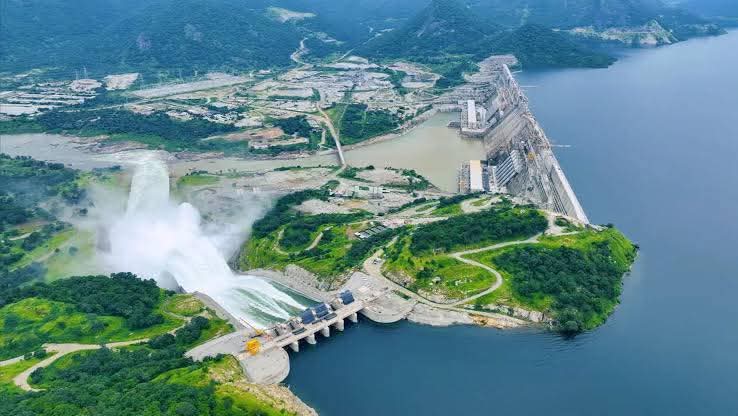
Jjuuko points to recent Ethiopian achievements as evidence of a national drive for large-scale projects. ethiopian Airlines recently opened the Ethiopian Skylight Hotel in Addis Ababa, boasting 1,024 modern rooms. More significantly, the Grand Ethiopian Renaissance Dam (GERD), a 5,150MW hydroelectric project launched a few weeks ago, exemplifies this ambition.Completed in just 14 years at a cost of US$5 billion, the GERD overcame significant hurdles - including protests from Egypt regarding Nile River water usage, funding challenges, and technical complexities – without derailing its progress.
This stands in sharp contrast to projects elsewhere on the continent, and specifically, within Uganda. Jjuuko draws a comparison to the long-delayed Grand Inga Dam in the Democratic Republic of Congo and the protracted timelines for even relatively simple road construction within Uganda, where a single kilometer of dual carriage road can take over a year to complete.
A key factor in Ethiopia’s success, Jjuuko notes, is its funding model. The GERD was largely financed through local contributions – donations and the sale of bonds to Ethiopians both at home and in the diaspora – minimizing reliance on foreign debt. This approach is intended to ensure affordable electricity access for Ethiopians while generating revenue through exports to neighboring countries.
Jjuuko emphasizes the similarities between Ethiopia and Uganda. Both are landlocked East African nations heavily reliant on agriculture,and both face challenges like war,famine,drought,and disease. Uganda recently surpassed Ethiopia as the continent’s largest coffee exporter, tho Ethiopia still produces more, consuming a significant portion domestically.This proximity and shared challenges lead Jjuuko to question what inherent difference allows Ethiopia to achieve so much while Uganda lags.
He poses a series of pointed questions: How can Ethiopia operate an airline with over 150 aircraft while Uganda struggles with a fleet of around six, including leased planes? How can Addis Ababa build flyovers in months while Uganda’s projects take decades? How can Ethiopia complete mega-dams while smaller projects in Uganda face constant delays?
Jjuuko argues that the answer lies in a need for aspiring vision from Ugandan technocrats and a deliberate cultivation of a culture that prioritizes timely achievement.He contends that patriotic rhetoric is insufficient if everyday realities – like perpetually driving over potholes – normalize a sense of acceptance for substandard conditions. This normalization, he warns, breeds self-doubt and stifles ambition.
He suggests that this surroundings limits entrepreneurial aspirations, confining businesspeople to small-scale imports and modest investments, rather than inspiring them to pursue large-scale manufacturing or significant business ventures. Conversely, he posits that witnessing Ethiopia’s ambitious projects – like the GERD and the Skylight Hotel – fosters a sense of possibility and encourages citizens to dream bigger.
(Source: Watchdog Uganda – https://www.watchdoguganda.com/op-ed/20250925/184539)
