
ECB Sounds alarm as Gold Challenges Euro’s Reserve Status
Table of Contents
- ECB Sounds alarm as Gold Challenges Euro’s Reserve Status
The European Central Bank (ECB) is raising concerns about potential instability in the global financial system as gold gains traction as a major global reserve asset, rivaling the euro.the surge in demand for physical gold, driven by nations like China and India, necessitates vigilance to prevent market disruptions and potential bank failures.
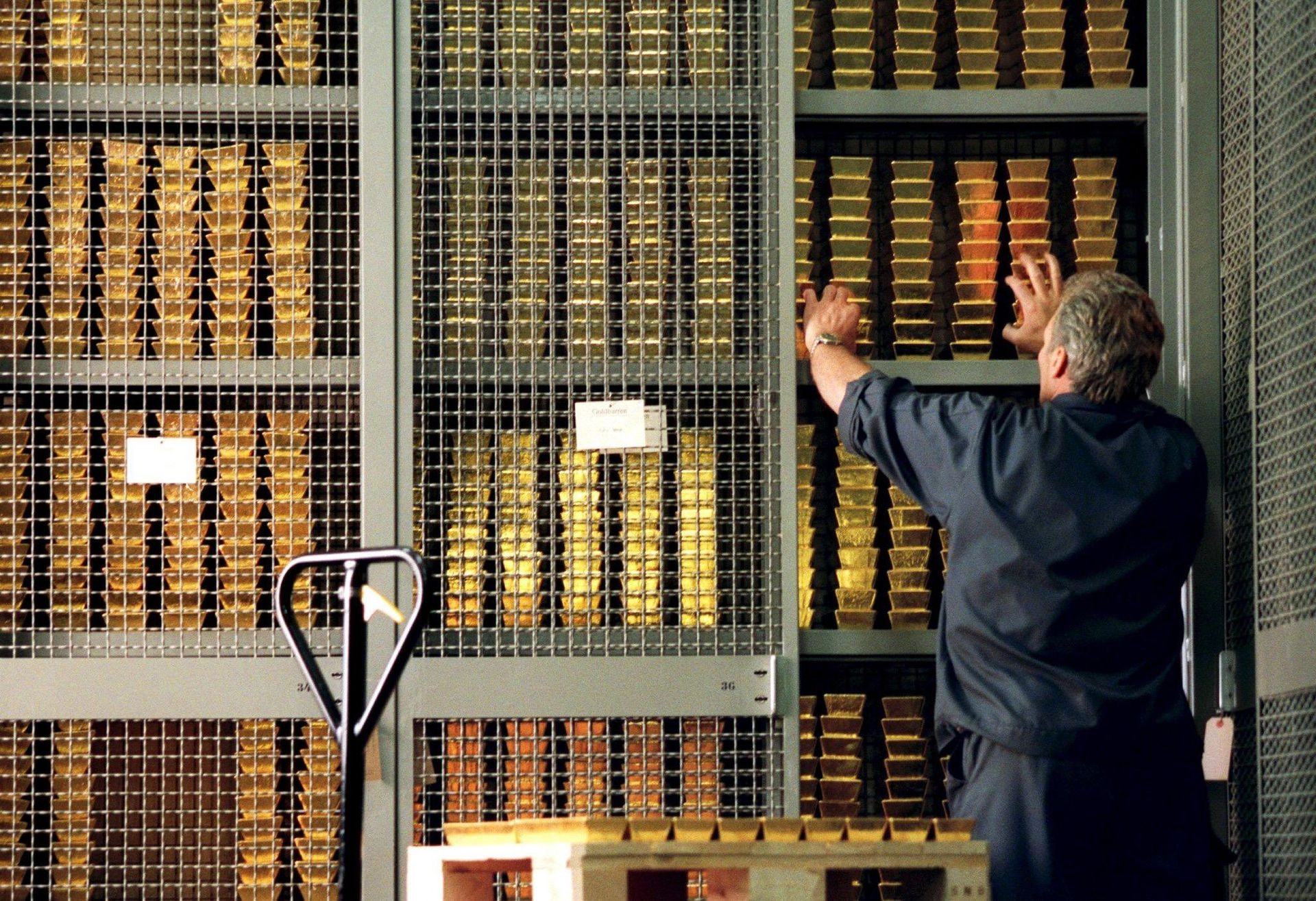
ECB’s warning on physical Gold Demand
The ECB highlights the risks associated with the increasing trend of physically delivered gold contracts. These contracts require the actual delivery of gold, leading to complex logistical challenges. Supply chain disruptions could trigger far-reaching faults, potentially causing individual banks to face bankruptcy.
Did You Know? Central banks globally added 1,037 tonnes of gold in 2022, the highest level since 1967, signaling a shift in reserve asset preferences World Gold Council.
Lagarde’s call for Coordinated Action
ECB President Christine Lagarde advocates for enhanced economic policy coordination within the European Union. She also emphasizes the need for the ECB to play a more active role in global financial markets. Lagarde views the record gold purchases by countries like China and India as indicators of geopolitical shifts, urging Europe to safeguard its financial policy sovereignty.
Pro Tip: Diversifying reserve assets can help mitigate risks associated with currency fluctuations and geopolitical uncertainties.
Potential Market Bottlenecks
Lagarde cautions about potential bottlenecks and market faults arising from the growing interest in physically delivered gold. These issues could rapidly spread to other segments of the financial system. She stresses that central banks must remain vigilant and proactively address structural instabilities, even those originating from seemingly “safe havens” like gold.
Gold vs. Euro: A Reserve Asset Comparison
The rise of gold as a significant reserve asset prompts a comparison with the euro,traditionally a major player in global finance.Central banks are increasingly diversifying their holdings, impacting the balance of power in the financial world.
| Asset | Role | Associated Risks |
|---|---|---|
| Gold | Hedge against inflation, geopolitical uncertainty | Supply chain disruptions, market manipulation |
| Euro | trade facilitation, reserve currency | Monetary policy risks, economic instability in Eurozone |
Evergreen Insights: The Enduring Appeal of Gold
Gold has historically served as a store of value and a hedge against economic uncertainty. Its appeal often increases during times of geopolitical instability or inflationary pressures. Central banks and individual investors alike turn to gold to preserve wealth and diversify portfolios.
The trend of de-dollarization, where countries seek alternatives to the U.S. dollar for trade and reserves, further fuels gold demand. As nations aim to reduce reliance on a single currency,gold emerges as a viable option.
Frequently Asked Questions About Gold and the Global Economy
Why are countries increasing their gold reserves?
Countries increase their gold reserves as a hedge against currency devaluation, inflation, and geopolitical risks. gold is seen as a safe haven asset that can maintain its value during economic downturns.
How does gold impact currency values?
Increased demand for gold can strengthen a country’s currency, as it signals economic stability and confidence. Conversely, a decrease in gold reserves may weaken a currency.
What role does gold play in investment portfolios?
Gold is often included in investment portfolios to diversify risk and provide a hedge against market volatility. It tends to have a low or negative correlation with other asset classes, such as stocks and bonds.
What are the main drivers of gold prices?
The main drivers of gold prices include interest rates, inflation, currency movements, and geopolitical events. lower interest rates and higher inflation typically boost gold prices.
How can individuals invest in gold?
Individuals can invest in gold through various means, including buying physical gold (bars, coins), investing in gold ETFs (exchange-traded funds), or purchasing shares of gold mining companies.
Disclaimer: This article provides general details and should not be considered financial advice. Consult with a qualified financial advisor before making any investment decisions.
What are your thoughts on the future of gold as a global reserve asset? How should central banks balance the risks and opportunities associated with gold?
Share your insights and join the discussion below!
