
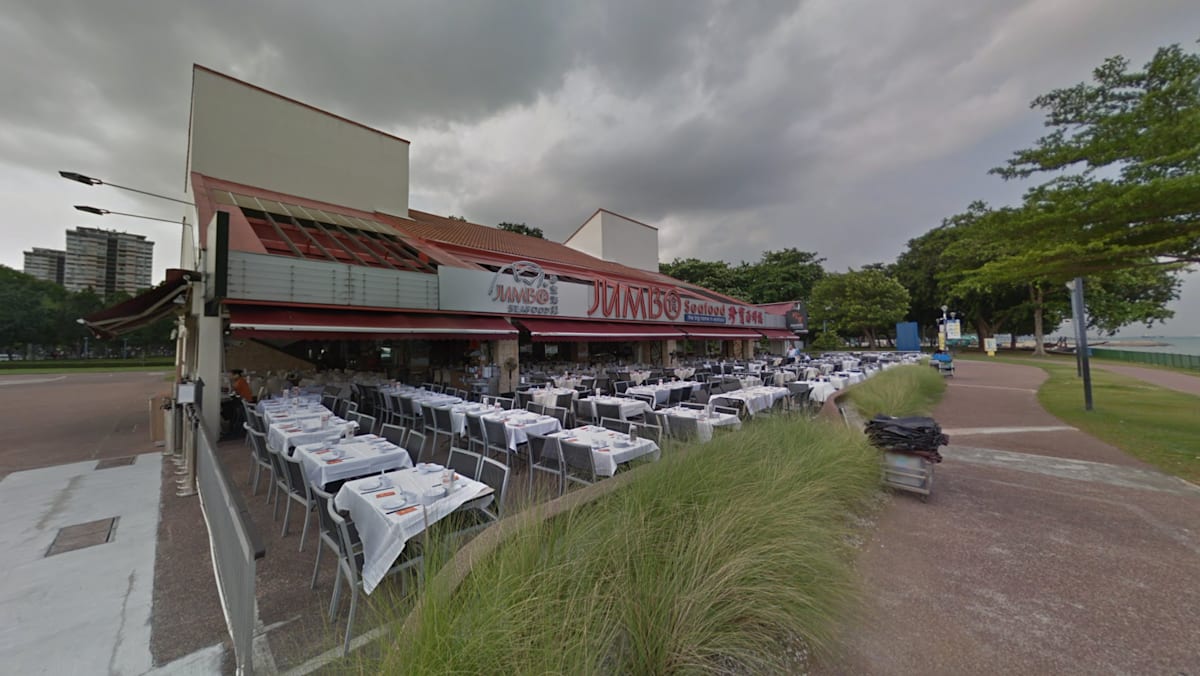
East Coast Seafood Centre Redevelopment: Tenants to Vacate by 2026
NParks is redeveloping the East Coast Seafood Centre, requiring all tenants to vacate by 2026. This urban regeneration project optimizes coastline land use, forcing dozens of seafood operators to relocate or liquidate as they face the sudden evaporation of location-based equity and surging commercial rents across Singapore.
The fiscal reality for these operators is brutal. For a mid-sized seafood establishment, the value of the business isn’t just in the recipes or the staff—it is embedded in the leasehold location. When a government entity like NParks triggers a redevelopment clause, that “location goodwill” is effectively wiped off the balance sheet overnight.
This creates a massive capital expenditure (Capex) shock. Operators aren’t just moving furniture. they are facing the total loss of specialized kitchen fit-outs and the need to secure new deposits in a market where prime F&B space is at a premium. Many of these businesses operate on thin EBITDA margins, often hovering between 10% and 15%, leaving little room for the sudden absorption of relocation costs.
The friction of this transition is where the real risk lies. As tenants scramble to secure new sites, they are finding that the gap between their current operational expenditure (OpEx) and the market rate for new commercial spaces is widening. To navigate these leasehold disputes and exit strategies, many are now engaging corporate law firms to negotiate fair compensation or lease surrender terms.
The Macro Displacement: Three Pillars of Industry Disruption
The closure of the East Coast Seafood Centre is not an isolated event; it is a symptom of Singapore’s broader urban intensification strategy. According to the Urban Redevelopment Authority (URA) Master Plan, the prioritization of public greenery and integrated tourism hubs often comes at the expense of legacy commercial clusters.
- Asset Devaluation and Goodwill Erosion: For legacy operators, the “intrinsic value” of their brand was tied to the East Coast destination. Relocating to a generic mall or a different district destroys the organic footfall patterns, forcing a pivot toward expensive digital customer acquisition.
- The Capex Trap: New builds require adherence to modern BCA (Building and Construction Authority) standards, meaning higher investment in grease traps, ventilation, and fire safety. This surge in upfront costs can cripple the liquidity of a family-run business.
- Supply Chain Fragmentation: Seafood logistics are hyper-local. Moving a cluster of restaurants breaks the symbiotic relationship with local wet-market suppliers who serviced the center, increasing “last-mile” delivery costs and impacting raw material margins.
Liquidity is the only thing that matters right now.

Institutional investors view this as a consolidation play. When legacy hubs vanish, the market share typically shifts toward larger F&B groups with the balance sheet capacity to absorb relocation costs and the leverage to negotiate better terms with landlords.
“We are seeing a systemic shift in the F&B landscape. The era of the ‘destination cluster’ is being replaced by integrated, high-yield commercial hubs. For the compact operator, the inability to amortize relocation costs over a long-term lease is a death sentence.” — Marcus Chen, Managing Director of Asia-Pacific Commercial Real Estate Insights.
The Balance Sheet Battle: OpEx vs. Survival
Looking at the raw data from the Singapore Department of Statistics, the F&B sector has faced a steady climb in rental costs, compounded by labor shortages. When you add a forced relocation to this mix, the internal rate of return (IRR) for continuing operations often turns negative.
The financial problem is simple: the cost of staying in business exceeds the projected revenue growth of a new, unproven location. For many, the only viable path is a strategic pivot toward “dark kitchens” or a scaled-down boutique model. However, pivoting requires a roadmap that most legacy operators lack.
To avoid total collapse, firms are increasingly relying on business continuity consultants to map out transition phases that preserve cash flow while migrating the customer base to new coordinates.
The risk of “tenant churn” is high. If a significant percentage of the East Coast Seafood Centre’s anchor tenants fail to relocate, the regional seafood ecosystem loses its critical mass, potentially lowering the valuation of surrounding commercial properties.
The Search for New Footprints
The race for replacement space is already underway. With the 2026 deadline looming, the competition for available F&B lots in the East is intensifying. This represents creating a “landlord’s market,” where lease terms are becoming more aggressive, often including shorter lock-in periods and higher base rents with aggressive turnover rent clauses.

Operators cannot afford to wing this. Securing a site that maintains the same demographic reach requires sophisticated market analysis and aggressive negotiation. This is why the role of commercial real estate brokers has become central to the survival of these businesses; they provide the off-market access necessary to find viable alternatives before they hit the public portals.
The broader implication is a shift toward “corporate-backed” F&B. The family-run seafood stall is being priced out by venture-backed concepts that can treat relocation as a tax-deductible expansion rather than a catastrophic loss.
The East Coast Seafood Centre redevelopment is a case study in the volatility of land-use policy. While the resulting greenery and infrastructure will benefit the public, the fiscal burden is being borne by the small business owners who built the area’s reputation. As we move into the final quarters leading up to the 2026 exodus, the divide between those who can pivot and those who will perish will be defined by their access to professional B2B advisory services.
The market doesn’t reward sentiment; it rewards agility. For those still operating in the shadow of the 2026 deadline, the window for strategic reallocation is closing. To find vetted partners capable of managing this transition—from legal counsel to real estate strategists—the World Today News Directory remains the primary resource for institutional-grade B2B connections.