
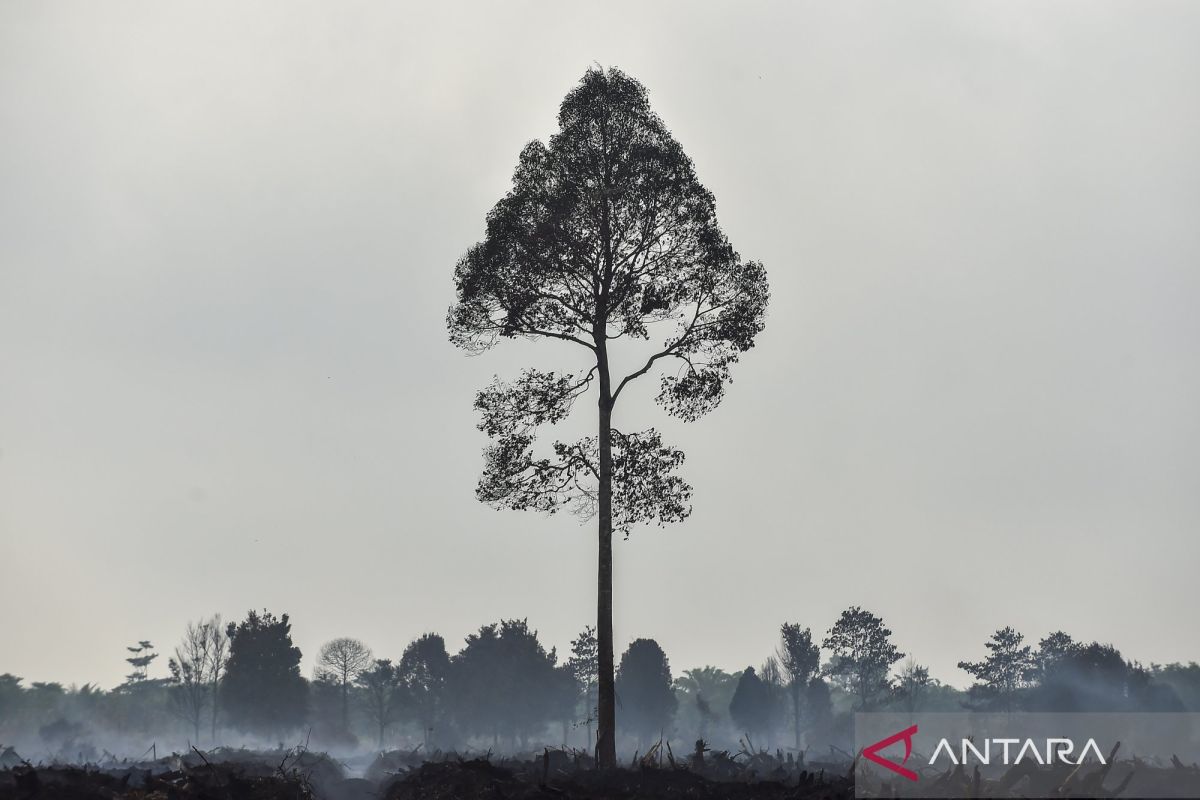
East Kalimantan Faces Prolonged Drought Risk Through October
Hotspots detected as dry season grips key regions
Residents of East Kalimantan are urged to remain vigilant as meteorologists predict an extended dry spell, potentially lasting until October. The Meteorology, Climatology, and Geophysics Agency (BMKG) has flagged several areas as officially entering the dry season, raising concerns over wildfire risks.
Dry Season Deepens, Wildfire Threat Looms
According to the BMKG’s analysis from July 20, districts such as Paser, Kutai Kartanegara, and parts of Kutai Timur are now experiencing the dry season. Amidst the lack of consistent rainfall, the BMKG’s Sultan Aji Muhammad Sulaiman (SAMS) Sepinggan Balikpapan Station Head, **Kukuh Ribudiyanto**, reported the detection of numerous hotspots, indicators of potential wildfires.
Extensive Hotspot Activity Recorded
On July 29, a significant number of hotspots were identified across East Kalimantan. Eight locations in Kutai Timur and Berau showed a high probability of fires, while over 100 additional sites exhibited low to moderate confidence levels for such activity. Despite the widespread drought conditions experienced over the past ten days, **Ribudiyanto** clarified that the current dry season is not entirely devoid of moisture.
Outlook: Patchy Rainfall but Persistent Deficit Risk
Low-intensity rainfall may still occur, but its distribution across the province is expected to be highly variable. Low-intensity rain is expected to occur in August and September, but we need to remain cautious about a water deficit or drought until early October,
**Ribudiyanto** stated, underscoring the necessity for continued awareness and preparedness.
This dry period mirrors similar weather patterns observed in other parts of Indonesia. For instance, a recent report indicated that the El Niño phenomenon has contributed to reduced rainfall across much of the archipelago, increasing the vulnerability of forest and land areas to fires. (Source: BMKG 2025)
