
A man has been arrested in India for allegedly creating and distributing deepfake pornography of women using artificial intelligence, sparking renewed calls for stronger regulations around generative AI.
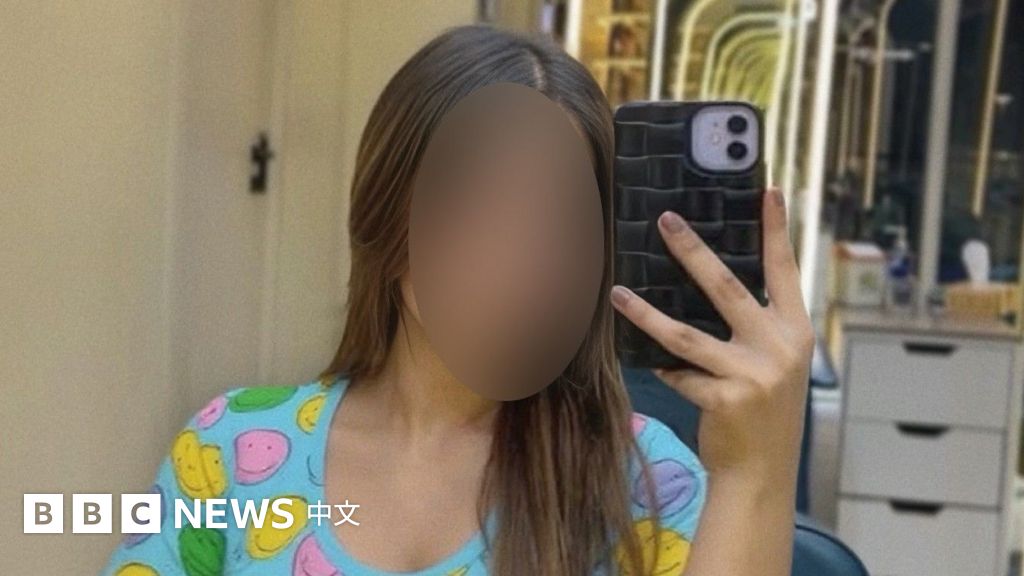
The accused,identified as Mr. Bora, reportedly used AI to generate explicit images and videos of women without their consent, including those of a woman named Sanchi. The “Doll Archie” instagram account, believed to be operated by Bora, allegedly posted 282 such items before being made private. While the account is no longer publicly accessible, the BBC has reported that the content may still be circulating on social media.
Meghna Bal, an AI expert and attorney, described Sanchi’s experience as “terrible, but almost impractical to stop.” She noted that while legal avenues like the “right to be forgotten” exist, fully erasing such content from the internet is a significant challenge. Bal drew parallels between Sanchi’s situation and the broader issue of revenge porn, where intimate images and videos are shared without consent.
Bal explained that while AI has made the creation of such content easier, the prevalence of these incidents might be underestimated due to stigma or victims’ unawareness. She also pointed out that viewers often lack the incentive to report such content to social media platforms or cybercrime authorities.
Mr. Bora faces charges including sexual harassment, dissemination of obscene materials, defamation, damage to reputation, identity fraud, and cybercrime. Conviction could lead to a prison sentence of up to ten years.
the case has ignited public outrage online,with many demanding stricter laws to combat AI-generated abuse. Bal believes existing laws are largely sufficient for current cases but acknowledges that the legal framework for generative AI companies requires further examination. she cautioned, though, that laws must be carefully crafted to avoid stifling freedom of speech, as deepfake technology itself is not inherently malicious and can have legitimate uses.
