
England’s Resident Doctors Face Potential Strikes Amid Pay Dispute
A looming showdown between England’s resident doctors adn the government is intensifying as a ballot on industrial action gets underway. Health Secretary Wes Streeting has publicly urged doctors to reject strikes,while the British Medical Association (BMA) champions the need for further pay increases to address years of below-inflation awards.
Streeting’s Plea: “Vote No”
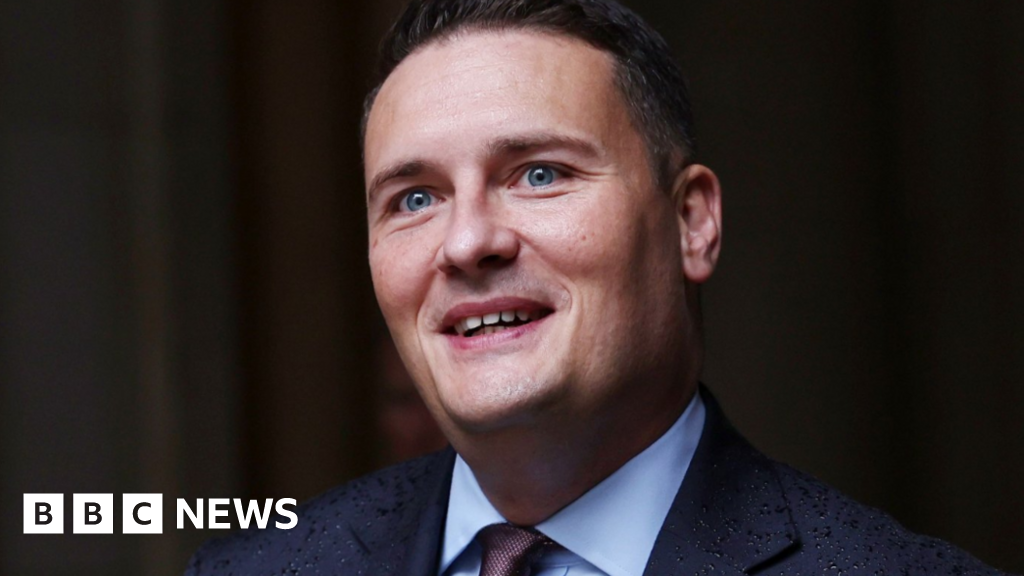
In a recent BBC interview, streeting directly appealed to resident doctors-the contemporary term for junior doctors-to work wiht the government.
He cautioned that strikes could jeopardize the progress being made within the National Health Service (NHS).I don’t think strikes are in their interests, in patients interests and I certainly don’t think it’s in the interest of the NHS
Streeting stated, emphasizing that it was in no-one’s interests for strikes to take place.
Did you know?
Resident doctors in england participated in 11 strikes throughout 2023 and 2024, highlighting the intensity of the ongoing dispute.
The Pay Rise: A Point of contention
Last week, the government announced an average pay rise of 5.4% for resident doctors this year,a figure exceeding that of other doctors,nurses,and teachers. This increase follows rises worth 22% over the previous two years. According to the government, this means the starting salary for a newly qualified doctor has risen by £9,500 over the past three years, reaching approximately £38,800.
Streeting has often cited the deal he reached last year to end the previous round of strikes as evidence of the government’s ability to reform the health service and cut waiting lists.
Pro Tip: Understanding Inflation
Inflation erodes the purchasing power of wages. A pay rise that doesn’t keep pace with inflation effectively means a pay cut in real terms.
BMA’s Response: “Not Enough”
Despite the recent increases, the BMA argues that more is needed to restore wages to their 2008 levels. The association asserts that even with the latest pay rise, an additional 20% increase is necessary to bridge the gap.
We are urging doctors to vote yes to strike action. By voting yes thay will be telling the government there is no choice to fixing pay – this cannot wait for different fiscal circumstances and a healthier NHS. The answer is to fix it today.
Dr. Melissa Ryan and Dr. Ross Nieuwoudt, Resident Doctors’ Committee Co-Chairs
Union’s Stance and Potential Actions
The union is actively encouraging its members to vote in favor of industrial action, with sources indicating that strikes are the most likely course of action if the ballot is prosperous. The vote on industrial action is scheduled to run until July 7.
Government’s Position: No More Funds
Streeting maintains that while his door was always open,
there are no additional funds available to increase salaries beyond the latest award. He warns that further strikes would jeopardize efforts to rebuild the NHS.
Broader Implications
the dispute extends beyond resident doctors. BMA sources suggest that consultants are likely to initiate a dispute process over their 4% pay rise, potentially leading to an industrial action ballot. Other healthcare staff, including nurses, midwives, and physiotherapists, have received a 3.6% increase. The Royal College of Nursing has criticized the situation, calling it grotesque
that nurses are receiving less than doctors for the second consecutive year.
In contrast, the Scottish government has reached an agreement with health unions representing all staff except doctors and dentists, offering a deal worth 8% over two years. Notably, there have been no strikes by health workers in Scotland.
