
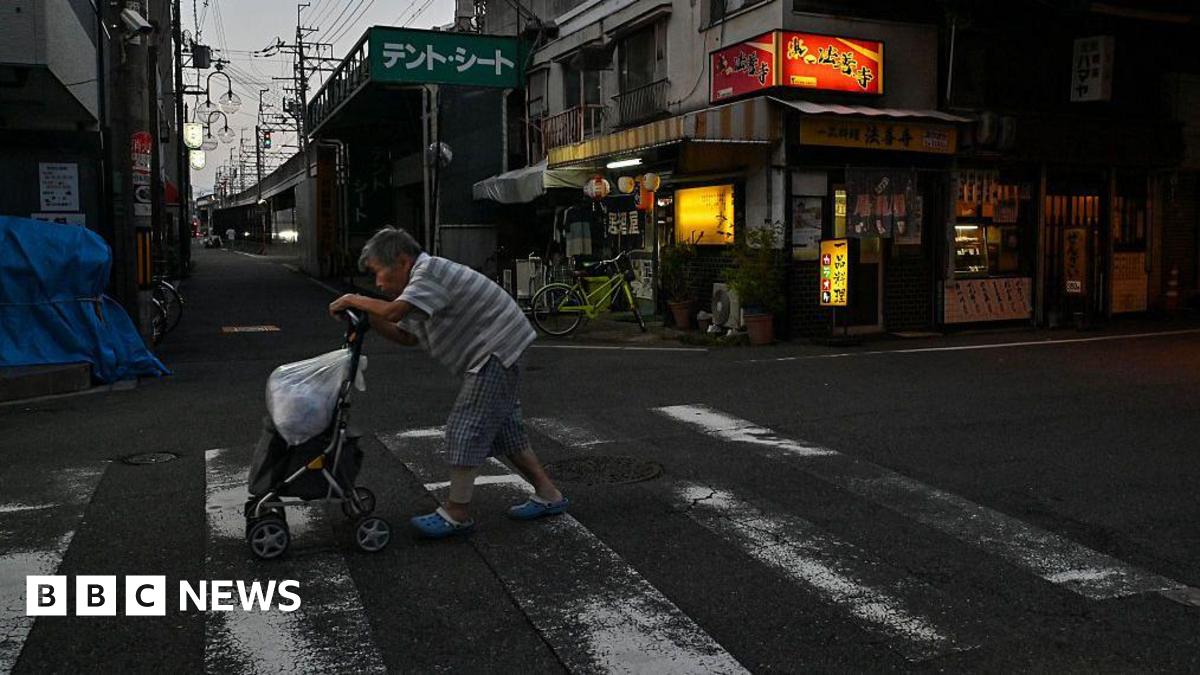
Japan Turns to Tech, But Finds Human Connection Key in Dementia Care
TOKYO – as Japan’s rapidly aging population faces a growing dementia crisis, innovators are exploring the potential of robotics and technology to ease the burden on caregivers. Though,a unique café in Tokyo demonstrates that while technology can assist,it’s the power of human interaction that truly sustains those living with the condition.
Japan has one of the world’s oldest populations, and with that comes a surge in dementia cases. The number of people aged 65 and over is projected to rise sharply in the coming decades, placing immense strain on the country’s healthcare and social support systems. Researchers and companies are responding with assistive technologies,from monitoring devices to robotic companions,designed to help patients maintain independence and reduce the demands on family and professional caregivers.
Waseda University scientist Mr. Miyake emphasizes that technology’s role should be supportive, not replacementary. “Robots should supplement, not substitute, human caregivers,” he stated. “While they may take over some tasks, their main role is to assist both caregivers and patients.”
But the human element remains paramount, as exemplified by the Restaurant of Mistaken Orders in Sengawa, Tokyo. Founded by Akiko Kanna,inspired by her father’s experience with dementia,the café provides a space for individuals with the condition to work as servers,fostering a sense of purpose and engagement.
Customers willingly accept occasional errors in their orders, understanding the café’s unique mission. Toshio Morita, a server at the restaurant, utilizes a simple yet effective method – flowers – to remember which table ordered what. Despite his cognitive decline, Mr. Morita finds joy in the social interaction. “Honestly? I wanted a little pocket money. I like meeting all sorts of people,” he shared. “Everyone’s diffrent – that’s what makes it fun.”
His wife also benefits, finding respite and peace of mind knowing her husband remains active and connected. Kanna’s innovative approach underscores the critical importance of social interventions and community support. While technology offers valuable tools and relief, meaningful engagement and genuine human connection are ultimately what sustain people living with dementia, offering a vital counterpoint to the technological solutions being developed across Japan.
