
New Research Challenges Standard Understanding of Dark Energy and the Universe‘s Fate
Recent research from physicists at the University of Chicago is questioning the long-held assumption that dark energy, the mysterious force driving the accelerating expansion of the universe, is constant. Their work suggests that dark energy may, in fact, evolve over time, and that upcoming astronomical surveys could soon provide definitive answers.
Traditionally, analyses of dark energy have relied on mathematical formulas without grounding in established physics. This new study directly compares physics-based models of evolving dark energy to current observational data, finding that these models offer a better fit than the standard model assuming a constant dark energy density.
The researchers’ models are rooted in particle physics, specifically focusing on hypothetical particles called axions.Frist proposed in the 1970s, axions are also considered potential candidates for dark matter. In this context, an ultra-light version of axions would function as dark energy, remaining constant for the first several billion years of the universe’s history before gradually decreasing in density.
This potential decrease in dark energy density has significant implications for the ultimate fate of the universe. If dark energy is responsible for the accelerating expansion and its strength diminishes, the rate of expansion will also slow. While scenarios like the “Big Rip” (continued accelerating expansion tearing apart the universe) and the “Big Crunch” (eventual collapse of the universe) are possibilities, the researchers’ models point towards a more likely outcome: a “Big Freeze.” This scenario predicts continued, but slowing, accelerated expansion leading to a cold, dark, and increasingly empty universe over billions of years.
Despite these findings, much remains unknown. As Dr. Freiman notes, “We now know precisely how much Dark Energy there is in the universe, but we have no physical understanding of what it is.” He emphasizes the significant gap in our knowledge, stating that understanding dark energy - which constitutes approximately 70% of the universe – is crucial to understanding the universe’s future.
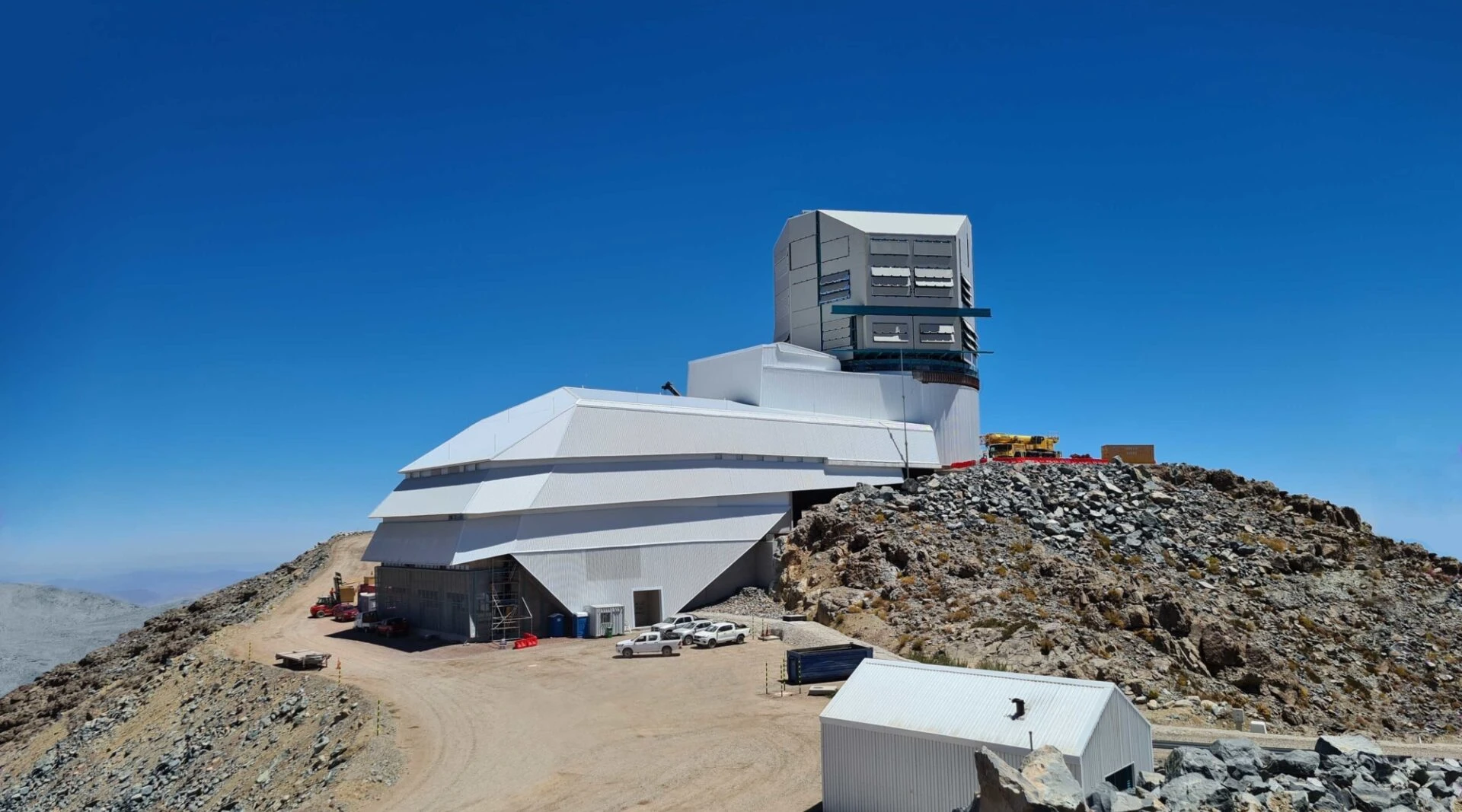
Fortunately, upcoming large-scale surveys like the Dark Energy Spectroscopic Instrument (DESI) and the Vera Rubin Observatory Legacy Survey of Space and Time (LSST) are poised to shed light on this mystery. These surveys will gather data capable of distinguishing between the standard cosmological model (LCDM) and dynamical dark energy models, potentially revealing the true nature of dark energy and solidifying our understanding of the universe’s evolution.
