
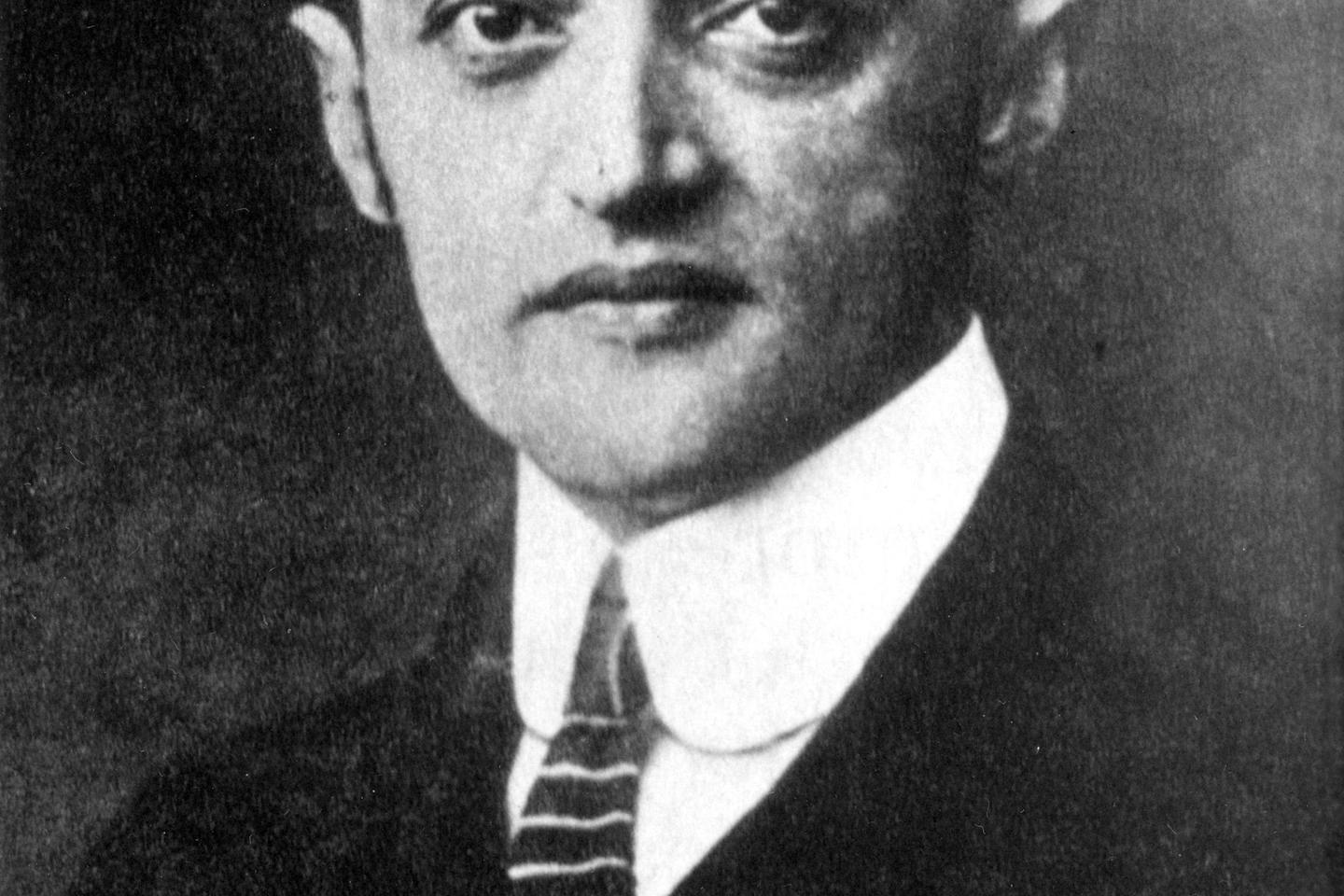
Nobel Laureates Aghion and Howitt formalized schumpeter’s “Creative Destruction” – A Theory Shaping Modern Economics
Cambridge, Massachusetts – The 2025 Nobel Prize in Economics recognizes the groundbreaking work of philippe Aghion, Peter Howitt, and a third innovator in understanding the engine of economic growth: “creative destruction.” This concept, first articulated by austrian economist Joseph Schumpeter, describes the relentless process where new innovations render existing technologies and industries obsolete. Aghion and Howitt, through mathematical modeling developed during a chance hallway encounter at Harvard University in the late 1980s, provided the formal framework for Schumpeter’s observation, transforming it from a “simple curiosity” into a cornerstone of modern economic thought.
Their work filled a critical gap in economic understanding. While Schumpeter, a contemporary of John Maynard Keynes, powerfully described how innovation fuels progress by simultaneously destroying the old, no formal model existed to explain how this process unfolded.aghion and Howitt’s paradigm shifted the focus to the dynamic interplay between innovation and obsolescence, offering a new lens through which to view economic cycles and long-term growth.
Schumpeter, born in 1883 in the Austro-Hungarian Empire and later a professor at Harvard from the 1930s, profoundly influenced generations of economists, including Nobel laureates Paul Samuelson and James Tobin. He argued that innovation isn’t merely additive, but fundamentally disruptive – a force of “creative destruction” that continually reshapes the economic landscape, making yesterday’s successes today’s relics. This core idea is detailed in his seminal 1942 work, Capitalism, Socialism and Democracy.
Aghion himself jokingly notes the serendipitous nature of his collaboration with Howitt: “if Peter had left his door closed, nothing would have happened at all.” At the time, economists were grappling with the origins of technical progress, but lacked a robust model to explain Schumpeter’s insights. Aghion and Howitt’s work provided that model, establishing a new paradigm for understanding economic dynamism.
