
German Scientists Harness “Cold Plasma” to eradicate Remaining Cancer Cells After surgery
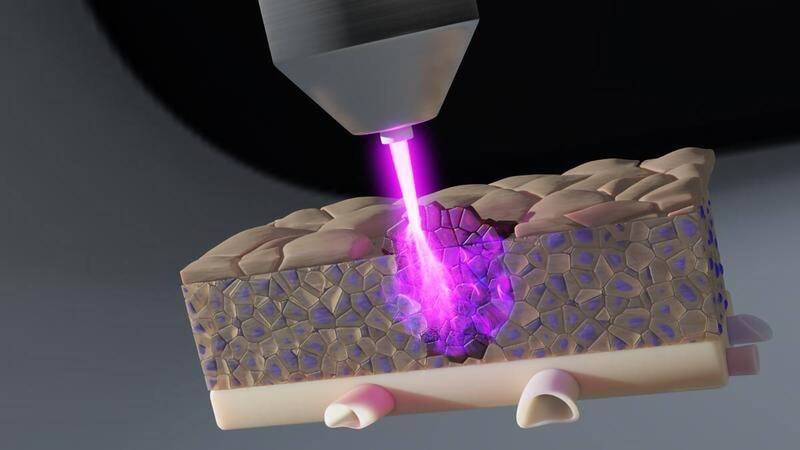
Bonn, Germany – Researchers at the Leibniz Institute for Plasma Science adn Technology (INP) in Germany have demonstrated the effectiveness of a novel “cold plasma” treatment in destroying residual cancer cells following surgical removal of tumors, offering a potential breakthrough in preventing post-operative recurrence. The technology utilizes a handheld device to deliver plasma – an ionized gas – directly to the wound site, targeting and eliminating microscopic cancer cells often left behind after customary surgery.
This research addresses a critical challenge in cancer treatment: the persistence of undetected cancer cells at the edges of the surgical site, which frequently lead to relapse. The INP team’s findings, published in Trends in Biotechnology, suggest that cold plasma can effectively “clean” the battlefield after surgery, particularly for cancers that have spread to surrounding tissues. The treatment’s potential for precision and minimal invasiveness could revolutionize post-operative cancer care, offering a gentler and more effective choice to current methods.
The study identified key molecules, including “peroxynitrite” with its extremely short lifespan, as crucial to the plasma’s destructive effect on cancer cells. These molecules deeply penetrate the tissue, triggering cell death. Researchers simulated post-surgical wound edges in laboratory models and applied plasma using a medically licensed “kINPen plasma injector,” observing a powerful killing effect on remaining tumor cells.
“The more we understand which molecules play a role in tissues, the more we can use plasma devices for specific types of cancer treatments,” stated Prof. Dr. Sander Bekeschus, presenter of the INP Plasma Medicine Research Program. the team anticipates that further research will refine the technology, leading to more effective and targeted cancer therapies.
