
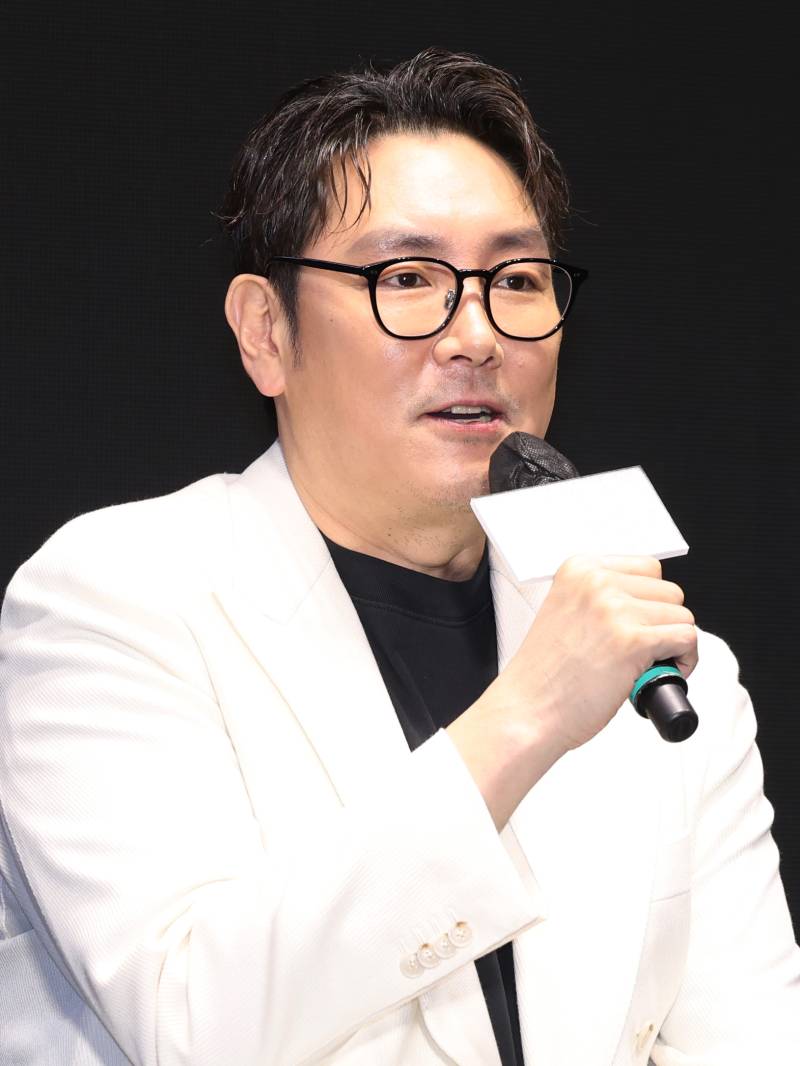
Cho Jin-woong Retires Following Disclosure of Past Juvenile Offenses, sparking Debate on Juvenile Justice
Actor Cho jin-woong announced his retirement from the entertainment industry after a media report detailed offenses committed during his youth, prompting a national conversation about the purpose and request of juvenile law. The revelations have led to public disappointment, given Cho’s recent roles portraying figures of integrity, but also sparked legal debate regarding the right to move past past mistakes.
The controversy began on March 5th when a media outlet reported that cho Jin-woong was subject to a juvenile protection order and sent to a juvenile detention center for offenses including robbery and a violation of the Special Price Act for High School Students (interpreted as a form of sexual assault). The report also alleged a 2003 incident where Cho, then an aspiring actor, was fined for assault and battery against a fellow theater company member, leading to his professional use of his father’s name rather then his own.
Cho Jin-woong’s agency confirmed the actor’s involvement in wrongdoing as a minor, stating, “We have confirmed that he committed wrongdoing when he was a minor. Though, this is based on some confirmed facts, and it is indeed difficult to fully understand the circumstances more than 30 years later, and related legal procedures have already been concluded.” The agency explicitly stated that the offenses did not involve sexual assault.
the news was notably jarring for many fans, as Cho jin-woong had recently cultivated a public image of righteousness through roles as a detective in dramas like ‘Signal’ and films like ‘Solo War,’ as well as through his participation in national events, including serving as a special envoy for the repatriation of General Hong Beom-do’s remains and reciting the national pledge at the 80th Liberation Day ceremony.
Responding to the backlash,Cho Jin-woong announced his retirement on March 6th,stating he would “humbly accept all criticism and will suspend all activities as of today,putting an end to my path as an actor.”
However, legal scholars have argued against this decision. Seoul National University Law School Professor emeritus Han In-seop, in a Facebook post, emphasized that Cho had already faced legal consequences for his actions as a juvenile. Professor Han argued that the juvenile justice system is designed for rehabilitation and education,and that Cho should be commended for building a successful career despite his past. He further criticized the media for attempting to “bury” Cho Jin-woong with decades-old details, arguing that society should not perpetually punish individuals for mistakes made in their youth, especially after legal proceedings have concluded.
The situation has ignited a broader discussion about the balance between public accountability and the principles of juvenile justice, with some expressing feelings of betrayal and others advocating for the right to a fresh start. The case of Cho Jin-woong highlights the complexities of revisiting past offenses and the ongoing debate surrounding the purpose of the juvenile legal system.
(Reporter Lee Joo-in, juin27@edaily.co.kr)
