
China and India Signal Shift in Relations with Partnership pledge at SCO Summit
Tianjin, China – in a notable development signaling a potential thaw in strained relations, Chinese President Xi Jinping and Indian Prime Minister Narendra Modi have publicly affirmed a commitment to partnership during the Shanghai Cooperation Organisation (SCO) summit held this week. The move, observed by analysts, represents a strategic shift as both nations navigate a rapidly changing global order.
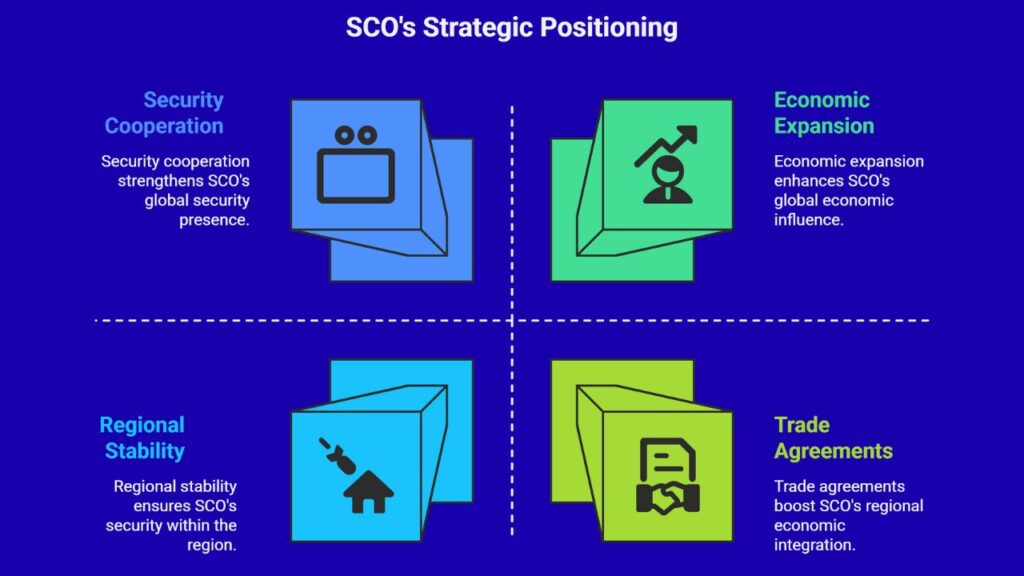
founded in 2001 by China, Russia, and four Central Asian nations, the SCO has evolved from a security-focused institution-initially centered on counter-terrorism-into a broader geopolitical and economic bloc. Today, it includes members India, Pakistan, and Iran, alongside 16 dialog partners and observers. The grouping is frequently viewed as a counterweight to Western alliances like NATO and the G7,championing multipolarity,non-interference,and regional stability.
The summit saw a marked change in tone between the two Asian powers. Leaders employed language emphasizing partnership over confrontation, committing to resume previously suspended exchanges and agreeing to refrain from framing their bilateral relationship through the lens of third-party nations.
Despite ongoing issues – including territorial disputes in Ladakh, trade imbalances, and China’s relationship with Pakistan – the display of cooperation suggests a willingness to move beyond recent tensions. As a former Indian diplomat noted, this represents a “strategic thaw rather than a full reconciliation.”
The shift comes as both China and India reassess their positions in a world where U.S. influence is being challenged, Russia faces sanctions, and emerging economies are seeking greater portrayal.Analysts suggest the move isn’t solely about bilateral ties, but about securing each nation’s place on the global stage.
The summit underscored a growing reality: the balance of global power is increasingly shifting towards Asia, and cooperation between China and India is poised to significantly influence the region’s – and the world’s – future.
Source: BBC and Sky News.
