
Mosquito-Borne Illnesses Rise in France, Raising Concerns for Wider Spread
France is experiencing a significant increase in cases of mosquito-borne illnesses, specifically Chikungunya and Dengue, primarily in teh southern regions of the country. Public health officials have reported over 300 autochthonous (locally acquired) cases of Chikungunya this summer – a record high for mainland France - sparking concerns about potential expansion to previously unaffected areas.
The outbreaks are concentrated in Provence-Alpes-Côte d’Azur, Corsica, Occitania, and Auvergne-Rhône-Alpes. While some localized outbreaks are now considered contained, the overall trend remains worrisome, particularly given the high volume of tourists traveling throughout France during the summer months, creating ideal conditions for virus circulation.
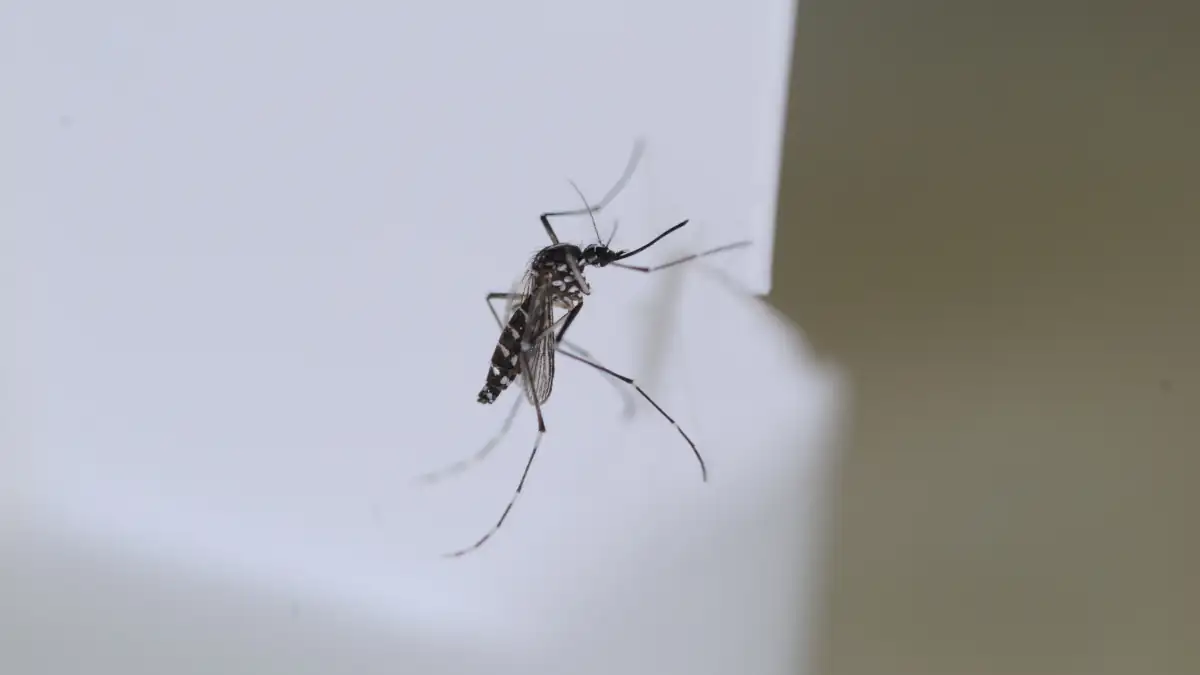
Chikungunya, transmitted by the established Tiger mosquito population, causes a range of symptoms including high fever, debilitating joint pain, headaches, rashes, and fatigue. While fatalities are rare, the illness can be severe for vulnerable populations like the elderly and those with pre-existing health conditions. The prolonged joint pain, lasting weeks or even months, significantly impacts quality of life.
Health authorities emphasize the crucial role of the Tiger mosquito, now permanently settled in numerous French regions, in driving these cases. Preventative measures are vital to curb the spread, including eliminating standing water around homes - a breeding ground for mosquitoes - and consistently using insect repellent.
This summer’s experience underscores a critical shift: mosquito-borne diseases are no longer limited to tropical regions. France faces a sustained health challenge requiring ongoing individual vigilance, robust collective surveillance, and proactive prevention strategies to protect public health.
