
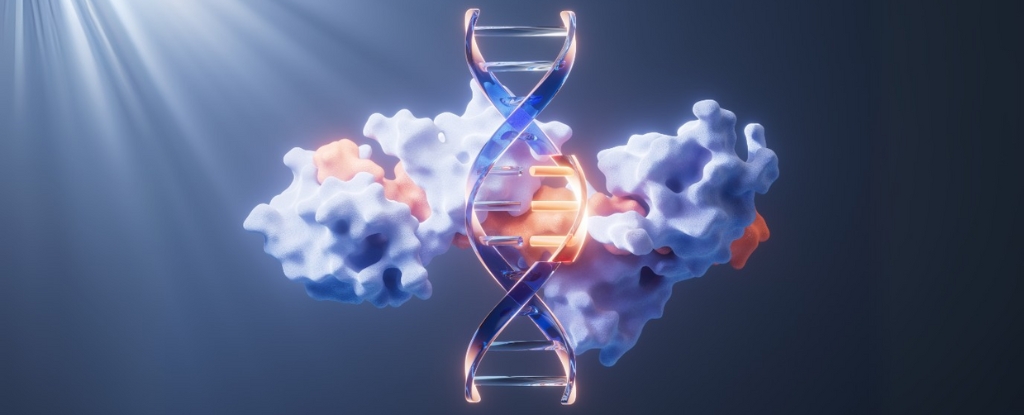
Chemists Demonstrate a Key Step in Early Protein Synthesis
Researchers at University College London have demonstrated a plausible pathway for the initial connection between RNA and amino acids, a critical step in understanding the origins of life. The study, published in Nature in May 2025, provides evidence supporting how protein synthesis – the creation of proteins from amino acids directed by RNA – could have begun on early Earth.
Life fundamentally relies on proteins, but nucleic acids like RNA provide the template for their production. A key challenge in understanding life’s origins has been explaining how these two components could have combined in the harsh, watery environment of early Earth. Previous attempts to replicate this process have struggled because high-energy mediators needed to facilitate the reaction often break down in water, causing amino acids to react with each other instead of with RNA.
Led by chemist Jyoti Singh, the research team turned to biology for inspiration.they utilized a thioester – a compound containing carbon, oxygen, hydrogen, and sulfur (four of the six elements considered vital to life) – as a mediator. Thioesters are known to play an intermediary role in some biological processes and are theorized to have been abundant in the “primordial organic soup.” The “thioester world hypothesis” even suggests their proliferation preceded the “RNA world,” where self-replicating RNA is believed to have been fundamental.
In a simulated early Earth environment, the researchers found that thioester successfully provided the necessary energy for amino acids to bind to RNA. This finding bridges the RNA world and thioester world hypotheses.
“Our study unites two prominent origin of life theories – the ‘RNA world’, where self-replicating RNA is proposed to be fundamental, and the ‘thioester world’, in which thioesters are seen as the energy source for the earliest forms of life,” explained Professor john Powner.
While this research represents a significant advancement, scientists emphasize that a complete understanding of life’s origins remains distant. The next step involves determining if RNA will preferentially bind to the specific amino acids necessary for the development of the genetic code.
“Imagine the day that chemists might take simple, small molecules, consisting of carbon, nitrogen, hydrogen, oxygen, and sulphur atoms, and from these Lego pieces form molecules capable of self-replication,” Singh stated. “This would be a monumental step towards solving the question of life’s origin. Our study brings us closer to that goal by demonstrating how two primordial chemical lego pieces (activated amino acids and RNA) could have built peptides, short chains of amino acids that are essential to life.”
