
Blood Test Offers Potential too Reduce Unnecessary Induced Births in High-Risk Pregnancies
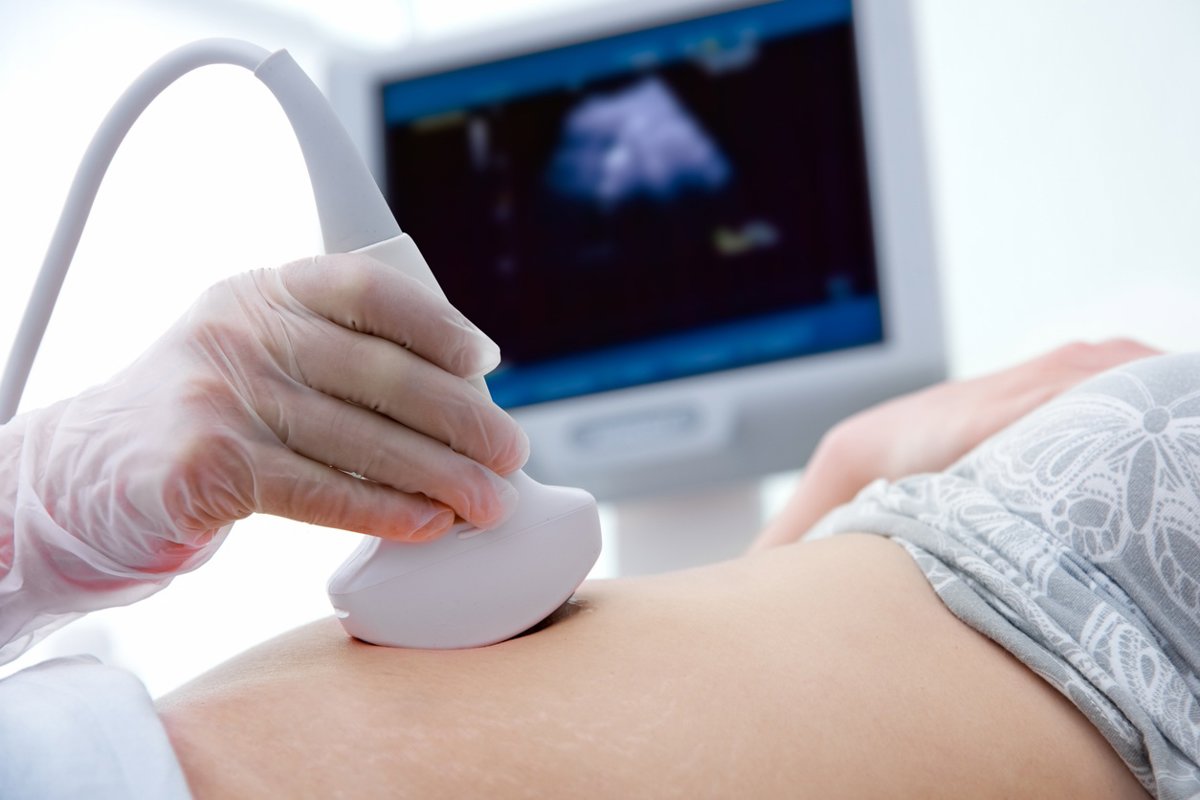
Madrid, Spain – September 12th – A new blood test analyzing placental biomarkers could offer a viable alternative to Doppler ultrasound for monitoring pregnancies with small fetuses, potentially reducing the number of unnecessary induced births and improving outcomes for both mothers and newborns. Results from the large-scale Grafd clinical trial, published in Nature Medicine, suggest the test provides comparable safety to Doppler ultrasound while offering a more nuanced approach to late-pregnancy decision-making.
The test focuses on the ratio of two biomarkers, soluble fms-like tyrosine kinase-1 (sFLT-1) and placental growth factor (PLGF). This ratio helps clinicians determine whether to proceed with delivery or continue gestation to 39 or 40 weeks.researchers found the analysis effectively identifies pregnancies genuinely at risk of complications versus those with simply smaller, but healthy, fetuses.
“Doppler ultrasound has been a cornerstone of fetal monitoring, particularly in high-risk pregnancies, but it isn’t perfect. Many women are induced unnecessarily,” explains Mar Gil, a researcher at the Francisco de Vitoria University and specialist at the University Hospital of Torrejón. “This blood test allows for more precise and cautious assessment.”
The study, involving 1,088 pregnant women across 20 Spanish hospitals, demonstrated that utilizing the biomarker analysis led to a reduction in unnecessary inductions. Moreover, researchers observed a decrease in maternal complications like preeclampsia and postpartum hemorrhage, as well as improved neonatal outcomes including higher birth weights and fewer admissions to intensive care units.
“The biomarker analysis provides a more physiological understanding of the placental and fetal condition,” states Dr. manel Mendoza, an obstetrician at vall d’Hebron hospital and the test coordinator. “In this stage of pregnancy,biomarkers allow us to make safer,more informed,and less invasive decisions.”
Dr. Marta Lázaro-Rodríguez, an obstetrician at the University Hospital Germans Trias I Pujol and a leading researcher in this field, emphasizes the benefits for both mother and child. “This means many women can complete their pregnancies without early intervention, improving neonatal well-being and the overall childbirth experience. It’s about intervening only when truly necessary.”
Importantly, the test is accessible to a wider range of healthcare facilities. It can be performed in any basic clinical laboratory, offering a “feasible solution” for centers lacking advanced technology or specialized personnel. The findings suggest this approach represents a shift towards more personalized medicine, tailoring care to the specific needs of each pregnancy.
