
The Double-Edged sword of AI: Addressing Shortages and Inequality in Healthcare and Education
The rise of artificial Intelligence (AI) is sparking optimism about addressing critical personnel shortages in vital sectors like healthcare and education. Projections, such as the AAMC’s forecast of a doctor deficit between 13,500 and 86,000 in the United States by 2036, fuel the belief that AI tools can fill gaps where specialists are currently lacking. The hope is that AI will alleviate pressure on overworked professionals and potentially redistribute working time, even paving the way for shorter work weeks or earlier retirements.
However, this potential is tempered by meaningful concerns. Experts warn that the benefits of AI adoption could easily concentrate within large, highly-skilled organizations, ultimately exacerbating economic inequality rather than mitigating it. This creates a central tension: will AI democratize access to essential services, or will it deepen existing disparities?
Two key challenges emerge. First, access to the best AI tools is not guaranteed to be equitable. If only large institutions can afford and implement these technologies, the educational, health, and labor gaps will likely widen. Second, labor displacement is a real possibility. While some roles will evolve, others may become obsolete, requiring rapid reskilling that isn’t accessible to everyone.
Ultimately,the promise of a more balanced work-life dynamic hinges not on the technology itself,but on how its implementation is managed and distributed. Data highlighting workforce shortages alongside these warnings underscore this point.
Further complicating the picture are concerns surrounding AI bias and reliability. International studies reveal public anxiety about potentially biased decision-making based on factors like race,gender,or socioeconomic status. The risk of misinformation and inaccurate diagnoses also looms large if AI models aren’t developed and rigorously supervised with robust clinical and educational standards. AI has the potential to expand coverage, but its quality and safety are entirely dependent on careful training, validation, and regulation.
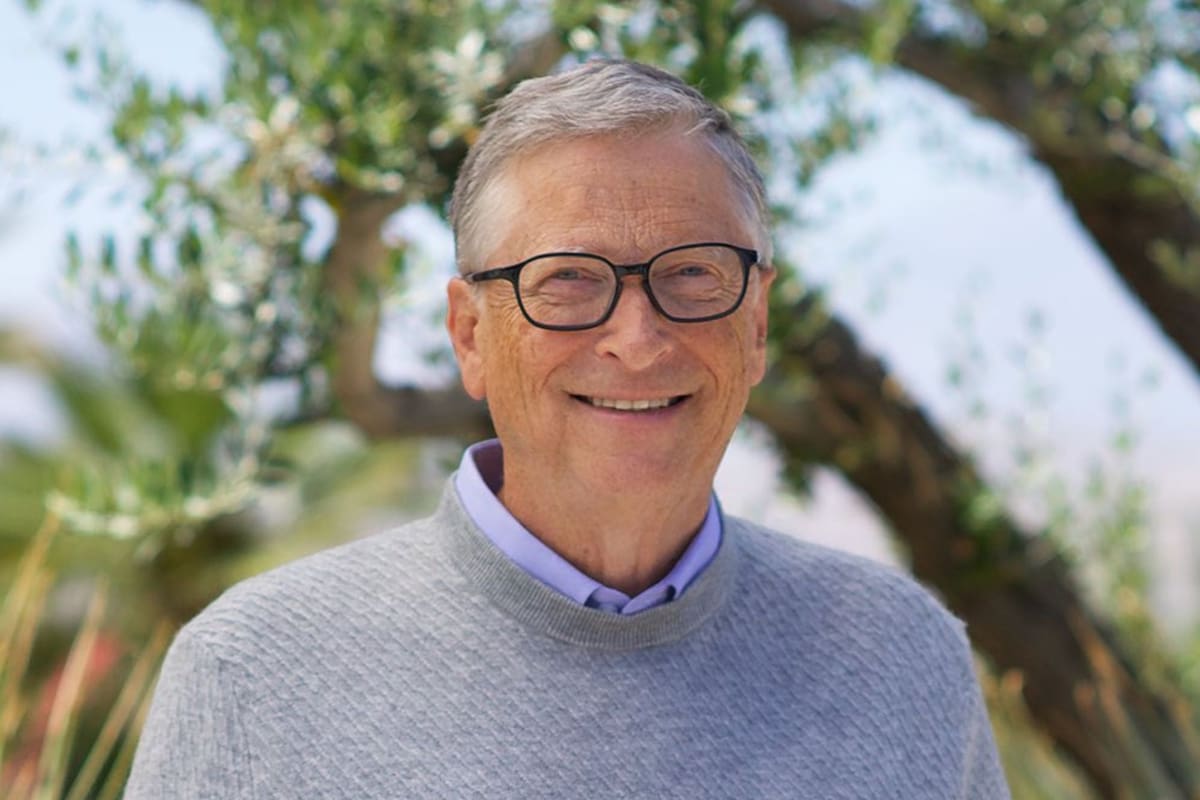
Bill Gates acknowledges these risks,characterizing them as “real but manageable.” He points to past precedent,arguing that societies have demonstrated the capacity to create institutional responses when faced with technological disruption,provided there is sufficient political and regulatory will.
Achieving a shorter work week – a frequently cited benefit of increased AI productivity – will require more than just technological advancement. it demands contractual changes, salary adjustments, and, crucially, guarantees that productivity gains translate into genuine free time for workers, rather than increased pressure to do more.
Moreover,in critical fields like healthcare,the human element remains indispensable. AI can serve as a powerful complement to diagnosis and training, but medical specialists and educators will continue to fulfill essential roles requiring expertise, ethical judgment, and human oversight.
AI presents a powerful prospect to address pressing challenges in healthcare and education. Though, realizing its potential for positive change requires proactive and equitable implementation, careful attention to bias and reliability, and a commitment to ensuring that the benefits are widely shared, rather than concentrated in the hands of a few.
