
Turbulence in the North Sea: Wind Turbine Dispute Brews Between Belgium and the Netherlands
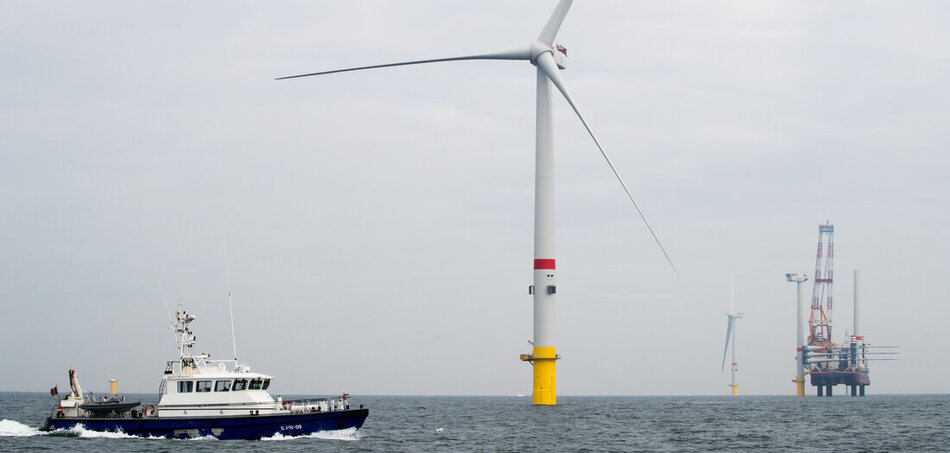
A cross-border squabble is brewing in the North Sea, not over chocolates, but over wind turbines. Belgium and the netherlands are locked in a dispute as Belgian wind turbines are allegedly impacting the efficiency of Dutch wind farms. The core issue: Belgian turbines are altering airflow, leading to reduced energy generation for their Dutch counterparts.
Did You Know?
Offshore wind farms are becoming increasingly common as countries seek to expand renewable energy sources.The north Sea is a prime location due to its consistent winds and relatively shallow waters.
The crux of the matter lies in the physics of wind energy. When wind, particularly from the west, powers a Belgian wind turbine, the kinetic energy is converted into electricity.This process inevitably reduces the wind’s speed. The now-weakened wind then reaches the Dutch rotor blades, leaving them with less energy than anticipated.
The impact is quantifiable. Dutch wind farms are experiencing a whopping three percent loss of energy
due to the proximity of the Belgian turbines. This seemingly small percentage translates to a important amount of lost electricity generation over time.
The “Wake Effect” and Its Implications
Compounding the issue is the “wake effect.” This phenomenon further slows the airflow through swirling, creating additional turbulence that impacts downstream wind turbines. The combined effect of reduced wind speed and the wake effect raises concerns about the overall efficiency of wind energy production in the region.
Pro Tip: Optimizing Wind Farm Placement
Wind farm developers often use sophisticated modeling techniques to minimize the wake effect. This includes carefully spacing turbines and considering prevailing wind directions.
The situation prompts a critical question: Will this dispute escalate? While a literal “Wind war” seems unlikely, the economic implications are significant. the efficient generation of renewable energy is crucial for meeting climate goals, and any reduction in output can have far-reaching consequences.
Prevailing Winds and Their Importance
understanding wind patterns is essential for optimizing wind energy production. According to available data, the prevailing wind direction in the region is from the west, accounting for 21 percent of the time, followed by southwest at 16 percent. Easterly winds are the least common, occurring only about 10 percent of the time.
Reader Question:
How can countries cooperate to maximize wind energy production in shared maritime spaces?
