
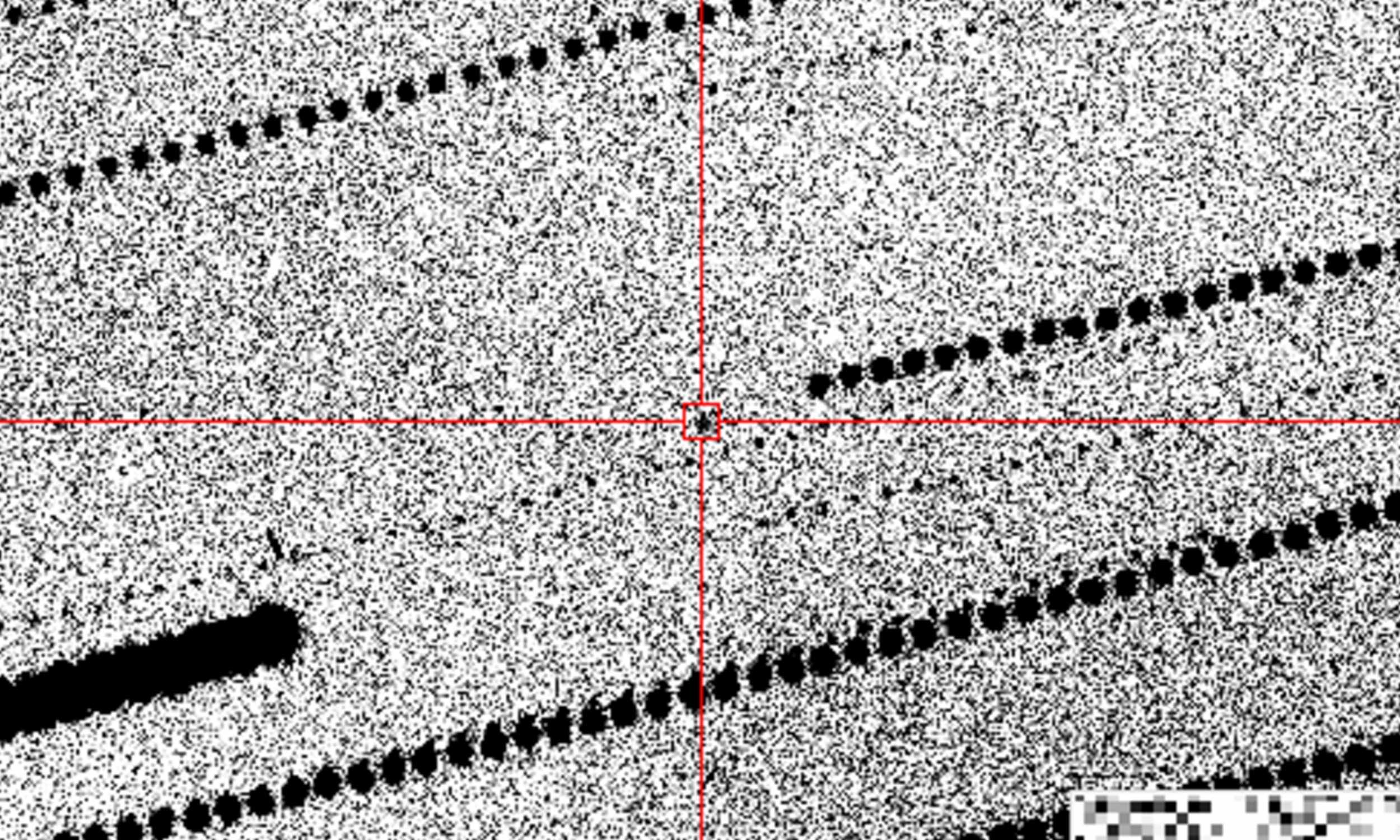
Car-Sized Asteroid Makes Extremely Close Approach to Earth
Antarctica – A car-sized asteroid, designated 2025 TF, made an exceptionally close approach to Earth on January 23, 2025, passing within just 1,800 miles (2,900 kilometers) of Antarctica. The near-miss, while not posing a threat, serves as a crucial reminder of the constant stream of near-Earth objects and the importance of ongoing monitoring efforts.
The asteroid was initially discovered by the ATLAS survey in Hawaii and the Southern Hemisphere. Data was then sent to the Minor Planet Center for verification and posted to the Near Earth Object Confirmation Page. NASA’s Center for Near Earth Object Studies (CNEOS) subsequently calculated a precise orbit, confirming the close approach.ESA’s Near Earth Object Coordination Center (NEOCC) also maintains a list of close approaches and a risk list updated daily.
“A pass this close with no warning is a reminder that small objects are numerous and hard to see,” according to Earth.com.
Despite the lack of prior warning, follow-up observations quickly and accurately tracked the asteroid’s path. This event is considered a success story for the global network of asteroid hunters.
Surveys like the Catalina Sky Survey in Arizona, ATLAS, and Pan-STARRS on Haleakalā continuously scan the night sky, searching for moving objects against the backdrop of stars. These observations are vital for refining alert systems, orbit calculations, and improving estimates of meteor and meteorite fall rates.
NASA,through scientist Davide Farnocchia,assures the public that no known asteroids currently pose a threat to Earth for at least the next century. Tho, events like the 2025 TF flyby highlight the need for continued investment in improved detection capabilities, aiming for earlier warnings and the ability to identify even smaller objects. The collaborative effort between amateur observers and large facilities proved effective in this instance, demonstrating the strength of the current system.
