
Arctic Mercury Levels: Legacy Pollution Threatens Wildlife After 300 Years
Table of Contents
- Arctic Mercury Levels: Legacy Pollution Threatens Wildlife After 300 Years
- The Lingering Threat of Legacy Mercury
- Regional Variations and Ocean Currents
- Impact on Wildlife and Indigenous Communities
- Analyzing Mercury Isotopes
- Long-Term Implications
- key Findings at a Glance
- Evergreen Insights: Understanding Arctic Mercury Pollution
- Frequently Asked Questions About Arctic Mercury Pollution
Despite significant global reductions in mercury emissions as the 1970s, alarmingly high concentrations persist in Arctic predators such as polar bears and toothed whales. A recent study published in Nature Communications by researchers from the university of Orhus and Copenhagen reveals that this is due to “legacy mercury”-mercury that has been circulating in ocean waters for up to 300 years and continues to contaminate the Arctic ecosystem.
The Lingering Threat of Legacy Mercury
Mercury, a potent neurotoxin, is released into the atmosphere primarily through coal combustion and gold mining. While international regulations have curbed emissions, the long lifespan of mercury in water means that past pollution continues to pose a threat. According to the World Health Organization (WHO), mercury can cause developmental problems in children and cardiovascular issues in adults [1].
The Danish research team analyzed animal and environmental samples collected over four decades from across the Arctic Circle. Their findings indicate that specific ocean currents and regional mercury isotope signatures play a crucial role in distributing this legacy mercury.
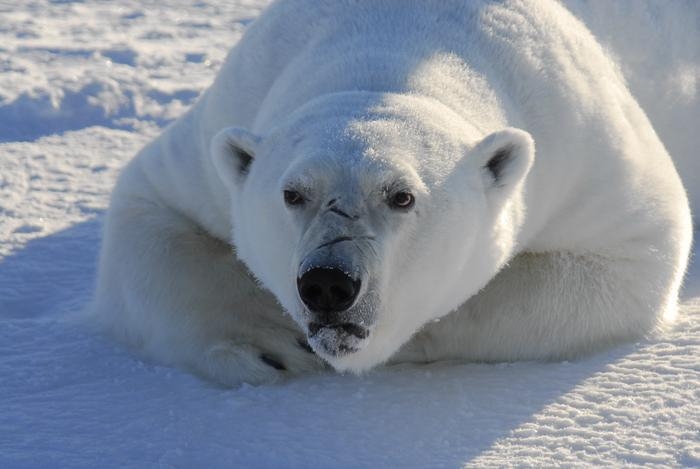
Polar bears,apex predators in the Arctic,are especially vulnerable to mercury accumulation. Image: Rune Dietz
Regional Variations and Ocean Currents
The study highlights the influence of ocean currents on mercury distribution. The Irminger Current, for example, carries seawater to Greenland’s Midwest, while other regions are primarily affected by the Arctic Sea current.These currents act as conduits, transporting mercury from distant emission sources to the Arctic.
Researchers estimate that it can take up to 150 years for mercury to travel from major emission sources, such as China, to Greenland via these currents. Given mercury’s persistence in water, pollution from decades ago continues to impact the Arctic today.
Did You Know? Mercury released into the atmosphere can remain airborne for about a year, but once it enters the water, it can persist for over 300 years.
Impact on Wildlife and Indigenous Communities
Mercury concentrations in Arctic predators remain 20 to 30 times higher than pre-industrial levels. This poses a significant health threat not only to wildlife but also to indigenous communities that rely on marine mammals as a primary food source. According to a 2023 report by the Arctic Council, mercury exposure can lead to neurological and developmental issues in these communities [2].
Professor Rune Dietz from Orhus University, who has been monitoring mercury levels in Arctic animals for over 40 years, emphasizes the urgency of addressing this ongoing pollution.
Analyzing Mercury Isotopes
The research team analyzed over 700 animal and environmental samples, including polar bears, seals, fish, and peat, collected from Greenland over the past four decades. By measuring six mercury isotopes, they were able to trace the sources and pathways of the mercury.
The analysis revealed distinct differences in mercury isotope signatures depending on the region and current patterns, providing valuable insights into the complex dynamics of mercury pollution in the Arctic.
Pro Tip: Understanding mercury isotope signatures is crucial for identifying pollution sources and developing effective mitigation strategies.
Long-Term Implications
The study’s findings suggest that mercury pollution will continue to affect the Arctic ecosystem for at least another century. The long-term consequences for wildlife and human populations remain a significant concern.
What actions can be taken to mitigate the effects of legacy mercury in the arctic? How can international cooperation help to address this persistent environmental challenge?
key Findings at a Glance
| Aspect | Details |
|---|---|
| mercury Source | Legacy mercury stored in ocean waters |
| Persistence | Up to 300 years in water |
| Affected Species | Polar bears, toothed whales, seals, fish |
| Health Impact | Neurological and developmental issues |
| Affected Regions | Greenland, Arctic Circle |
Evergreen Insights: Understanding Arctic Mercury Pollution
Mercury pollution in the Arctic is a complex issue with deep historical roots. Industrial activities,particularly coal combustion and gold mining,have released significant amounts of mercury into the atmosphere over the past centuries. this mercury has been transported to the Arctic through atmospheric deposition and ocean currents, where it accumulates in the food web.
The Arctic’s unique environmental conditions, including its cold temperatures and slow decomposition rates, contribute to the persistence of mercury in the ecosystem. As a result, even though global mercury emissions have decreased in recent decades, the Arctic continues to grapple with the legacy of past pollution.
Monitoring mercury levels in Arctic wildlife and human populations is crucial for assessing the effectiveness of mitigation strategies and protecting public health.Continued research is needed to understand the long-term impacts of mercury pollution and develop sustainable solutions.
Frequently Asked Questions About Arctic Mercury Pollution
- Why is mercury pollution a concern in the Arctic?
- Mercury accumulates in Arctic predators like polar bears and whales, posing health risks to both wildlife and indigenous communities that rely on these animals for food.
- How long can mercury persist in arctic waters?
- Once mercury enters the water, it can persist for over 300 years, continuously impacting the Arctic ecosystem.
- What are the primary sources of mercury in the Arctic?
- Historically, coal combustion and gold mining have been major sources of mercury emissions that eventually reach the Arctic through atmospheric deposition and ocean currents.
- What impact does Arctic mercury have on indigenous communities?
- High levels of mercury in marine mammals, a staple food source for many indigenous communities, pose a significant health threat due to mercury’s neurotoxic effects.
- What steps are being taken to address mercury pollution in the Arctic?
- International regulations and monitoring programs aim to reduce mercury emissions globally. Further research is needed to understand the long-term impacts of legacy mercury in the Arctic.
Disclaimer: This article provides general information about mercury pollution in the Arctic and should not be considered as professional environmental or health advice. Consult with qualified experts for specific guidance.
Share this article to raise awareness about the ongoing threat of mercury pollution in the Arctic. Leave a comment below with your thoughts and questions!
