
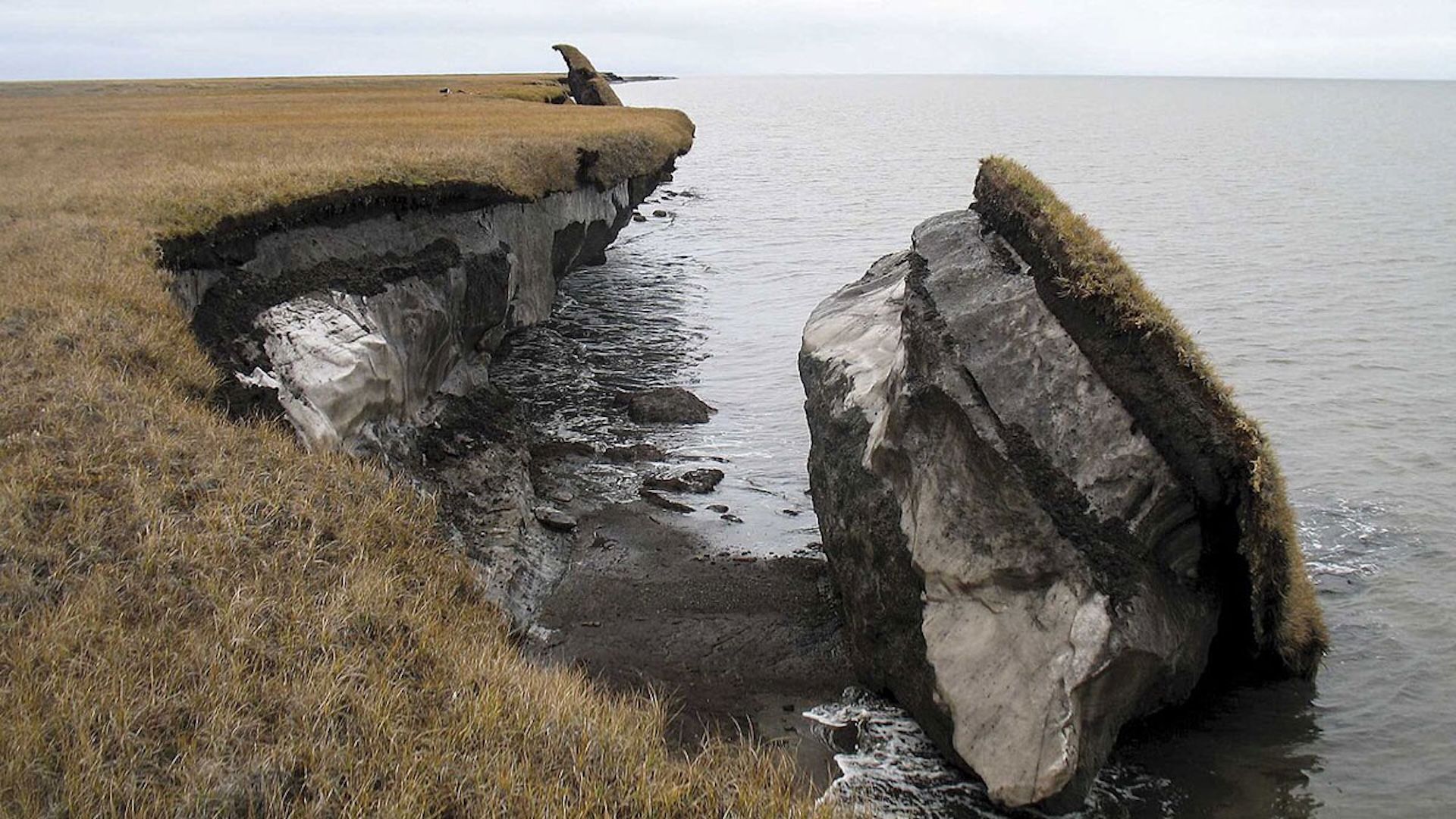
Arctic ‘Methane bomb’ Fears May Be Overstated, New Research Indicates
FAIRBANKS, AK – Concerns about a massive release of methane from thawing Arctic permafrost, often referred to as a “methane bomb,” may be largely overstated, according to a new study published in Nature Climate Change. Researchers have discovered that methane-consuming microbes in Arctic soils are proving surprisingly resilient and may be offsetting a notable portion of the methane released as permafrost thaws.
The study, led by researchers at the Max Planck Institute for Marine Microbiology, challenges previous assumptions about the Arctic’s role in accelerating climate change. While thawing permafrost dose release methane – a potent greenhouse gas – the research indicates that certain microbial communities are actively consuming that methane, possibly mitigating the scale of the anticipated release. This finding offers a more nuanced understanding of the complex processes occurring in the rapidly changing Arctic environment.
The research team analyzed soil samples from various Arctic locations and found that microbes capable of oxidizing methane were widespread and active, even in newly thawed permafrost. These microbes essentially “eat” methane, converting it into carbon dioxide, a less potent greenhouse gas. “We found that the capacity of these microbes to consume methane was surprisingly high, even in areas where permafrost thaw is accelerating,” explained lead author Moritz Urich.
Though, scientists caution that the long-term impact of these microbes remains uncertain. A key unknown is how these microbial communities will respond to continued warming and changes in soil conditions,such as oxygen levels and moisture content.
Christian Knoblauch, a biogeochemist at the University of Hamburg who was not involved in the research, noted the study’s importance in tempering previous alarmist predictions. “We had so many papers about this methane bomb,” he said. “I think this was an oversimplification or an overestimation of methane release.”
Despite the promising findings, researchers emphasize the critical need for more data. “We have a lot of models, and there are a lot of simulations, but we do not have so much data on the ground,” Knoblauch added. “The big questions are really how fast is the material decomposed, how much will thaw and in [what] time it is decomposed and than released, and how the system will be affected by changing vegetation.”
Urich also highlighted the need for further research into the ecophysiology of these methane-associated microbes, stating that understanding how their metabolism changes in response to environmental factors is crucial. The study underscores the complexity of the Arctic climate system and the importance of continued monitoring and research to accurately predict future climate scenarios.
This article was originally published on Eos.org. Read the original article here.
