
Body Art Reclaims Identity: Arab Women Redefine Tattoos
From Ancient Roots to Modern Self-Expression
Tattoos are experiencing a resurgence among Arab women, evolving from deeply ingrained cultural markers to potent symbols of personal liberation, healing, and identity. This ancient practice, once interwoven with tribal belonging and spiritual protection, is now embraced as an individual statement of resilience and self-discovery.
Echoes of Heritage
The tradition of tattooing in Arab cultures, particularly among Berber and Bedouin communities, possesses profound historical significance. For many, intricate markings served as more than mere adornment; they were a visual language communicating social standing, beliefs, and even acts of warding off malevolent forces.
A Berber woman from the Atlas Mountains, identified as **Fatima**, shared her lifelong connection to a chin tattoo gifted by her grandmother. She described it as a protective charm and an embellishment akin to earrings, a sentiment that highlights the deeply personal and spiritual dimensions of these markings.
Researcher **Khadija Zaini** noted in the Journal of North Africa Studies that these tattoos functioned within a complex symbolic system. “The signs and symbols used in tattoos were a tool for memorizing memory, expressing beliefs, and defending the body from the forces of evil.”
she explained, underscoring their role in preserving cultural memory and asserting female agency.
Historically, Bedouin women in Sinai adorned their lips, cheeks, and hands with tattoos. These practices, documented by 19th-century travelers like **George Steindorf**, blended aesthetics with ritualistic significance, serving as both decoration and symbolic markers.
However, religious interpretations condemning tattoos, derived from hadith that curse those who alter their bodies, contributed to a decline in these traditions. Urbanization and the rise of conservative religious discourse further marginalized the practice over time.
Modern Expressions of Freedom and Healing
Today, tattoos are re-emerging as personal declarations, chosen by women to signify their autonomy, commemorate memories, or process past traumas. A young graduate named **Rana** exemplified this shift by getting the word “Freedom” tattooed on her wrist after moving to Cairo, a poignant symbol of her independent journey.
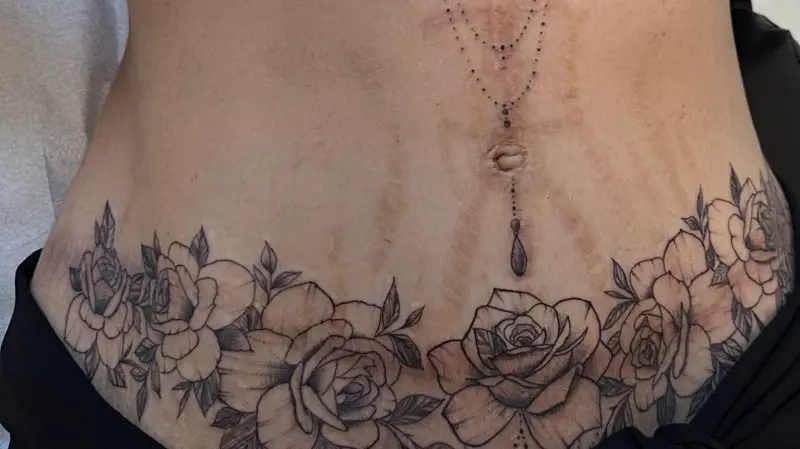
Tattoo artists like **Alia Fadaly** in Egypt view their work as a form of therapy. “People need to understand that tattoos are not just a drawing on the body…but it is an energy that encourages and mediates,”
she stated. Many women seek tattoos to cover surgical scars or the aftermath of accidents, turning visible marks of pain into art.
Alia recounted a story of a woman who had hidden her arm, marked by fire injuries, but found newfound confidence after a tattoo allowed her to reveal it without shame. Similarly, **Dina Mado** highlighted the healing aspect for cancer survivors, whose bodies altered by surgery or disease are transformed through the art of tattooing.
The phrase “I am the heroine of my life,”
tattooed on **Afaf**’s body, encapsulates this empowered mindset. She explained the profound personal validation derived from such self-affirmation, “I feel that I am this heroine, I saved myself. I reconciled with myself and saved her, and fulfilled her dreams.”
Symbols of Strength and Renewal
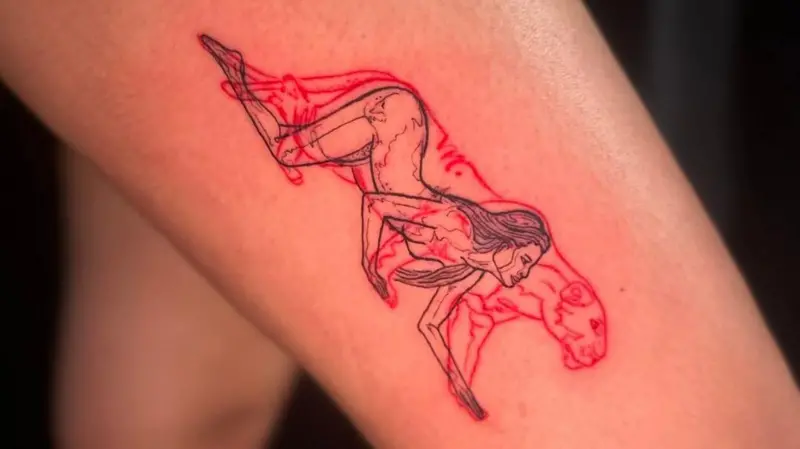
Designs often carry powerful symbolism. **Nancy wheat**, a Lebanese tattoo artist, shared her interpretation of a lotus flower tattoo, suggesting it signifies renewal and rebirth. Another piece by **Alia Fadaly** depicts a woman transforming into a lioness, a potent symbol of strength and protection.
Tattoo artists like **Nancy** faced initial skepticism, particularly as women in a field often perceived as masculine. “People think that the man just because he is a man will be more accurate when working in implementing a tattoo that remains on the body throughout life,”
she observed. Despite these challenges, she now tattoos both men and women.
The Private and the Public Declaration
The visibility of tattoos varies. **Nancy** noted that veiled women often seek discreet artists to maintain privacy from their families. Conversely, **Alia** observes a growing trend where women proudly display their tattoos, embracing them as open statements of self.
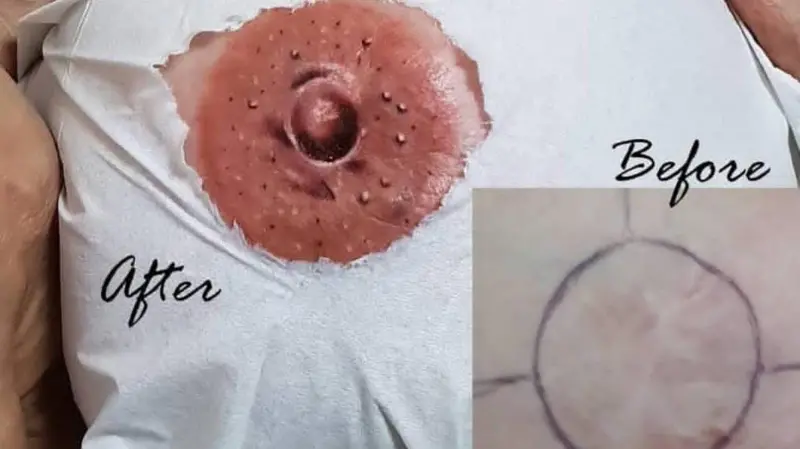
Artist **Alia** views her own tattoos as personal affirmations. “The tattoo is a gift from me for myself…Every tattoo on my body strengthens me and reminds me of a message from me for myself,”
she shared. She believes tattoos convey unspoken energy, empowering individuals to rise above adversity and communicate their inner messages visually.
Ultimately, tattoos offer Arab women a means to cultivate a new relationship with their bodies. They provide a way to reconcile with pain and scars, affirming their presence and their right to choose. While societal apprehension persists, the voices advocating for tattoos as acts of individual, aesthetic, and therapeutic significance are growing louder and more influential.
