
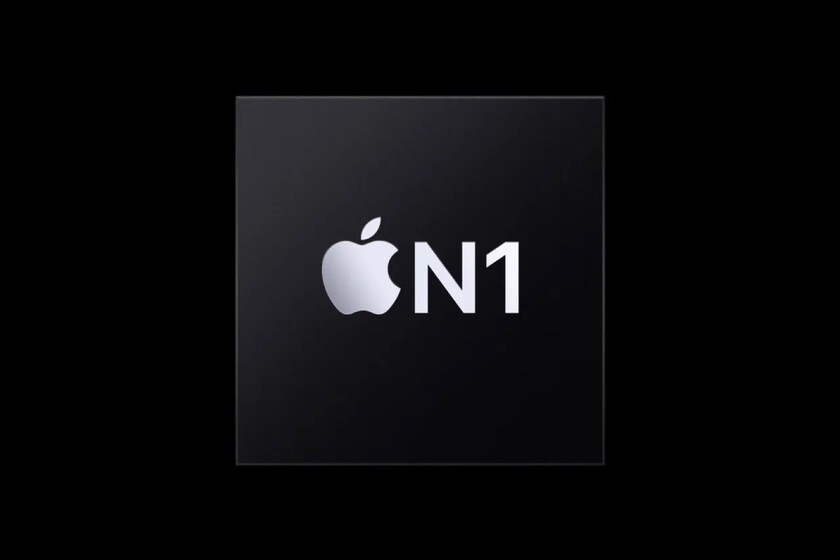
Apple Accelerates hardware Independence with New N1 Chip, Threatening key Suppliers
Cupertino, CA – Apple is deepening its push for complete hardware control with the introduction of the N1 chip, debuting in the iPhone 16e and poised to replace components sourced from Broadcom and other wireless manufacturers. This move follows the recent integration of the C1 modem, displacing Qualcomm, and signals a long-term strategy to internalize critical technology and eliminate reliance on external suppliers.
The shift represents a fundamental change in Apple’s supply chain dynamics. By designing and manufacturing its own chips, Apple gains unprecedented optimization capabilities, improved profit margins, and freedom from royalty payments. The N1 chip specifically enhances features like AirDrop and mobile hotspot functionality-improvements Apple claims are difficult to achieve with off-the-shelf solutions. For companies like Broadcom, long a dominant player in the wireless component market, Apple’s increasing self-sufficiency represents a important loss of a major customer and a warning for the industry: Apple prioritizes internal development and is unlikely to revert to external sourcing once a technology is mastered.
Apple’s strategy isn’t new, but the pace is accelerating. The company has demonstrated a pattern of rolling out internally developed technologies across its entire product line once proven, suggesting the N1 chip will eventually appear in all iPhone models. This pursuit of absolute hardware control is central to Apple’s competitive advantage, allowing for tighter integration between software and hardware and a uniquely tailored user experience.
